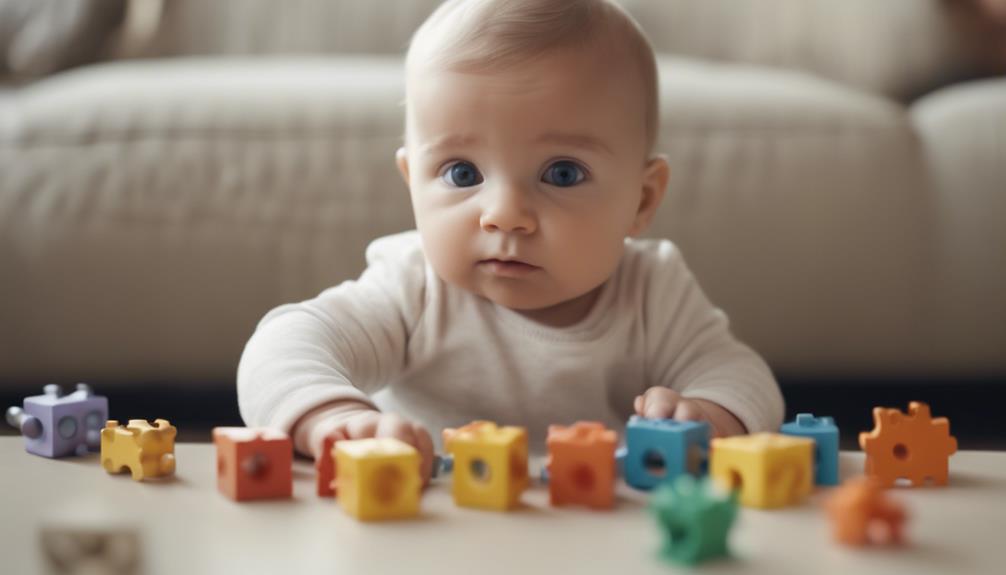

If your child isn’t babbling by 12 months or hasn’t spoken any words by 18 months, it’s a sign to watch closely. Also, pay attention if they don’t respond to their name, avoid eye contact, or struggle to imitate sounds and follow simple instructions. Early signs like these can indicate a speech delay. Acting promptly can make a big difference, so keep an eye on these cues as you explore more about what’s normal and when to seek help.

Turn the school run and nap time into listening time
- Thousands of audiobooks, podcasts and originals
- Listen on your phone, tablet or Echo — also offline
- Cancel anytime
Key Takeaways
- If your child isn’t babbling by 12 months or speaking any words by 18 months, it’s time to seek guidance.
- Lack of response to their name or avoidance of eye contact can indicate a speech delay.
- Struggling to imitate words or follow simple instructions are red flags requiring professional assessment.
- Regularly monitor your child’s speech milestones and consult a specialist if they are not met.
- Early intervention through pediatricians or speech therapists can significantly support your child’s communication development.

Understanding when speech delay becomes a concern can be challenging, but recognizing early signs is essential for your child’s development. If your child isn’t babbling by 12 months or isn’t saying any words by 18 months, it might be time to seek guidance. Early intervention can make a significant difference, so being proactive and observant is crucial. As a parent, your guidance plays a pivotal role in supporting your child’s communication skills. You’re the first to notice when your child isn’t meeting typical language milestones, and acting promptly can help address potential issues before they become more ingrained.
Early signs of speech delay include not babbling by 12 months or not speaking by 18 months.
The key to managing speech delay effectively is recognizing the early signs. For example, if your child is not responding to their name, seems to be avoiding eye contact, or isn’t making sounds like “mama” or “dada” by the age of one, these could be red flags. Also, if they seem to understand what you’re saying but struggle to imitate words or follow simple instructions, it might signal a delay worth discussing with a professional. Monitoring these signs allows you to gather valuable information to share with pediatricians or speech-language pathologists, who can evaluate whether your child needs targeted support. Don’t wait until the delay is obvious or starts affecting your child’s social interactions; early intervention is most effective when action is taken promptly.
As a parent, your guidance can encourage your child’s language development. Engage in regular conversations, even if your child isn’t talking yet. Use simple, clear language and describe what you’re doing, which helps build their understanding and vocabulary. Reading books together daily exposes them to new words and sounds, fostering early language skills. Limit screen time and focus on face-to-face interactions, as these promote better communication. Remember, children learn a lot through imitation, so praise their attempts to communicate, whether they’re babbling, pointing, or trying to say words. Your encouragement and patience provide a supportive environment that can stimulate speech development and help your child feel confident to try new sounds. Recognizing and understanding speech milestones can also help you track developmental progress and seek timely support if needed.
Ultimately, recognizing early signs of speech delay and seeking early intervention are fundamental steps in supporting your child’s growth. Your guidance and proactive approach can help them overcome challenges and develop effective communication skills. Trust your instincts, stay observant, and don’t hesitate to reach out for professional advice when needed. The sooner you act, the better your chances of helping your child catch up and thrive socially, emotionally, and academically. Remember, every child develops at their own pace, but early support can make a lasting difference in their language journey.
speech therapy toys for toddlers
As an affiliate, we earn on qualifying purchases.
As an affiliate, we earn on qualifying purchases.
Conclusion
If your child isn’t talking by age two or shows little interest in communicating, it’s time to seek advice. For instance, imagine a toddler who isn’t saying any words and rarely responds to their name; early intervention can make a big difference. Remember, every child develops at their own pace, but staying attentive helps you catch potential delays early. Trust your instincts and consult a specialist if you’re concerned—your prompt action can support their future communication skills.
Fall Picks
fall essentials
As an affiliate, we earn on qualifying purchases.