
TL;DR

Turn the school run and nap time into listening time
- Thousands of audiobooks, podcasts and originals
- Listen on your phone, tablet or Echo — also offline
- Cancel anytime
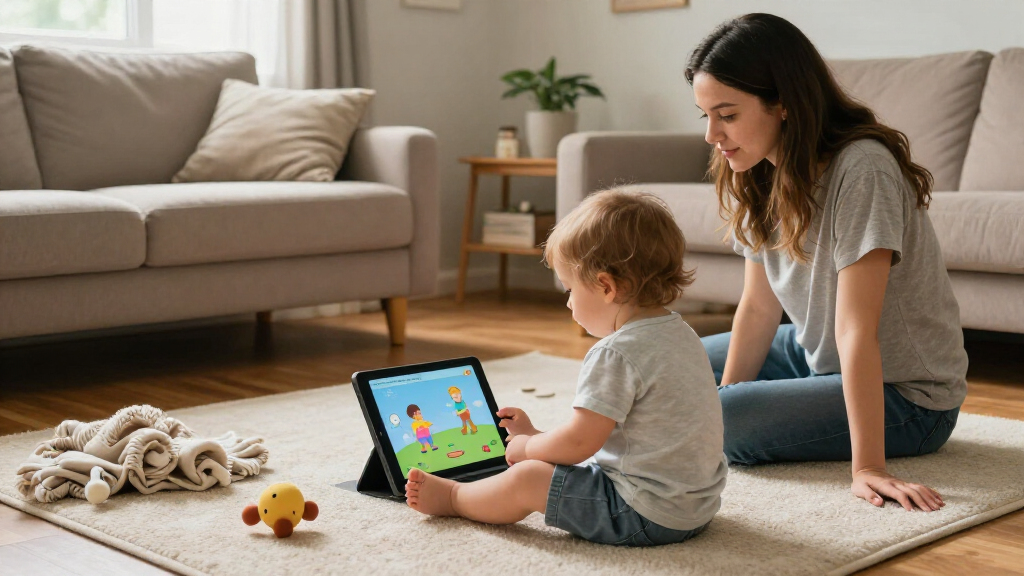
Amazon has introduced 8.7- and 11-inch Android tablets marketed for children, with the company describing them as suitable for ages 3 and up. A report by Oligarch Watch questions the marketing and cites research linking screen exposure and using devices to calm young children with developmental and behavioral concerns; those studies show associations, not proof that the tablets cause harm.
Amazon has released 8.7- and 11-inch Android tablets marketed for children as young as 3, presenting them as devices for learning and travel. The launch has drawn scrutiny from a report by Oligarch Watch, which questions whether the products encourage frequent, independent screen use and cites research associating children’s screen exposure with developmental and behavioral concerns.
Amazon describes the products as its Amazon Kids Tablets and calls them suitable as a child’s “first tablet.” Its marketing highlights a child-sized handle, protective case, “all-day battery,” and a screen with blue-light filtering. The company also promotes learning features, including content about colors, shapes and numbers, and pitches generative AI products as premium features, according to Oligarch Watch’s review of the sales material.
The report interprets the travel-focused advertising as encouraging parents to use the devices to keep children occupied. Amazon disputed that characterization. A spokesperson said the claim that battery life was promoted to help toddlers “remain seated” or stay “preoccupied” was inaccurate, while the report points to Amazon advertising that describes the battery as “Enough for the flight” and “Enough for a road trip.”
Amazon said its products are developed with input from research conducted by ConnectSafely, Boston Children’s Hospital’s Digital Wellness Lab, and the Family Online Safety Institute. The available material does not include a detailed account of how those groups contributed to this tablet’s design or which specific recommendations they provided.
How Daily Screen Use Is Framed
The debate is about more than a new device: it concerns how parents are encouraged to fit screens into young children’s routines. A portable tablet promoted for travel and independent use may be convenient, while frequent reliance on a screen to occupy or calm a child could displace time for sleep, play, physical activity and interaction, researchers cited in the report say.
The research described does not establish that Amazon’s tablets cause developmental problems. Much of it concerns screen exposure generally or mobile devices used to calm children, rather than these products specifically. Still, the findings give parents and pediatric professionals reason to ask how often a device is used, what activities it replaces, and whether marketing claims about learning are supported by evidence.
Amazon Kids tablet protective case for toddlers
As an affiliate, we earn on qualifying purchases.
As an affiliate, we earn on qualifying purchases.
Research Behind the Concerns
Oligarch Watch cites a JAMA Pediatrics meta-analysis that combined 23 meta-analyses representing more than 2.8 million children across age groups. It reported associations between screen exposure and lower overall academic achievement and language development, alongside higher levels of several behavioral, emotional and peer problems. An association does not establish that screen use caused those outcomes, and the analysis was not a test of Amazon’s new tablets.
The report also describes a 2022 study led by University of Michigan pediatrician Jenny Radesky. It followed observations of 422 children ages 3 to 5 and found that mobile-device use for calming was associated with decreased executive functioning and increased emotional reactivity. The researchers said frequent use for calming may displace opportunities to learn emotion-regulation strategies. The source also cites a 2025 study linking consistent handheld-device use with nearsightedness, but does not provide enough detail here to assess that study’s methods or findings.
Radesky told Oligarch Watch that a tablet used as a child’s “always-available buddy” could be a concern, particularly when it is used to manage behavior or keep a child quiet. She also raised questions about a carrying handle that could make the tablet easier to take everywhere, and about AI features that may do creative work for children.
“Kids want a real tablet, not a toy.”
— Amazon, in a product announcement quoted by Oligarch Watch
What the Evidence Cannot Establish
The cited research reports associations and does not show that these specific tablets cause developmental, emotional, eyesight or learning problems. The material provided also does not give the tablets’ exact release date, prices, sales figures, usage controls, or details about the age-specific content and parental settings available on each model.
Amazon’s statement names organizations whose research informs its product development, but the company’s response, as quoted, does not explain the scope of their involvement. It is also unclear how often families are expected to use the devices or whether Amazon has evidence that the advertised learning features improve children’s outcomes.
Questions for Parents and Amazon
Further information from Amazon about the tablets’ parental controls, age guidance, AI features and the research behind its learning claims could clarify how the products are intended to be used. The report does not identify a planned company announcement, regulatory review or follow-up study.
For now, the public evidence cited in the report offers broader findings about screen exposure rather than a direct assessment of this product. Parents weighing the tablets can compare Amazon’s claims with pediatric guidance and consider how device use fits alongside sleep, play and in-person interaction.
Key Questions
What tablets did Amazon release?
Amazon Kids Tablets are Android devices in 8.7- and 11-inch sizes, marketed for children as young as 3, according to the report.
Did Amazon say the tablets are meant to keep toddlers quiet?
No. Amazon’s spokesperson called that interpretation inaccurate. The report points to advertising that describes the battery as sufficient for a flight or road trip; the meaning of that messaging is disputed.
Does the research prove these tablets harm children?
No. The studies cited report associations involving screen exposure or device use for calming. They do not establish that Amazon’s tablets cause harm.
What concerns did researchers raise?
Jenny Radesky raised concerns about devices becoming an always-available way to calm or occupy children, as well as the portable handle and AI features that may do creative work for them.
What is not yet known about the products?
The source does not provide pricing, sales figures, detailed parental-control information, or a full explanation of the outside organizations’ role in product development.
Source: hn
Cold & flu season Picks
humidifiers
As an affiliate, we earn on qualifying purchases.