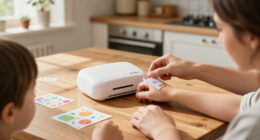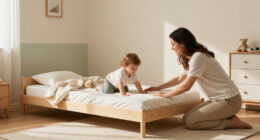
To prepare your child for preschool, focus on building their social skills by encouraging sharing, taking turns, and resolving conflicts. Establish consistent routines for meals, naps, and hygiene to create a sense of stability. Promote independence by practicing dressing, unpacking bags, and recognizing their needs. Mentally, read preschool-themed books and role-play situations like greeting teachers or making friends. Continuing with these strategies will help your child feel confident and ready for their new environment.

Turn the school run and nap time into listening time
- Thousands of audiobooks, podcasts and originals
- Listen on your phone, tablet or Echo — also offline
- Cancel anytime
Key Takeaways
- Practice daily routines like handwashing, dressing, and packing bags to build independence.
- Use role-playing to simulate preschool scenarios, such as greeting teachers and sharing toys.
- Read books about preschool to familiarize children with the environment and social expectations.
- Encourage social skills through playdates, sharing, taking turns, and conflict resolution.
- Establish consistent daily schedules to create a predictable environment that reduces anxiety.
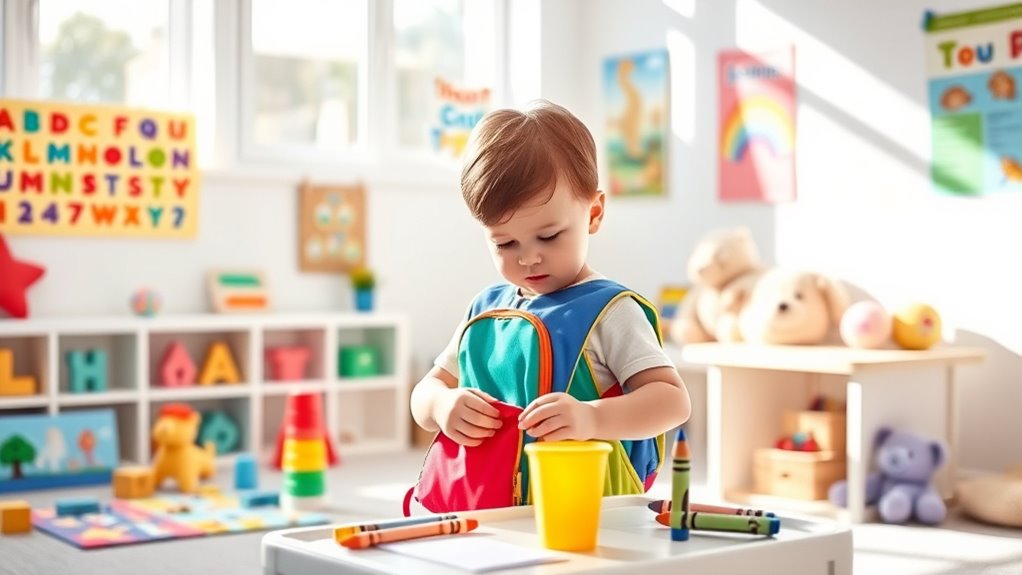
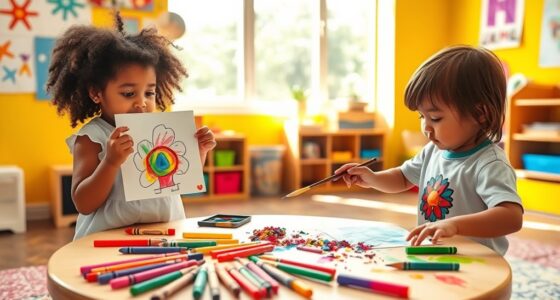
Are you wondering how to make the shift to preschool smooth for your child? Transitioning from home to a classroom setting can be a big step, but with some preparation, you can help your child feel confident and ready. One of the most important areas to focus on is developing social skills. Preschool is a social environment where children learn how to interact, share, take turns, and resolve conflicts. You can start fostering these skills at home by encouraging your child to play with peers, whether through playdates or group activities. Teach them simple manners like saying “please” and “thank you,” and model positive interactions yourself. When your child has opportunities to practice sharing toys or waiting for their turn, it builds their confidence in navigating social situations.
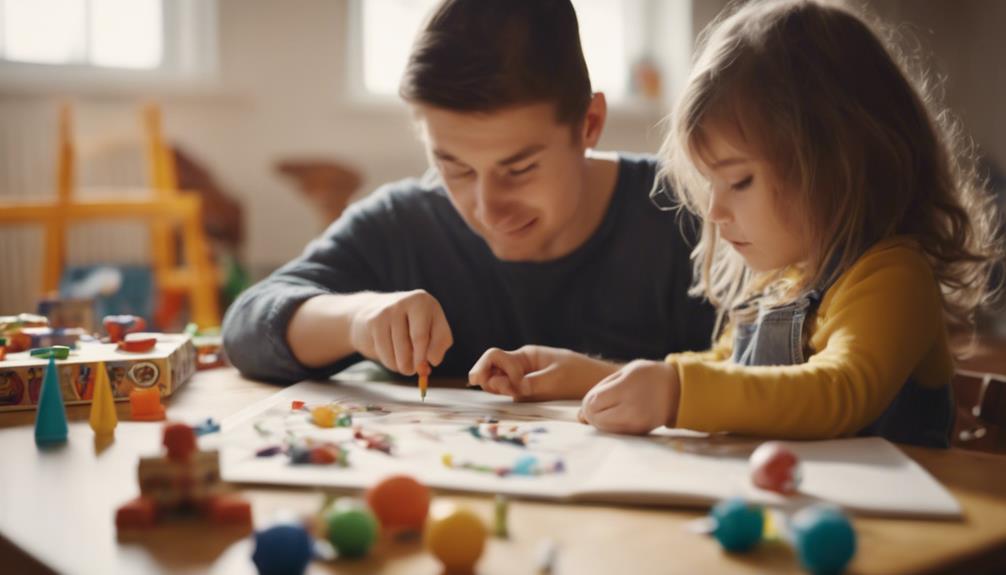
Alongside social skills, independence skills are equally essential. Preschoolers need to handle basic routines without constant help, which boosts their confidence and reduces separation anxiety. Practice routines like washing hands, putting on and taking off coats, and packing and unpacking their bag. Make these activities fun and predictable so your child knows what to expect and feels more in control. You can also teach them to recognize and communicate their needs, such as asking for help or expressing when they’re hungry or tired. Developing independence doesn’t mean leaving your child to do everything alone; rather, it’s about giving them opportunities to try tasks and praising their efforts.
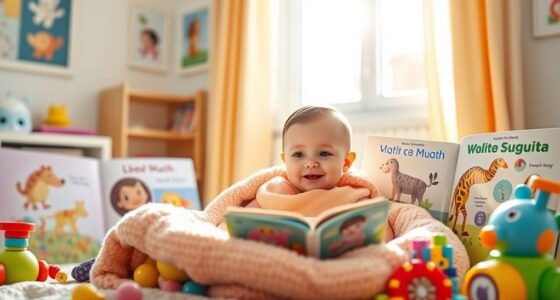
Creating a consistent daily routine at home can reinforce these skills. Set regular times for meals, naps, and play, so your child learns the rhythm of daily activities. When they understand what comes next, they’re less likely to become anxious or resistant when faced with new environments. Reading books about preschool and social situations can also prepare them mentally, helping them understand what to expect. Role-playing different scenarios, like greeting a new teacher or sharing toys, allows your child to practice responses in a safe setting.
As an affiliate, we earn on qualifying purchases.
Conclusion
As you pack your child’s backpack, imagine them stepping into a bright, welcoming classroom filled with colorful toys and friendly faces. Picture their enthusiastic smile as they wave goodbye, confident and ready to explore new friends and ideas. By practicing these skills now, you’re helping them build a solid foundation—like planting seeds in a garden that will grow into a joyful, curious preschooler. Soon, they’ll bloom into a world of exciting adventures.
Halloween Picks
halloween
As an affiliate, we earn on qualifying purchases.