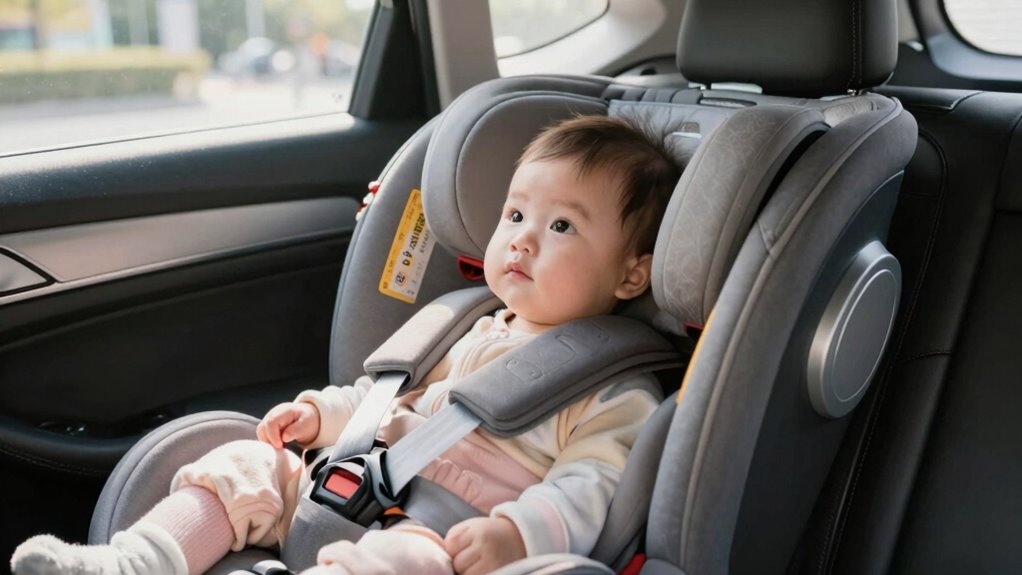

Extended rear-facing seats provide your child with much better crash protection than many parents realize. They reduce the risk of head, neck, and spinal injuries by evenly distributing crash forces and supporting their developing bodies. Experts now recommend keeping children rear-facing until they reach the seat’s maximum height or weight limit, which is often around age 3 or older. If you want to guarantee your child’s safety, staying informed about these benefits can make a big difference.

Turn the school run and nap time into listening time
- Thousands of audiobooks, podcasts and originals
- Listen on your phone, tablet or Echo — also offline
- Cancel anytime
Key Takeaways
- Extended rear-facing seats better distribute crash forces, significantly reducing head, neck, and spinal injuries in accidents.
- Scientific crash tests show extended rear-facing provides superior protection compared to early forward-facing transitions.
- Keeping children rear-facing until the seat’s maximum limits minimizes injury risk and supports healthy physical development.
- Common misconceptions lead parents to switch too early, compromising safety and missing the benefits of longer rear-facing use.
- Following current safety guidelines and regulations ensures optimal protection, emphasizing the importance of extended rear-facing for child safety.
As an affiliate, we earn on qualifying purchases.
Why Extended Rear-Facing Matters More Than Most Parents Think
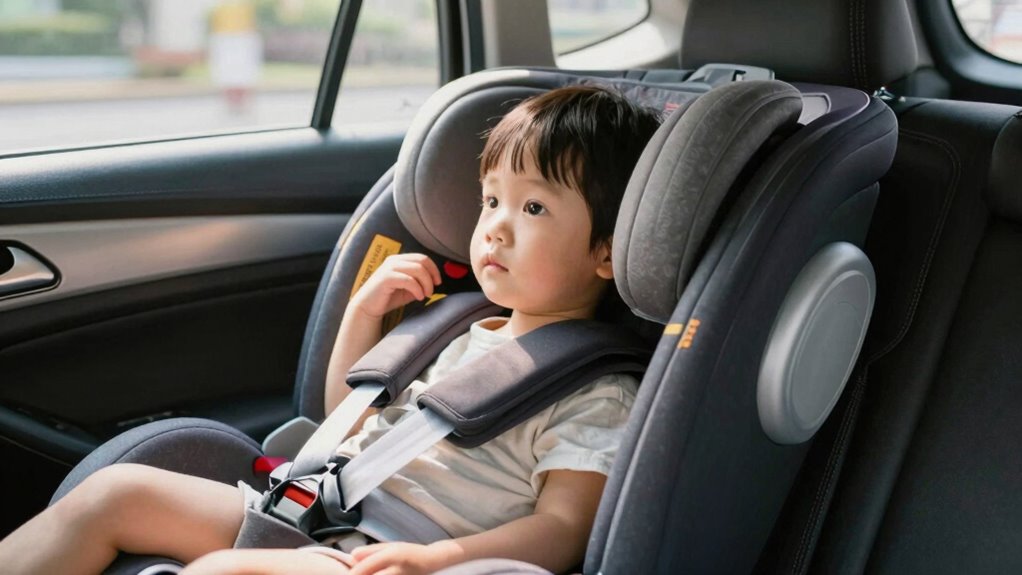
Have you ever wondered why so many safety experts recommend keeping your child in a rear-facing car seat for as long as possible? Many parents have misconceptions about car seat regulations, thinking they must switch to forward-facing seats at a set age or weight. But safety guidelines are evolving, emphasizing rear-facing positions for longer periods. You might believe that once your child hits a certain age or size, it’s safe to turn them around, but research shows extended rear-facing offers much better protection. Car seat regulations can be confusing, and misconceptions might lead you to make safety compromises. Staying informed and following current recommendations ensures your child benefits from the highest level of safety, making extended rear-facing not just an option but an essential choice for your child’s well-being. Additionally, understanding car seat safety standards can help you make more informed decisions about your child’s protection. Recognizing the importance of safety regulations can further reinforce the benefits of extended rear-facing and help you advocate for your child’s safety effectively.
The Science Behind Extended Rear-Facing Safety Benefits
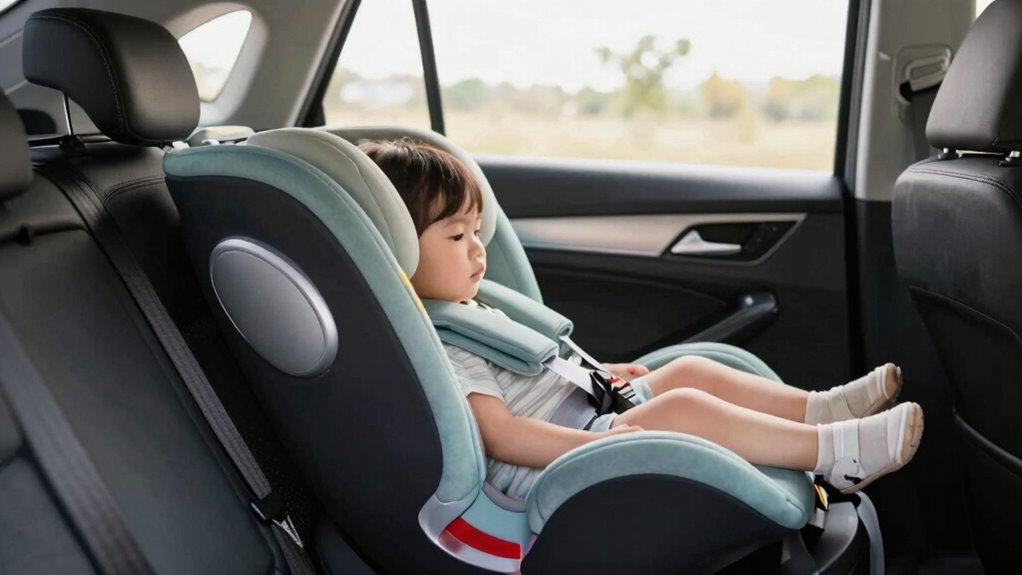
Research shows that rear-facing car seats substantially reduce head injuries in crashes, protecting your child’s most vulnerable area. Crash tests consistently demonstrate better results for extended rear-facing positions, indicating increased safety. Overall, children rear-facing longer face a lower risk of fatalities, making it an essential safety choice. Additionally, understanding the importance of proper puppy care essentials can contribute to a child’s overall safety and well-being in various aspects. Incorporating knowledge about DIY safety tools can also help parents and caregivers set up safer environments for children and pets alike. Recognizing the urban pursuits and community activities available in different regions can further promote a safe and engaging environment for children and families. Embracing inclusive safety standards in car seat design and testing further enhances protection for all children. Staying informed about child safety advancements ensures that caregivers adopt the most effective safety practices.
Reduced Head Injuries
Why do extended rear-facing car seats substantially reduce the risk of head injuries? It’s because they support your child’s head, neck, and spine as a single unit during a crash, preventing harmful movement. This positioning minimizes whiplash and reduces the chance of head impact. Parent education plays a crucial role in understanding this safety benefit, which often isn’t emphasized enough. Recent legislation updates reflect increased awareness, encouraging longer rear-facing periods for better protection. By keeping your child rear-facing, you’re aligning with the latest safety standards and recommendations. This approach offers a significant advantage in reducing head injuries, as the entire body is better supported and less exposed to the forces of a collision. Staying informed helps you make the safest choice for your child’s well-being. Additionally, understanding car seat safety features can further enhance your child’s protection during travel. Recognizing the importance of extended rear-facing practices can also empower parents to advocate for safer transportation options.
Improved Crash Test Results
Because crash test simulations have become more sophisticated, they reveal that extended rear-facing seats perform considerably better in protecting children during collisions. These improved results highlight how the design better absorbs crash forces, minimizing injury risks. Understanding child psychology shows that children’s developing bodies are more vulnerable, making the enhanced safety of extended rear-facing seats essential. The science behind these tests confirms that rear-facing positions better support a child’s head, neck, and spine during impact. Car seat accessories, like additional padding or support cushions, can further optimize safety and comfort. As a parent, knowing that these seats provide superior crash test outcomes can increase confidence in your choice, emphasizing that keeping your child rear-facing longer greatly enhances their safety during accidents. Crash test results continue to evolve, providing even clearer evidence of the safety benefits of extended rear-facing seats, especially as digital frames and interactive tools are used to educate parents about safety practices.
Lower Risk of Fatalities
The improved crash test results for extended rear-facing seats directly translate into a lower risk of fatalities for young children. When you choose extended rear-facing car seats, you’re supporting safer child development and reducing injury severity during accidents. Parental awareness of these safety benefits can make a significant difference. Children in rear-facing seats are better protected because their head, neck, and spine are supported and less exposed to crash forces. This positioning minimizes potential injuries and lowers fatality risks. Additionally, understanding car seat safety standards can help parents make informed choices to protect their children effectively. Recognizing the importance of emotional regulation in safety behaviors can also enhance parental decision-making when it comes to child safety. Incorporating crashworthiness testing data into your decision-making process further emphasizes the safety advantages of extended rear-facing seats. Being aware of injury prevention strategies can also support parents in choosing the most protective options for their child’s safety. Furthermore, staying informed about industry regulations ensures that parents select seats that meet rigorous safety criteria.
When Should You Switch to Forward-Facing?
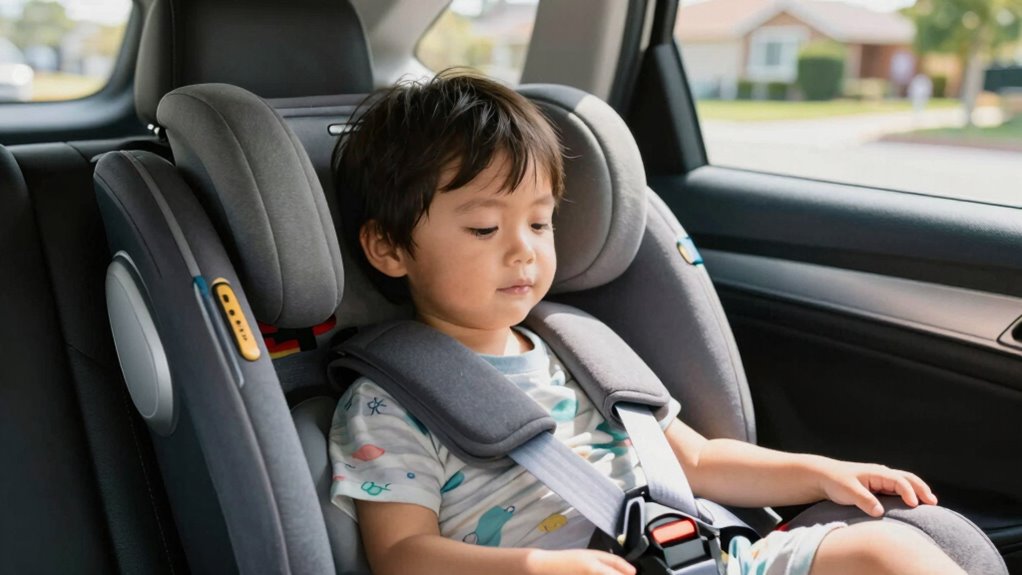
Deciding when to switch your child to a forward-facing car seat depends on their age, size, and developmental readiness. Most experts recommend keeping your child rear-facing until they reach the maximum height or weight limit specified by the car seat regulations. Parenting styles influence how strictly you follow these guidelines, but safety should always come first. Many parents switch early due to convenience or misconceptions, but delaying the transition offers better protection. Car seat regulations are designed to guarantee maximum safety, so check the manufacturer’s instructions and local laws. Children are safest rear-facing as long as possible, typically until at least age 2 or beyond. Prioritizing their development and adhering to regulations helps confirm your child’s safety during car trips. Understanding child safety guidelines can further ensure you’re making the best decision for your little one’s protection. Additionally, being aware of rear-facing safety benefits can help reinforce the importance of delaying the switch. Incorporating water safety practices can also be vital as your child grows, ensuring their safety around pools and other water sources. Being informed about car seat regulations can help you navigate legal requirements and keep your child safer on the road.
How Long Should Your Child Remain Rear-Facing?

You should keep your child rear-facing until they reach the maximum weight or height limit recommended by the car seat manufacturer, often around age 3 or beyond. Extended rear-facing offers significant safety benefits, reducing the risk of injury in a crash. Staying rear-facing longer can give your child better protection during their early years. Additionally, essential oils for safety can promote a calming environment, helping both parents and children feel more comfortable during travel. Being aware of electric vehicle safety features can also enhance overall travel security for families. Recognizing the importance of proper car seat installation can further ensure your child’s safety during car journeys, just as proper piercing care and hygiene is essential for avoiding infections and ensuring healing. Moreover, understanding astrological influences may subtly influence a child’s personality traits, which can be beneficial for parents aiming to foster positive development.
Recommended Rear-Facing Duration
Experts recommend keeping children rear-facing for as long as possible, ideally until they reach the maximum weight or height limit set by their car seat manufacturer. This period varies, but many children can stay rear-facing until age 3 or beyond. To maximize safety, follow these parenting tips:
- Check your car seat’s weight and height limits regularly
- Ensure the seat is properly installed and secure
- Keep harness straps snug at all times
- Regularly review car seat maintenance guidelines
- Avoid rushing to forward-facing once limits are reached
Sticking to these recommendations not only enhances your child’s safety but also simplifies car seat maintenance. Remember, patience during this stage can pay off with better protection and peace of mind while traveling.
Safety Benefits of Extended Rear-Facing
Because young children’s necks and spines are still developing, keeping your child rear-facing longer considerably reduces the risk of injury in a crash. Extended rear-facing enhances safety by better distributing crash forces across the safer parts of their bodies. Your parenting habits, such as prioritizing safety over convenience, play a key role here. It’s important to check your vehicle’s compatibility with rear-facing seats, since some models may have weight or height limits. Many experts recommend keeping children rear-facing until they reach the maximum limits of their car seat—often around age 2 or beyond. This practice substantially lowers injury risk, giving your child essential extra protection during accidents. Prioritizing extended rear-facing is a simple, effective way to improve your child’s safety on every trip.
Common Myths About Extended Rear-Facing Debunked
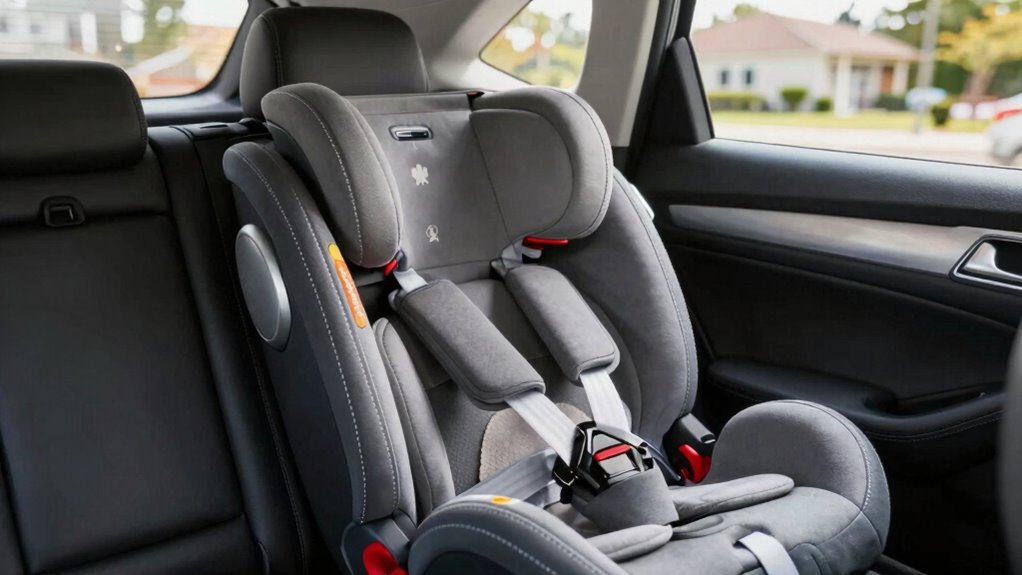
Many common myths about extended rear-facing car seats persist, often leading parents to make unnecessary or premature switching decisions. These parental misconceptions can stem from outdated advice or misunderstandings about car seat installation and safety. To clear things up, consider these facts:
Many myths about extended rear-facing seats can lead to unsafe, premature switching. Stay informed for your child’s safety.
- Kids can comfortably sit rear-facing much longer than many believe.
- Extended rear-facing doesn’t hinder your child’s mobility or comfort.
- The risk of injury decreases markedly when rear-facing longer.
- It’s safe and recommended to keep your child rear-facing until they outgrow the seat’s height or weight limit.
- Switching early isn’t necessary and may compromise safety.
Understanding these myths helps you make informed decisions that prioritize your child’s safety and proper car seat use.
Tips for Transitioning to Forward-Facing Safely
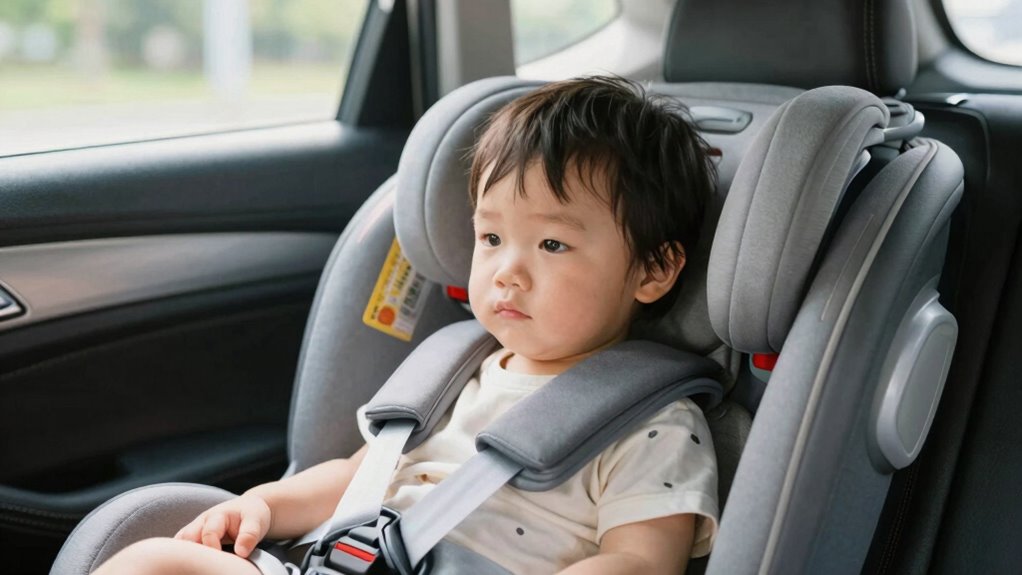
Knowing how to shift your child to a forward-facing car seat safely is essential for maintaining their safety and comfort. Start by reviewing your car seat’s manual and ensuring it’s installed correctly. Consistent parenting habits, like checking the harness straps and adjusting them as your child grows, help keep the seat secure. Before switching, verify your child’s weight and height meet the manufacturer’s guidelines for forward-facing use. Regular car seat maintenance, such as cleaning and inspecting for wear and tear, keeps the seat functioning properly. Make sure the harness is snug, with no slack, and that the chest clip is at armpit level. Taking these steps guarantees a smooth and safe changeover, giving you peace of mind every time you’re on the road.
How to Choose the Best Rear-Facing Car Seat for Your Child
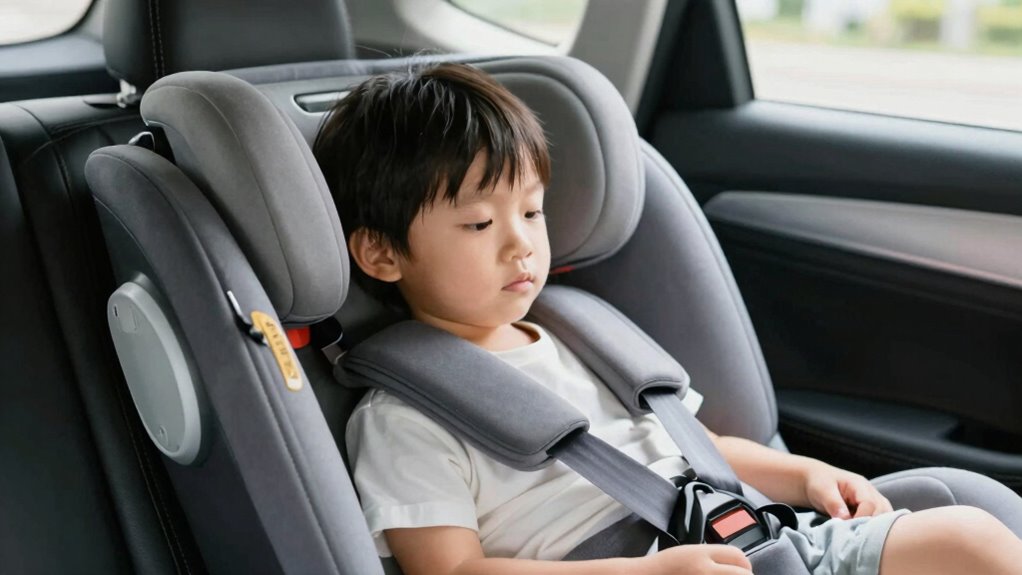
Selecting the right rear-facing car seat involves considering your child’s size, age, and developmental needs while guaranteeing the seat meets safety standards. Your parenting style influences your choice, whether you prefer a more traditional or modern approach to safety. Look for seats with clear, easy-to-follow instructions for car seat installation, making the process safer and less stressful. Focus on features like adjustable harnesses, side-impact protection, and weight limits to match your child’s growth. Keep in mind that some seats are better suited for smaller or older children, so check the specifications carefully. Remember, a well-chosen seat isn’t just about safety—it’s about comfort and peace of mind during every trip. Your attention to detail now ensures your child’s safety for years to come.
Frequently Asked Questions
Are There Any Risks Associated With Extended Rear-Facing?
There are minimal risks associated with extended rear-facing, and the benefits for child safety far outweigh them. While some worry about limited visibility or comfort, rear-facing seats provide better protection for your child’s head, neck, and spine during crashes. Plus, it supports developmental milestones by encouraging proper spinal and neck development. Overall, extended rear-facing is a safe choice that prioritizes your child’s safety and growth during essential early years.
How Do Car Seat Laws Vary by Region Regarding Rear-Facing Age Limits?
You might think car seat laws are the same everywhere, but regional legislation and safety standards vary considerably. Some regions require children to stay rear-facing until age two or beyond, while others have shorter age limits. Always check local regulations, as adhering to regional legislation guarantees your child’s safety and compliance. Following these safety standards is essential for maximum protection, and staying informed helps you make the best choice for your child’s well-being.
Can I Keep My Child Rear-Facing in an Airplane?
Yes, you can keep your child rear-facing on an airplane, which enhances airplane safety by providing better support and reducing injury risks during turbulence. It also improves cabin comfort for your little one, making the flight more pleasant. Make certain your car seat is approved for airplane use and follow airline guidelines. Keeping your child rear-facing during the flight helps ensure a safer, more comfortable travel experience.
What Are the Signs That Indicate It’s Time to Switch Forward-Facing?
Coincidentally, when your child’s infant positioning reaches the seat’s height or weight limit, it’s time to switch forward-facing. You’ll notice their head nearing the seat’s top or their legs feeling cramped, signaling they’ve outgrown the rear-facing position. Seat orientation choices matter, so keep an eye on these signs to guarantee safety and comfort. Shifting at the right moment helps your child stay secure and comfortable during every ride.
How Does Rear-Facing Impact My Child’s Comfort During Long Trips?
Rear-facing seats often enhance your child’s comfort during long trips because they provide better support for their head, neck, and back. This position reduces discomfort and minimizes movement, making the ride smoother. As a result, your child’s comfort improves, leading to less fussiness. When your child feels comfortable, trip enjoyment increases for everyone, allowing you to relax and focus on the journey rather than constant stops or soothing.
Conclusion
Remember, keeping your child rear-facing longer considerably reduces injury risk—studies show it can cut head and neck injuries by up to 80%. By understanding the safety benefits and debunking myths, you’re making an informed choice that protects your little one. So, stay patient and informed as you navigate car seat changes; the extra time rear-facing offers is well worth it for your child’s safety and peace of mind.
Cold & flu season Picks
humidifiers
As an affiliate, we earn on qualifying purchases.