
Wearable breast pumps seem perfect until you face fit issues, noise, or tech glitches that disrupt your routine. Ill-fitting cups can cause discomfort, leaks, or reduced milk flow, while noisy operation affects discretion in public or at work. Technical problems like connectivity or battery life also throw off your plans. Luckily, understanding how to troubleshoot these common issues and improve comfort can make your pumping experience much smoother. Keep going to find out how you can avoid these pitfalls.

Turn the school run and nap time into listening time
- Thousands of audiobooks, podcasts and originals
- Listen on your phone, tablet or Echo — also offline
- Cancel anytime
Key Takeaways
- Device malfunctions or connectivity issues can disrupt pumping sessions unexpectedly.
- Noise levels, even if quiet, may still be noticeable and affect discretion in certain environments.
- Battery life limitations can cause power loss during use, leading to interruptions.
- Improper fit or discomfort may result in leaks or reduced milk flow, defeating convenience.
- Regular maintenance and cleaning are essential but can be time-consuming and sometimes overlooked.
wearable breast pump with adjustable suction
As an affiliate, we earn on qualifying purchases.
As an affiliate, we earn on qualifying purchases.
Why Wearable Breast Pumps Seemed Like the Perfect Choice
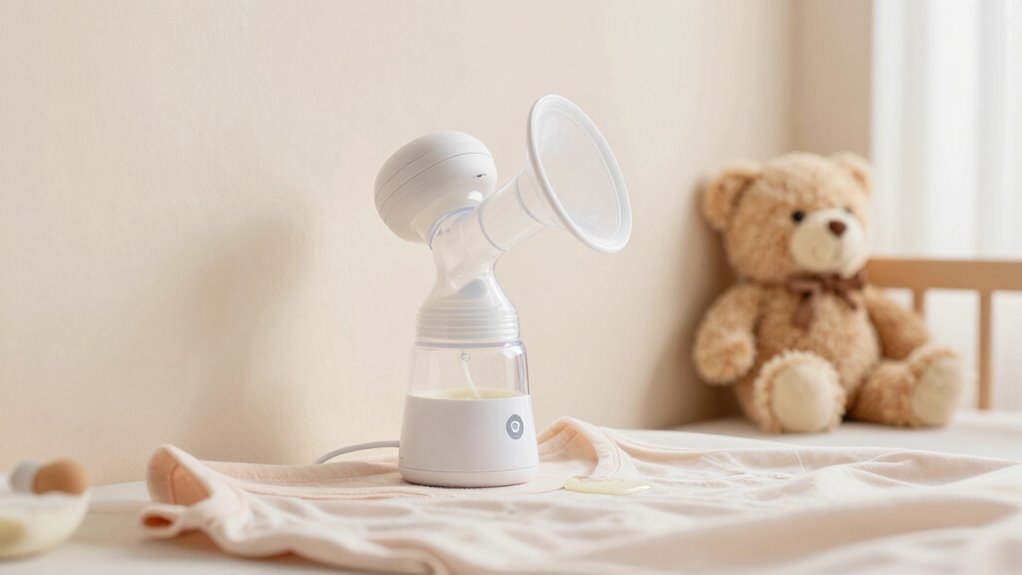
Wearable breast pumps quickly gained popularity because they offer unmatched convenience for busy moms. They fit seamlessly into modern fashion trends, allowing you to pump discreetly anywhere—at work, commuting, or even during social outings. Many moms believed these pumps could help bust breastfeeding myths, like the idea that pumping is complicated or inconvenient. The sleek design and hands-free functionality made them seem like a game-changer, promising more freedom and flexibility. You felt confident that this innovation could make breastfeeding easier, especially when balancing daily responsibilities. The idea of staying stylish while pumping, without bulky equipment, appealed to your desire for practicality and modernity. It seemed like the perfect solution for moms who wanted to combine motherhood with an active, fashionable lifestyle. However, some users experienced issues with product reliability, which impacted their overall experience. Additionally, concerns about security and device safety are important considerations, especially when using electronic gear in sensitive environments. As with any new technology, the importance of device safety standards cannot be overlooked to ensure peace of mind during use. A new concern that has arisen is the long-term durability of these devices, which is critical for ongoing reliability. It’s also essential to understand the regulatory landscape, as evolving rules can influence the safety and quality of these products.
What Features Make a Good Wearable Breast Pump?
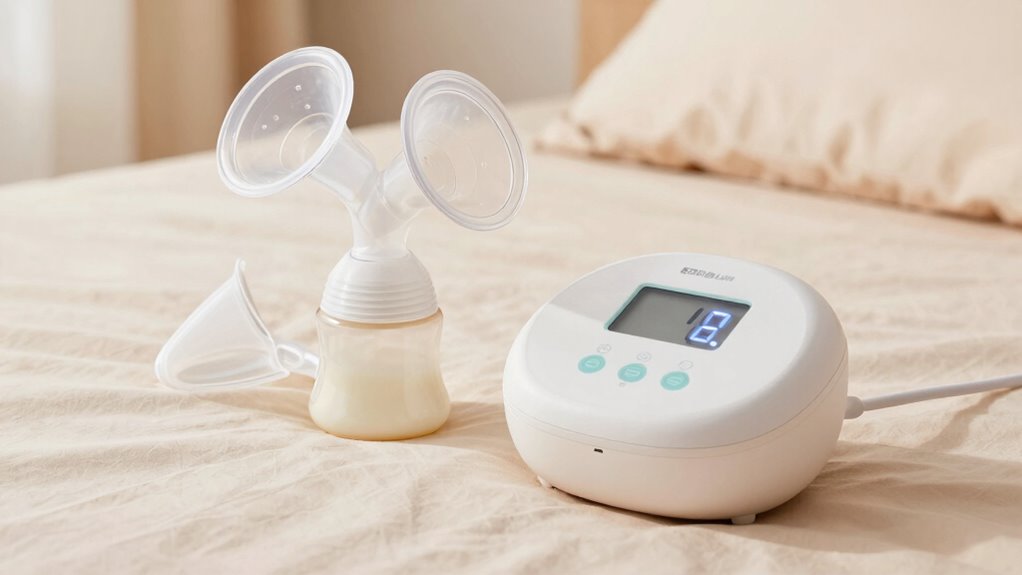
To guarantee a wearable breast pump meets your needs, it should feature a quiet, efficient motor that allows you to pump discreetly without drawing attention. This way, you can enjoy the breastfeeding benefits while managing your pumping schedules smoothly. Look for a pump with:
- A powerful yet silent motor that lets you pump effortlessly, even during meetings or on-the-go.
- Adjustable suction levels to mimic natural breastfeeding, ensuring comfort and effectiveness.
- Long-lasting battery life so you can pump multiple sessions without interruptions.
- Additionally, choosing a pump with color accuracy features can help ensure the pump’s display and controls remain visible and easy to read in various lighting conditions, enhancing usability. Incorporating monetization tips into your routine can also provide financial support as you navigate breastfeeding and pumping.
These features help you stay flexible, comfortable, and discreet, making your pumping routine easier. A good wearable pump supports your breastfeeding goals by blending convenience with effectiveness, making it easier to maintain your schedule and enjoy the benefits of breastfeeding.
Common Comfort and Fit Problems With Wearable Pumps

While advanced features can make pumping more convenient, comfort and fit are often the biggest concerns for users. Many wearables clash with current fashion trends, making it hard to feel confident while pumping. Ill-fitting cups can cause discomfort, leaks, or reduced milk flow, leaving you frustrated. Some women believe breastfeeding myths that suggest a perfect fit isn’t essential, but improper sizing can lead to soreness and ineffective pumping. You might find yourself constantly adjusting the device or feeling self-conscious wearing it in public. These common comfort issues can turn a helpful tool into a source of stress. Ensuring a proper fit is vital, yet many pumps don’t offer enough customization to meet diverse body shapes and sizes, further complicating the experience. Additionally, understanding and utilizing accessibility features can help users adapt their devices for a more comfortable and confident pumping experience. Considering individual body differences can also help manufacturers develop more adaptable and comfortable wearable pumps, ultimately improving user satisfaction. Incorporating personalized sizing options can significantly improve overall comfort and efficiency for many users.
How to Improve Fit and Comfort in Your Pump

Achieving a better fit and greater comfort with your pump starts with understanding your body’s unique shape and size. To enhance fit, consider these steps:
- Adjust the flange size to match your nipple and breast tissue, avoiding pinching or slipping.
- Position the pump properly, aligning it with your breast and nipple, so it mimics natural breastfeeding, debunking breastfeeding myths that say bigger is better.
- Experiment with different accessories, like cushions or inserts, to improve seal and comfort, especially as fashion trends influence how discreet and comfortable pumps look.
- Incorporate foam rolling techniques to help relax the chest muscles, potentially improving overall comfort and fit during pumping sessions. Additionally, exploring style and fit tips can help you find the most comfortable and effective pumping setup.
- Understanding existential themes can also empower you to make more informed decisions about your breastfeeding journey, ensuring you prioritize comfort and well-being.
Troubleshooting Technical Glitches in Wearable Pumps

When your wearable pump isn’t connecting properly or the battery drains quickly, it can be frustrating. These common issues often have simple solutions you can try first, like checking the Bluetooth connection or ensuring the battery is fully charged. A solar-powered security camera can sometimes interfere with wireless signals, so consider its placement if connectivity issues persist. Addressing these glitches promptly helps keep your pumping routine smooth and reliable. Additionally, understanding the importance of positive thoughts and intentions can help you stay calm and focused while troubleshooting. Keeping your device protected with accessories like a remote car cover can also help prevent damage from environmental factors that might affect its performance. Regular gear inspection ensures all components are functioning correctly and reduces the likelihood of unexpected failures. Being aware of your surroundings, such as urban pursuits or bucolic settings, can also influence device performance and help you troubleshoot more effectively.
Common Connectivity Issues
Connectivity issues are among the most common hurdles you might encounter with wearable breast pumps, disrupting your pumping routine and causing frustration. You might find yourself:
- Reconnecting Bluetooth repeatedly, feeling like you’re stuck in a fashion trend that’s already outdated.
- Struggling with inconsistent syncing, making you question whether modern medical research can keep up with your busy life.
- Facing app errors that refuse to pair, leaving you frustrated and unsure if the pump’s technology aligns with current trends in smart health devices.
These glitches can seem minor, but they disrupt your flow. Staying updated on connectivity troubleshooting tips, like restarting devices or updating firmware, ensures your wearable pump stays reliable—just like the latest innovations in medical research and fashion trends. Additionally, regularly reviewing your smart device security settings can help protect your personal health data from potential breaches. Being aware of connectivity troubleshooting best practices can help you resolve issues more efficiently and maintain confidence in your device’s performance. Moreover, understanding the battery capacity of your device can prevent unexpected power loss during critical moments. Remember, keeping your device’s firmware updated can resolve many common glitches and improve overall stability.
Battery Life Challenges
Battery life can be a major hurdle with wearable breast pumps, especially when you’re caught off guard during an essential pumping session. You might assume that sleek designs follow the latest fashion trends, but that often means sacrificing battery longevity. Many pumps claim to be discreet and stylish, yet struggle to last through multiple sessions. Don’t fall for breastfeeding myths that these devices can operate endlessly without frequent charging. To avoid surprises, always keep a backup power source or charge your pump fully before use. Understanding the battery limitations helps you plan better, ensuring you don’t miss a beat in your breastfeeding routine. Staying informed about these challenges helps you choose the right pump and use it effectively, without interruption. Regularly checking the battery capacity and understanding how it impacts your pump’s performance can make all the difference.
Battery Life and Power Concerns: What to Expect
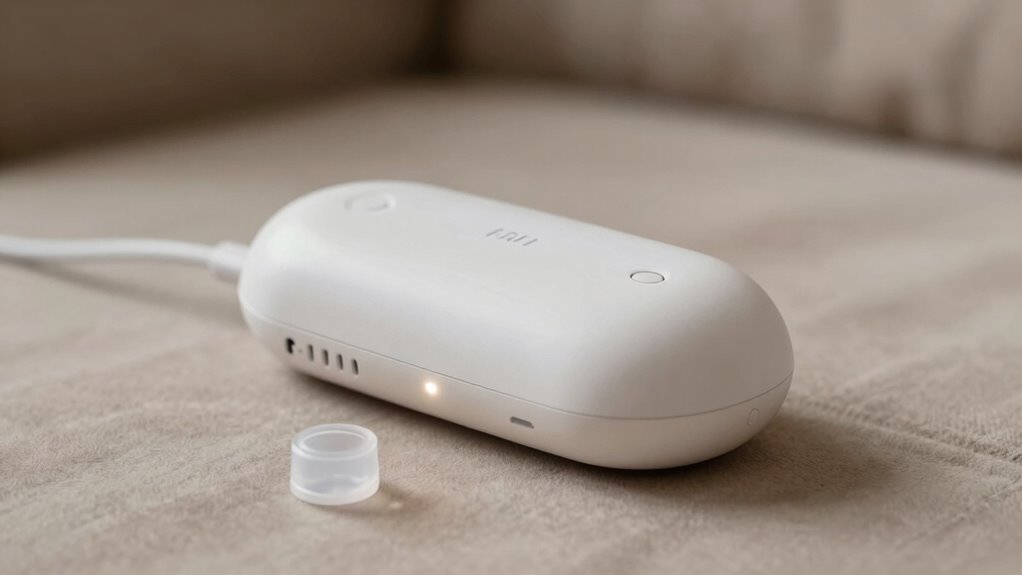
You’ll likely notice that wearable breast pumps have limited battery life and need frequent recharging, which can be inconvenient during busy days. Power loss or decreased performance might happen if the battery runs low, risking interruptions. Staying aware of these power concerns helps you plan your pumping sessions more effectively.
Battery Duration Limitations
While wearable breast pumps offer convenience and mobility, their battery life can be a significant concern. You might find yourself mid-session, wishing for just a bit more power. Typically, these pumps last about 2 to 4 hours depending on the model. Imagine:
- A quick coffee break draining your pump’s battery faster than expected.
- A long day out, where you need multiple sessions but are limited by a single charge.
- Fashion trends influencing sleek designs that often compromise battery capacity for aesthetics.
Many breastfeeding myths suggest these pumps are all-day solutions, but the reality is they often require careful planning. Be aware of these limitations before relying solely on wearable pumps, especially if you’re trying to stay trendy while managing your milk supply.
Charging Frequency Challenges
Even with a portable design, wearable breast pumps require regular charging to stay ready for use. This can be a challenge when juggling fashion trends and parenting tips, especially if you need to pump frequently. Expect to charge your device after about 2-3 sessions, which can disrupt your routine. To help visualize, here’s a quick look:
| Usage Session | Charging Needed? |
|---|---|
| 1st session | No |
| 2nd session | Yes |
| 3rd session | Yes |
| 4th session | Yes |
| Daily use | Every 1-2 days |
Maintaining awareness of charging cycles ensures your pump is always ready, but it also means planning ahead, especially when blending fashion trends with busy parenting tips.
Power Loss Risks
Have you ever experienced unexpected power loss while using a wearable breast pump? It’s frustrating, especially when you’re in a rush. Power loss risks can happen quietly, leaving you unprepared. Imagine:
- Your pump shutting down mid-session, leaving you unsure if you’re emptying fully.
- Battery indicators that are misleading, fueling breastfeeding myths about short battery life.
- Fashion trends favoring sleek, lightweight designs but sacrificing longer-lasting power sources.
These issues can disrupt your routine and cause anxiety. While some models tout extended battery life, it’s essential to stay aware of power concerns. Don’t assume a fashionable, modern-looking pump won’t have power loss risks. Being prepared means understanding battery limitations and managing expectations, especially since tech advancements can sometimes lead to overestimating a pump’s power capacity.
Noise Levels and Discretion: Real Moms’ Experiences
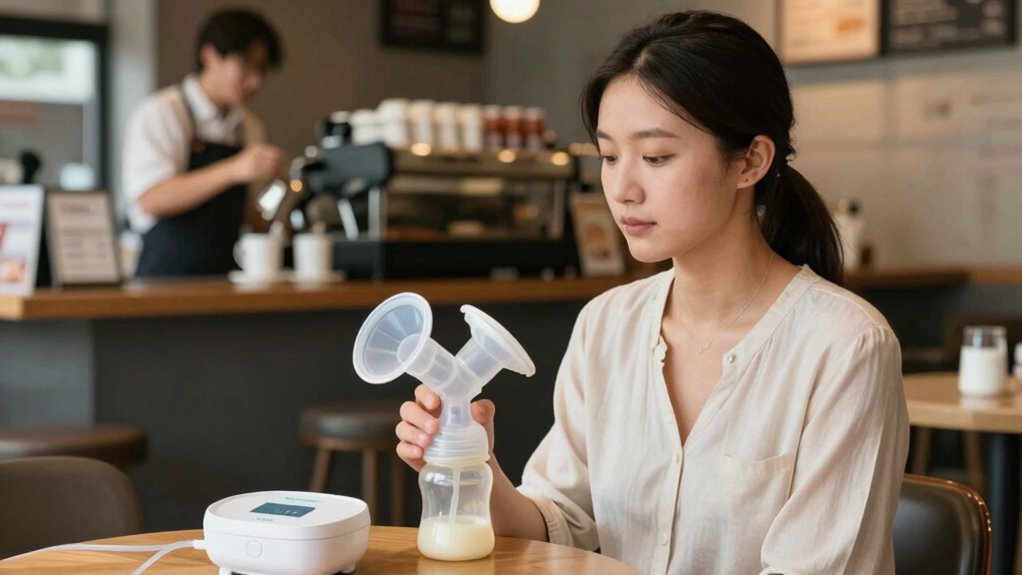
Are noise levels a concern when choosing a wearable breast pump? Many moms find that discreet operation is essential for maintaining fashion trends and respecting breastfeeding etiquette. While some pumps are advertised as quiet, real experiences vary—loud noises can draw unwanted attention, especially in public or work settings. You might worry about the pump disrupting your daily routine or feeling self-conscious during sessions. Some moms appreciate models that operate quietly, allowing them to pump discreetly without feeling exposed. The right level of noise can make a big difference in your comfort and confidence. Ultimately, it’s about finding a pump that blends seamlessly into your lifestyle while helping you stay discreet, whether you’re at home, in the office, or out with friends.
Cleaning and Maintenance Tips for Wearable Breast Pumps
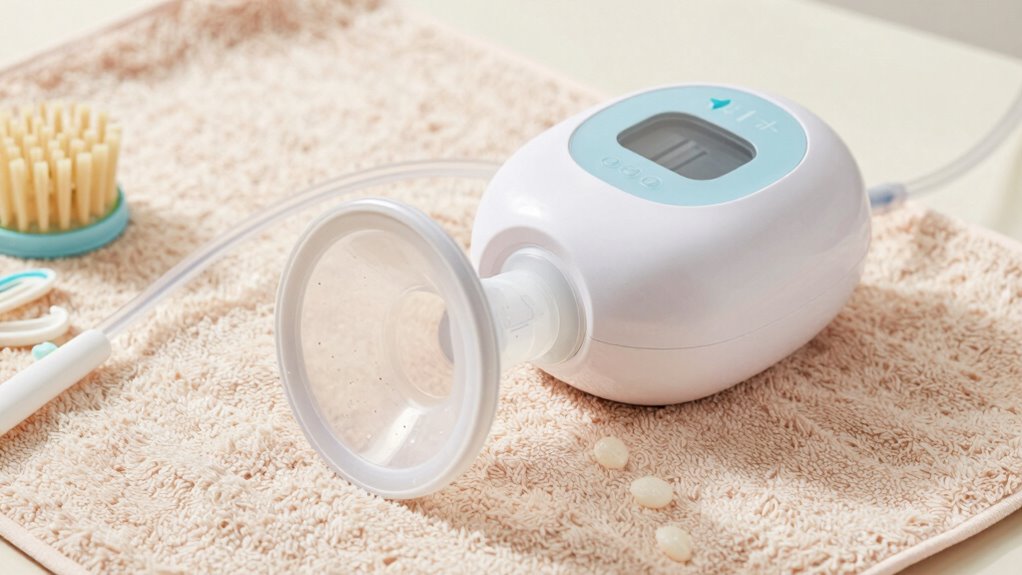
Keeping your wearable breast pump clean is essential for both safety and performance, so establishing a simple maintenance routine can save you time and stress. To keep it in top shape, follow these steps:
Maintaining your wearable breast pump ensures safety, performance, and a stress-free, stylish parenting routine.
- Disassemble the pump after each use, imagining you’re styling your favorite fashion trend—each piece needs to be perfectly arranged.
- Rinse all parts with warm water, ensuring no milk residue remains, like wiping away parenting tips for a smoother day.
- Sterilize the components regularly using boiling water or a sterilizer, giving your pump the same care you give your little one’s favorite outfit.
Staying consistent with cleaning not only boosts performance but also aligns with fashion trends of sleek, hygienic accessories. It’s a simple habit that makes parenting easier and more stylish.
Hidden Costs and What to Budget For
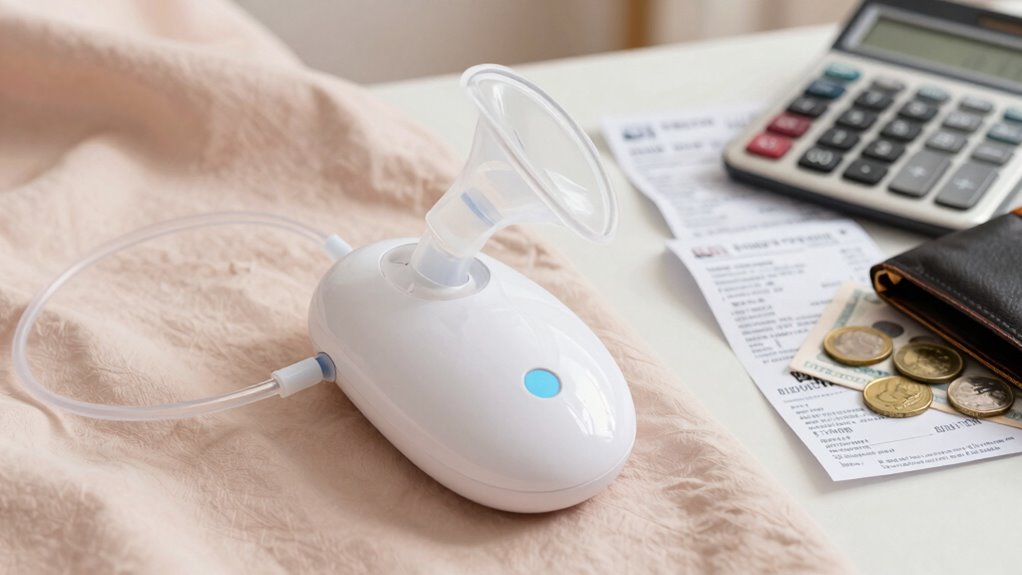
Thinking about the upfront cost of a wearable breast pump is just the beginning; many hidden expenses can add up if you’re not prepared. You might need extra accessories, replacement parts, or storage bags, which aren’t always included in the initial price. Shipping fees and taxes can also surprise you at checkout. Additionally, consider ongoing costs like battery replacements or repairs. When choosing a brand, pay attention to marketing strategies that highlight affordability, but also research their reputation for durability and customer support. A brand with a strong reputation might cost more upfront but could save you money long-term through fewer replacements and better service. Budgeting for these concealed costs ensures you won’t be caught off guard and helps you make a smarter, more confident purchase.
Frequently Asked Questions
Are Wearable Breast Pumps Safe for All Breastfeeding Stages?
Wearable breast pumps are generally safe for most breastfeeding stages, but it’s crucial to address common breastfeeding myths that might lead you to overuse or misuse the pump. Always follow proper pump maintenance routines to prevent infections or malfunctions. As your baby grows, consult with a lactation expert to make sure the pump suits your changing needs. This way, you can enjoy the convenience without risking your or your baby’s health.
How Do Wearable Pumps Compare in Milk Output Efficiency?
You’ll find that wearable pumps are generally about 20-30% less efficient in milk expression compared to traditional models. Their pump efficiency varies based on brand and design, but many users notice a slightly slower milk output. While wearable pumps offer unmatched convenience, they might require more time to match the same milk volume. If efficiency is your priority, traditional pumps might still be the best choice, but for hands-free ease, wearable options excel.
Can Wearable Pumps Be Used During Physical Activities or Exercise?
Yes, wearable breast pumps can be used during physical activities, but exercise mobility concerns vary. Many models are designed for discreet use and are portable, allowing you to pump while walking or doing light workouts. However, intense exercise might cause discomfort or reduce efficiency. Always check your pump’s specifications and comfort level before engaging in vigorous physical activity, ensuring it suits your exercise needs and maintains milk output.
Are There Any Age Restrictions for Using Wearable Breast Pumps?
You can use wearable breast pumps regardless of age, as long as you’re breastfeeding and your healthcare provider approves. Picture yourself confidently moving through your day, pumping discreetly. Remember to follow proper breastfeeding etiquette and keep your pump clean by following simple pump cleaning tips; this guarantees safety and hygiene. Age isn’t a barrier—what matters most is your comfort, health, and your little one’s needs.
What Insurance Options Are Available for Purchasing Wearable Breast Pumps?
You may find insurance coverage for wearable breast pumps through your health plan, as many providers now include lactation support. Reimbursement options vary by insurer, but you should check if your plan offers direct coverage or if you need to submit claims for reimbursement. Contact your insurance company to understand specific policies, and ask your healthcare provider for necessary documentation to maximize your chances of receiving coverage for this convenient breastfeeding tool.
Conclusion
While wearable breast pumps promise convenience, sometimes they can test your patience more than you’d like. With a little troubleshooting and patience, you can find ways to make them work better for you. Remember, every mom’s experience is unique, and what feels like a small hurdle today may become just a blip on your breastfeeding journey tomorrow. Keep exploring, stay flexible, and trust that your comfort and peace of mind are worth the effort.
Columbus Day / Indigenous Peoples' Day Picks
long weekend sales
As an affiliate, we earn on qualifying purchases.