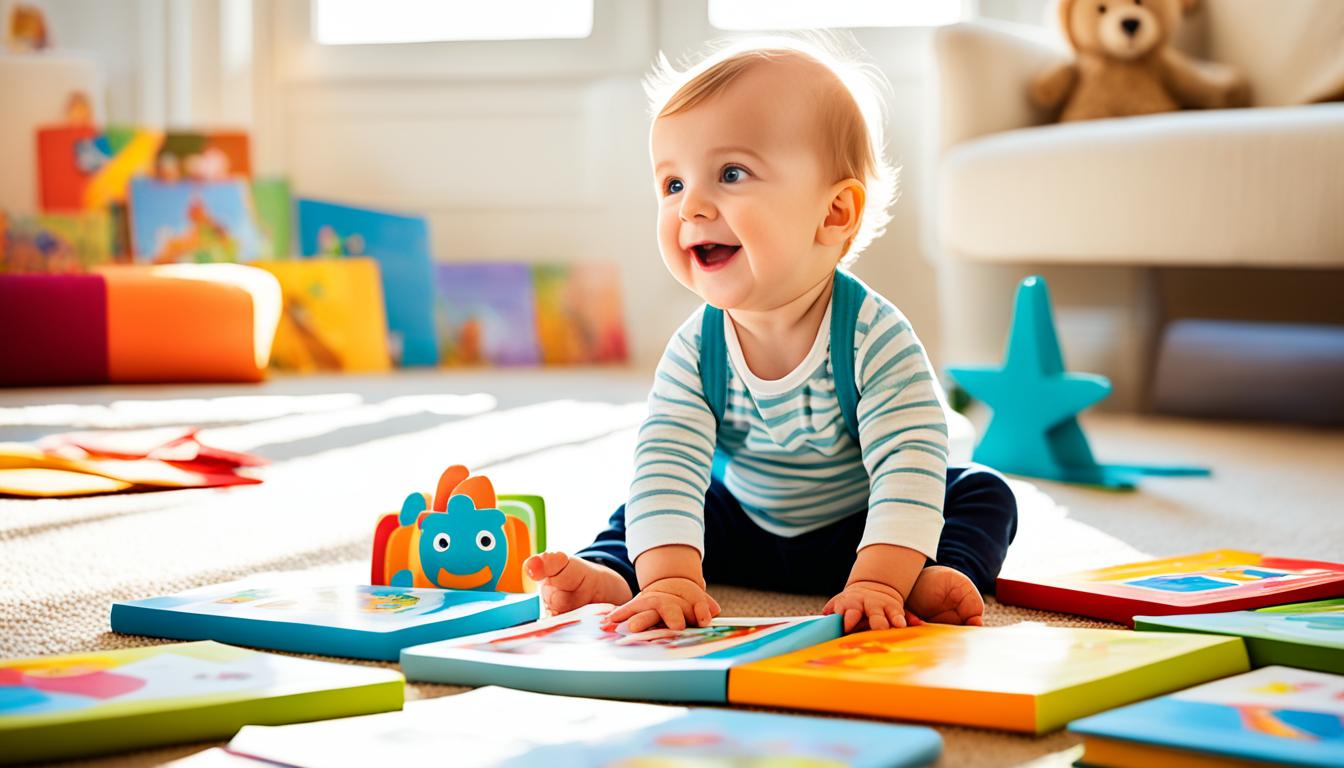

Playtime is crucial for your baby’s brain growth because it actively stimulates neural connections and builds essential sensory and social skills. By engaging in activities like exploring textures, sounds, and colors, you help develop their cognitive and motor skills. Social interactions during play also teach sharing, communication, and emotional understanding. Continued play strengthens these skills further, laying a strong foundation for future learning and growth. Keep exploring to discover more ways to support your baby’s development.

Get baby and family essentials delivered free — and shop member deals
- Fast, free delivery on millions of items
- Access to Prime Big Deal Days deals on October 6–7
- Prime Video, Amazon Music and more included
Key Takeaways
- Play stimulates neural connections, enhancing cognitive, sensory, and motor development in babies.
- Sensory-rich play activities strengthen neural pathways essential for understanding the environment.
- Social interactions during play develop communication, emotional regulation, and empathy skills.
- Engaging in varied play builds foundational skills for problem-solving and future learning.
- Consistent, interactive play fosters emotional security, confidence, and overall brain growth.

Playtime plays a crucial role in a child’s brain development, as active play stimulates neural connections and enhances cognitive skills. When you let your baby explore different textures, colors, sounds, and smells, you’re engaging their sensory exploration. This process helps build the brain’s sensory pathways, which are essential for understanding and reacting to the world around them. For example, encouraging your little one to touch soft fabrics, listen to musical toys, or taste new foods fosters a rich environment for sensory development. These experiences not only sharpen their senses but also lay the foundation for more complex learning later on.
As your baby interacts during play, social interaction becomes a powerful tool for brain growth. Whether they’re playing with you, siblings, or peers, these social exchanges teach them important skills like sharing, turn-taking, and emotional regulation. When you respond to their cues—smiling back, talking, or mimicking their actions—you reinforce neural pathways associated with communication and emotional understanding. This back-and-forth helps your child grasp social norms and develop empathy, essential skills for healthy relationships. Playtime that involves social interaction also boosts confidence and helps your baby feel secure in their environment, making them more open to new experiences.
Incorporating sensory exploration and social interaction into play doesn’t require elaborate setups. Simple activities like finger painting, playing with bubbles, or building with blocks stimulate multiple senses and promote interaction. As your child reaches out, touches, and manipulates objects, they’re strengthening fine motor skills and problem-solving abilities. When you engage with them—asking questions, describing what they’re doing, or singing songs—you’re not only making playtime more enjoyable but also enhancing language development and cognitive skills. Engaging in structured play activities can further optimize their learning potential and provide additional opportunities for developmental growth.
As an affiliate, we earn on qualifying purchases.
Conclusion
As you watch your baby play, you’re planting seeds in a lush garden of growth. Each giggle, grasp, and wiggle weaves into the vibrant tapestry of their developing brain. Play isn’t just fun; it’s the spark that ignites their imagination and strength. So, keep the toys coming and the moments flowing—because in this joyful dance of discovery, you’re helping their mind bloom like a radiant sunrise after a dark night.
Fall Picks
fall essentials
As an affiliate, we earn on qualifying purchases.