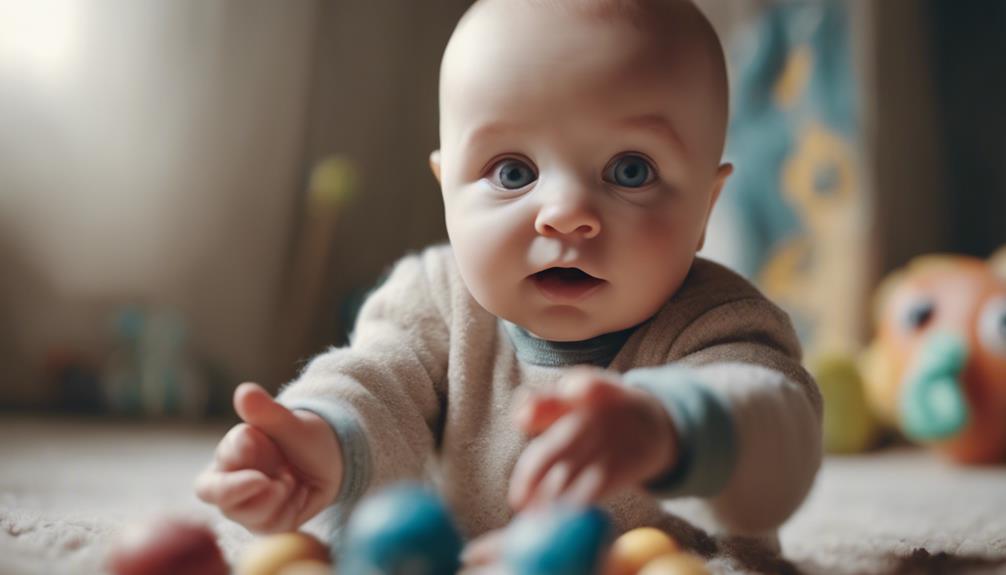

Your baby’s attention span develops through rapid brain growth that enhances their ability to focus and process stimuli. Young babies’ attention fluctuates naturally as their neural connections strengthen, influenced by sensory exploration and environment. To nurture focus, create calm, engaging surroundings, introduce familiar and new stimuli gradually, and use simple, colorful objects that encourage longer gazes. Understanding these patterns helps you support their growth better—continue exploring to learn more about fostering your baby’s attention skills.
Key Takeaways
- Attention span in babies fluctuates naturally due to ongoing brain development and neural connections.
- Sensory exploration with safe objects enhances neural pathways and supports focus growth.
- Creating calm, engaging environments with age-appropriate activities prolongs attention.
- Recognizing attention fluctuations as normal helps understand developmental progress.
- Gradually introducing new stimuli and repeating familiar ones nurtures longer, sustained focus.

Understanding a baby’s attention span can be challenging because it changes rapidly in the first months of life. During this period, your baby’s ability to focus is closely tied to their brain development, which is happening at an incredible pace. As their brain grows, neural connections form that enable them to process and respond to the world around them. This development isn’t linear; some days, your baby might seem captivated by a toy or face, while other days, their attention might drift quickly. Recognizing this fluctuation helps you understand that their focus isn’t a reflection of disinterest but a natural part of their growth.
In these early months, sensory exploration plays a vital role in shaping your baby’s attention span. Babies learn about their environment through their senses—touch, sight, sound, taste, and smell. When you introduce simple, safe objects like soft cloths, rattles, or high-contrast images, you’re providing opportunities for sensory exploration that can hold their attention longer. By engaging their senses, you give your baby a chance to develop the neural pathways necessary for sustained focus. Additionally, research shows that bright, bold colors can stimulate their visual senses and enhance attention. Keep in mind that their sensory system is still developing, so what might captivate them one day may not the next. That’s perfectly normal and part of their learning process.
To nurture your baby’s developing attention span, create a calm, engaging environment. Minimize distractions and choose activities that are appropriate for their age and developmental stage. For example, if your baby is interested in a colorful toy, hold it close enough for them to see clearly and move it slowly to keep their interest. Repeating familiar sounds or objects can also help strengthen their focus, as consistency reassures them and builds neural connections. As they grow, gradually introduce new stimuli, encouraging them to explore and pay attention longer.

Baby Montessori Sensory Toys for 0-6 6-12 Months, Baby Teether Teething Toys for Babies 0 3 6 9 12 18 Months, Newborn Infant Learning Developmental Toys Gifts for 1 2 Year Old Boys Girls
Multi-Sensory Baby Toy: This baby sensory toy uses 12 kinds of bright colors and textured silicone balls to…
As an affiliate, we earn on qualifying purchases.
As an affiliate, we earn on qualifying purchases.
Conclusion
By nurturing your baby’s attention now, you’re shaping a future genius who can focus for hours, solve mysteries, and conquer the world! Every moment you spend engaging, playing, and encouraging curiosity is like planting seeds for a supercharged brain that will outthink everyone else. So keep those activities lively and love-filled—because you’re not just helping your baby focus today, you’re crafting the most unstoppable, attention-mastering superstar of tomorrow!

Joyreal High Contrast Baby Toys for Newborn, Black and White Baby Sensory Toys with Car Seat Toys,Infant Toys with Black White Cards Book, Montessori Toys for Baby Gifts
[High Contrast Baby Toys] Our baby sensory toys sets include 1 car seat toy, 1 bear rattle toy,…
As an affiliate, we earn on qualifying purchases.
As an affiliate, we earn on qualifying purchases.
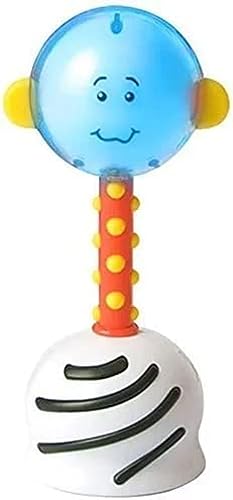
SmartNoggin NogginStik Light-up Developmental Rattle – Color Changing, Textured for Grasping, Mirror & Rattle Sound – Sensory Toy for Babies, Ages 0-12 Months
FAQ's: The NogginStik isn't designed to constantly stay on. It will turn on for about 40 seconds at…
As an affiliate, we earn on qualifying purchases.
As an affiliate, we earn on qualifying purchases.

OKOOKO Soft Baby Books 6PCS Soft Cloth Books Bath Books Crinkle Washable Non-Toxic Early Education Preschool Learning Toy for Newborns Babies Infants Toddlers Kids
6 BOOKS 6 THEMES: This soft cloth book set contains 6 different themes cloth books, wild animals, ocean…
As an affiliate, we earn on qualifying purchases.
As an affiliate, we earn on qualifying purchases.