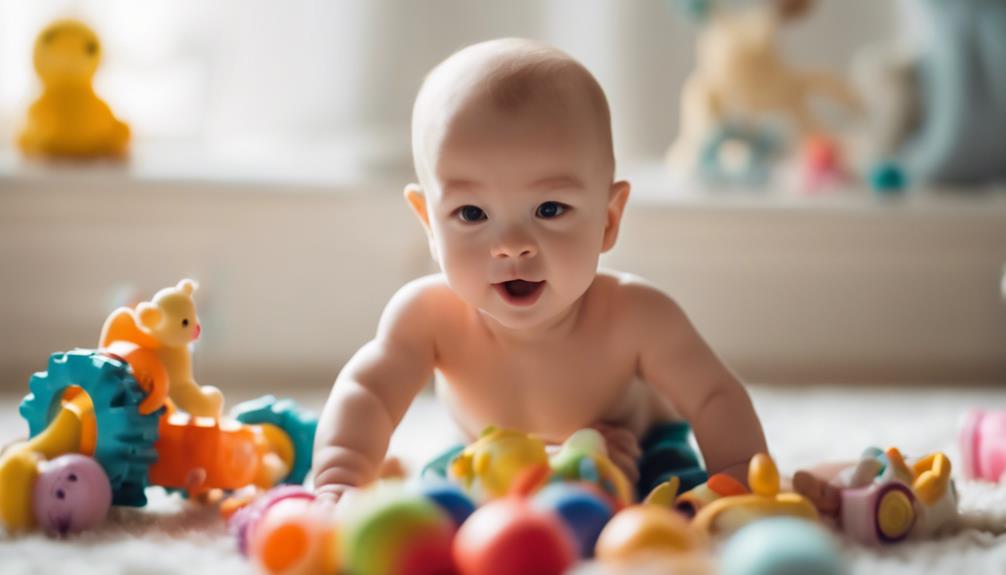

Babies start showing feelings within their first few months as they begin to recognize, express, and mirror emotions from those around them. You’ll notice them crying to communicate discomfort, smiling to show happiness, and responding to your tone and facial expressions. These early signs help them develop emotional awareness and trust. If you want to understand how these feelings evolve and how you can support their growth, there’s more to discover below.
Open a free Amazon Business account
Business pricing, bulk buying and tax-exempt orders.
As an affiliate, we earn on qualifying purchases.
Key Takeaways
- Babies begin to show basic emotions like joy, anger, or fear around 2 to 3 months old.
- Crying is their primary way of expressing discomfort, hunger, or need from birth.
- By 4 to 6 months, infants start to recognize and respond to familiar facial expressions and tone.
- Around 6 months, babies can mirror caregiver emotions, indicating growing emotional awareness.
- Emotional understanding and regulation continue developing throughout the first year, influenced by bonding and interactions.
Understanding emotional development in babies is essential because it lays the foundation for their future social and mental well-being. During these early months, your baby begins to process and respond to the world around them, and your role in forming their emotional framework is vital. Parental bonding plays a significant part in this process, as the way you interact, respond, and connect with your baby influences how they recognize and interpret emotions. When you respond to their needs promptly and consistently, you help your baby develop a sense of security and trust that underpins their emotional growth.
Early parental bonding fosters trust and emotional growth in babies.
In these early stages, your baby starts to pick up on early social cues, which are subtle signals that communicate feelings and intentions. These cues include facial expressions, tone of voice, and gestures. For example, when you smile, your baby notices and begins to associate your happiness with your presence. Conversely, if you appear distressed or upset, your baby may sense this and become more cautious or distressed themselves. Recognizing and responding to these cues fosters a healthy emotional connection, making your baby feel understood and loved. This interaction helps them learn how to regulate their emotions over time.
You’ll observe that even in the first few months, babies begin to show signs of emotional awareness. They may cry to express discomfort or hunger, which is their way of communicating needs before they develop more complex language skills. By responding to these cries with comfort and care, you’re helping them understand that their feelings matter and that they can trust you to meet their needs. Over time, your baby will start to show other emotions like joy through giggles or excitement when playing. These expressions are early indicators of their developing emotional intelligence, which is shaped by your ongoing interactions. Additionally, research shows that incorporating music therapy into routines can support emotional regulation and bonding, further enhancing their development.
As your baby grows, they’ll become more adept at recognizing your emotions and mirroring them. If you’re calm and positive, your baby is more likely to develop a sense of stability and happiness. If they see you express frustration or sadness, they might become more anxious, highlighting the importance of modeling healthy emotional responses. The foundation you set now through parental bonding and reading early social cues will influence how your child navigates feelings later in life. Your attentive care and genuine engagement are key to nurturing their emotional resilience and helping them develop a secure attachment that supports their mental health well into the future.
As an affiliate, we earn on qualifying purchases.
Conclusion
As you’ve seen, babies start showing feelings early on, laying the foundation for their emotional growth. Watching their tiny expressions develop is a reminder that every moment counts. Remember, nurturing their emotional world now helps them grow into confident, caring individuals. Keep in mind, the early bird catches the worm—your attentive care today sets the stage for a brighter tomorrow. Trust your instincts and cherish these precious moments; they’re the building blocks of a lifetime of emotions.
Fall Picks
fall essentials
As an affiliate, we earn on qualifying purchases.