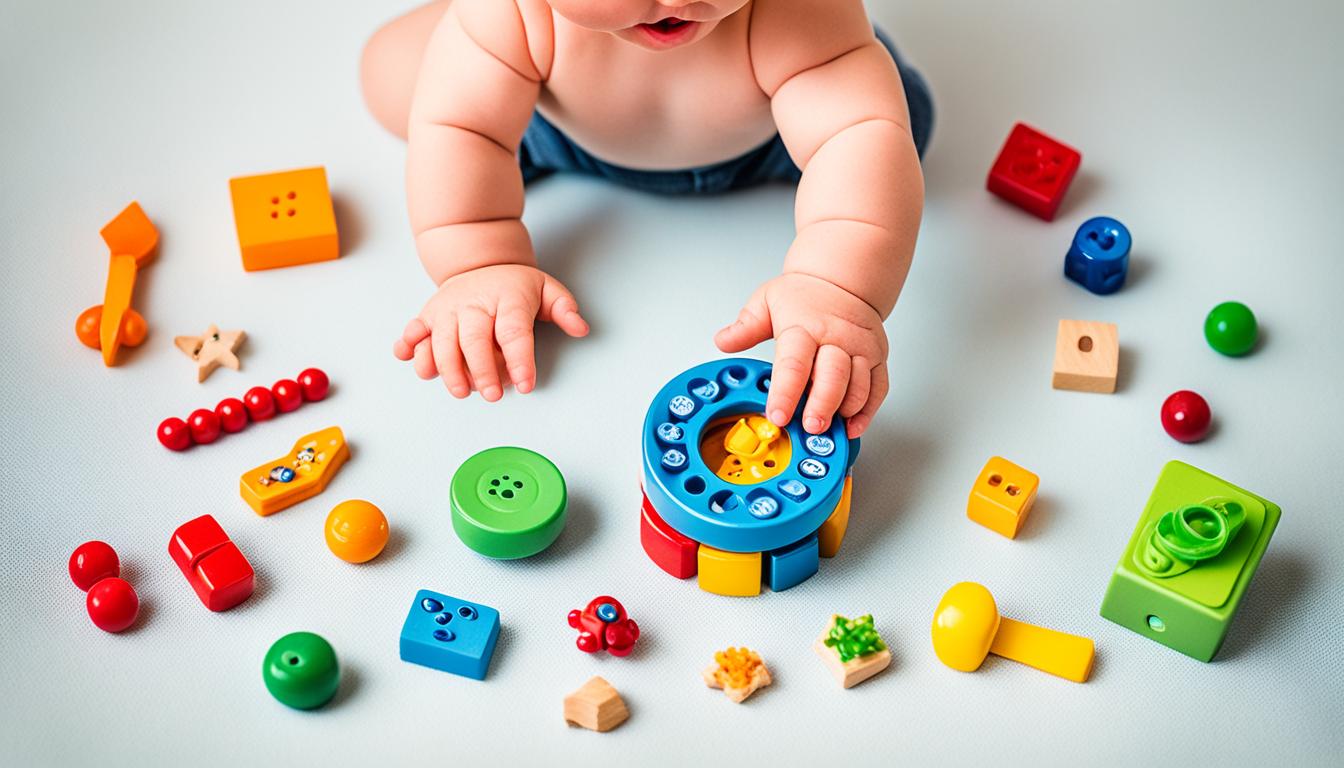
Tummy time is essential for your baby’s growth because it helps develop strong neck, shoulder, arm, and back muscles needed for milestones like rolling over, sitting, and crawling. It also promotes motor skills, coordination, and cognitive development. To do it right, supervise your baby, choose flat, firm surfaces, and keep sessions short initially, gradually increasing as they get more comfortable. If you keep exploring, you’ll discover simple ways to make tummy time enjoyable and effective.
Key Takeaways
- Tummy time strengthens neck, shoulder, and arm muscles, supporting milestones like rolling, sitting, and crawling.
- It promotes motor skill development and prevents delays in physical and cognitive growth.
- Always supervise on flat, firm surfaces and gradually increase session duration for safety.
- Make tummy time engaging with toys, mirrors, and eye-level interaction to encourage enjoyment.
- Incorporate daily routines, monitor signs of fatigue, and ensure positive experiences for consistent participation.

Have you ever wondered why tummy time is so essential for your baby’s development? It’s a simple activity that plays a pivotal role in helping your little one reach key development milestones. When you place your baby on their tummy, they start to build fundamental muscles in their neck, shoulders, arms, and back. These muscles are indispensable for skills like rolling over, sitting up, and crawling. Without enough tummy time, your baby might delay reaching these milestones, which can affect their overall development. That’s why it’s so important to incorporate tummy time into your daily routine, starting from when your baby is just a few weeks old.
However, while tummy time is beneficial, it’s equally important to prioritize safety tips to guarantee your baby enjoys this activity without any risks. Always supervise your baby during tummy time, and never leave them unattended. Make sure your baby is on a flat, firm surface like a clean blanket or play mat. Avoid soft surfaces such as couches or beds, where the risk of suffocation or falls increases. Keep the area free of small objects that your baby could put in their mouth or choke on. It’s also wise to start with short sessions—just a few minutes at a time—and gradually increase as your baby gets stronger and more comfortable. Always look for signs of fatigue or discomfort; if your baby becomes upset or tired, it’s better to pause and try again later.
To make tummy time safer and more engaging, get down on the floor with your baby. Your presence provides comfort and encouragement, helping them feel secure. Use toys or mirrors to motivate your baby to lift their head and look around. Position yourself at their eye level so you can easily monitor their movements and reactions. If your baby seems frustrated or overwhelmed, give them a break and try again later, perhaps after some playtime on their back. Remember, a positive experience with tummy time encourages your baby to enjoy it, which in turn supports their physical and cognitive growth. Additionally, understanding the importance of muscle development can motivate you to incorporate tummy time consistently, as it is crucial for their overall motor skill progression.
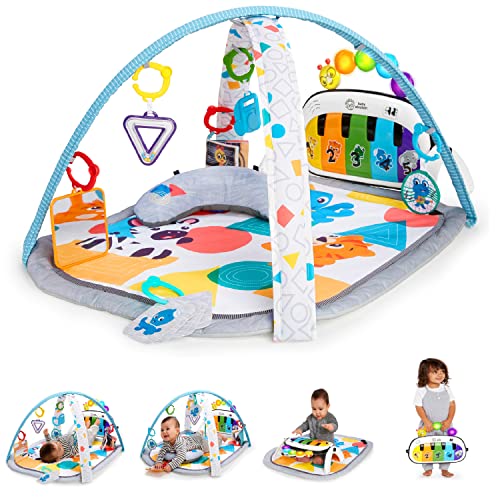
Baby Einstein 4-in-1 Kickin' Tunes Music and Language Play Gym and Piano Tummy Time Activity Mat
- Supports Motor Skill Development: Encourages fine and gross motor skills from 0-36 months
- Multiple Play Modes: Lay and play, sitting, tummy time, on-the-go modes
- Music and Language Learning: 25+ minutes of music, teaches 4 languages
As an affiliate, we earn on qualifying purchases.
As an affiliate, we earn on qualifying purchases.
Conclusion
Now that you know the benefits and best practices, you’re ready to make tummy time a terrific routine. With patience, persistence, and a playful approach, you’ll help your little one develop strength, skills, and confidence. Remember, consistency creates comfort, and comfort fosters growth. So, seize the day, start small, and enjoy this special time together. Your dedication will definitely deliver delightful developmental dividends, turning tummy time into a treasured, transformative milestone for both of you.