
Monitoring your baby’s stool helps you catch health issues early. Normal poop varies by feeding type: breastfed babies usually have soft, yellowish, seedy stools, while formula-fed infants often have firmer, darker ones. Watch for signs like blood, watery stool, or hard pellets, which may indicate problems. Frequent diaper changes, proper skin care, and paying attention to changes can prevent rashes and concerns. Stay informed to make certain your little one’s health stays on track—there’s more to learn here.
Key Takeaways
- Normal baby stool varies by feeding type: yellow, seedy, and soft for breastfed; darker and firmer for formula-fed.
- Frequent bowel movements are common in breastfed babies; fewer are typical in formula-fed infants.
- Watch for abnormal signs like blood, watery stool, or hard, pellet-like stools indicating potential health issues.
- Diaper rash may worsen with frequent stool contact; quick diaper changes and barrier creams help prevent irritation.
- Seek medical advice if stool patterns suddenly change, if there’s blood or excessive diarrhea, or if your baby shows signs of distress.
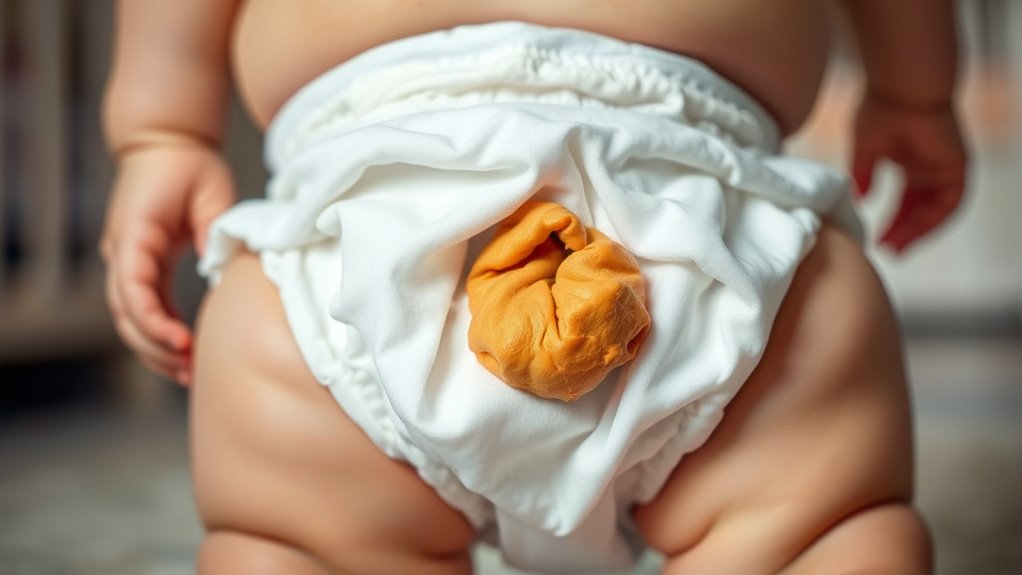
Have you ever wondered what your baby’s poop reveals about their health? As a parent, it’s natural to pay close attention to your little one’s bowel movements, especially since they can indicate how well your baby is doing. Noticing changes in color, consistency, or frequency can help you spot potential issues early. One common concern is diaper rash, which can sometimes be linked to your baby’s poop. If your baby develops redness or irritation on their skin, it might be due to frequent contact with acidic or irritating stool. Ensuring quick and gentle diaper changes, along with proper diaper cream, can help prevent diaper rash from worsening. Additionally, observing your baby’s feeding patterns plays a vital role in understanding their poop. If your baby is breastfeeding, their stool is likely to be soft, seedy, and yellowish. It’s usually quite frequent—sometimes after every feeding—because breast milk is easily digestible. Formula-fed babies may have firmer, darker stools that occur less often, but still within a normal range. Changes in feeding habits can affect stool appearance, so if your baby suddenly starts eating more or less, their poop may shift accordingly. Monitoring your baby’s stool with appropriate filtration can also help in assessing overall health and detect potential issues early.
It’s important to recognize what’s normal for your baby, but also to be aware of signs that might signal a problem. For example, if your baby’s poop becomes very watery or contains blood, or if they seem uncomfortable or distressed during bowel movements, you should consult your pediatrician. Sometimes, constipation can cause hard, pellet-like stools, while diarrhea might be a sign of infection or illness. Keep an eye on how often your baby poops; a significant decrease or increase in frequency can be a red flag. Remember, variations are common, especially as your baby’s feeding patterns change over time, but sudden or severe shifts deserve medical attention.

Desitin Maximum Strength Paste, 40% Zinc Oxide Paste, Diaper Rash Healing Ointment for Immediate Relief, Dermatologist Pediatrician Tested, Helps Heal Diaper Rash, Protects Up to 12 Hours, 4.8 Oz Tube
5-in-1 Baby Paste: Helps treat, heal, protect, soothe and help prevent diaper rash; Desitin Zinc Oxide paste seals…
As an affiliate, we earn on qualifying purchases.
As an affiliate, we earn on qualifying purchases.
Conclusion
Understanding your baby’s poop can feel overwhelming, but most variations are normal. Some parents believe that green or seedy poop signals a problem, but in reality, it’s often just your baby’s way of adjusting to new foods or formulas. Trust your instincts and consult your pediatrician if you’re ever unsure. Remember, a tiny change in color or consistency isn’t necessarily cause for concern—your baby’s unique digestive journey is part of their growth and development.

Angoily 25-30ml Stool Sample Container, 10 PCS 1 Oz Plastic Stool Cups with Spoon Lid, Vet Urine Cups Collection Kit Without Label Laboratory for Pet Dogs Puppies Chickens Horse Test Worms
Package Includes: You will receive 10 disposable stool sample container designed for safe and hygienic container and transportation…
As an affiliate, we earn on qualifying purchases.
As an affiliate, we earn on qualifying purchases.
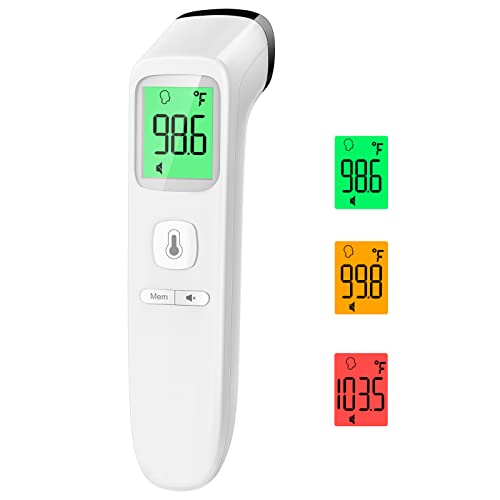
No-Touch Thermometer for Adults and Kids, Accurate Digital Baby Thermometer, Fever Alarm & Silent Mode, 2 in 1 Forehead & Object Mode
Reliable & Accurate: Goodbaby Forehead Thermometer has been clinically tested and found to be a fast and absolutely…
As an affiliate, we earn on qualifying purchases.
As an affiliate, we earn on qualifying purchases.
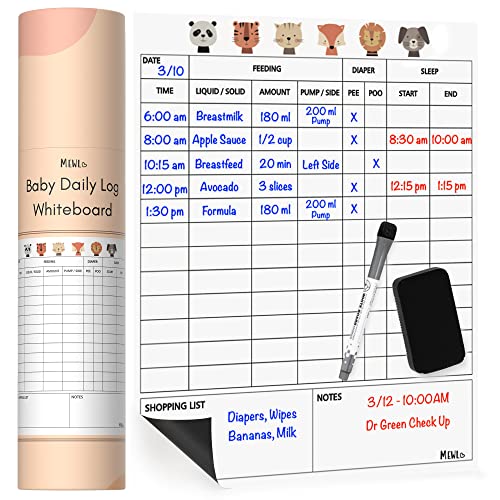
Mewl Baby Daily Log Whiteboard – Reusable Baby Tracker to Log Feeding, Diapers & Sleep – Newborn Baby Journal & Schedule Chart for New Parents, Nanny, Babysitter – Pregnancy & New Mom Gift
ALL IN ONE BABY TRACKER – Understand your baby’s routine and schedule by logging their feedings, diaper changes,…
As an affiliate, we earn on qualifying purchases.
As an affiliate, we earn on qualifying purchases.