Finding the right books on baby development can make a significant difference in understanding your child’s growth and needs. The best overall pick, The Sears Baby Book, offers comprehensive guidance from birth to age two, making it ideal for new parents seeking a reliable resource. For parents looking for data-driven insights, Cribsheet provides a relaxed, research-based approach that emphasizes confidence. Another standout is The Wonder Weeks, which focuses on understanding your baby’s behavioral shifts without overwhelm. While some books focus narrowly on milestones, others blend practical advice with emotional support, presenting a key tradeoff between detail and accessibility. Keep reading for a detailed breakdown of these top picks and what they mean for your parenting journey.

Turn the school run and nap time into listening time
- Thousands of audiobooks, podcasts and originals
- Listen on your phone, tablet or Echo — also offline
- Cancel anytime
Complete the kit


Key Takeaways
- The top-ranked book, The Sears Baby Book, offers the most comprehensive all-in-one guide for infants up to age two.
- Data-driven and research-based books like Cribsheet appeal to parents seeking evidence-backed advice with a relaxed tone.
- Books focusing on behavioral cues, such as The Wonder Weeks, help parents understand developmental leaps without overwhelming details.
- Many top books balance practical daily tips with developmental milestones, but some sacrifice depth for simplicity.
- Choosing the right book depends heavily on whether a parent prefers a broad, detailed guide or a quick, focused resource.
| The Sears Baby Book: Everything You Need to Know About Your Baby from Birth to Age Two |  | Best Overall for New Parents Seeking Comprehensive Guidance | Coverage: Birth to age 2 | Authors: Experienced pediatricians | Focus: Health, development, parenting tips | VIEW ON AMAZON | See Our Full Breakdown |
| A Child Is Born: The Fifth Edition of the Beloved Classic |  | Best for Expectant Parents Seeking In-Depth Pregnancy Insights | Edition: Fifth | Focus: Pregnancy, childbirth | Content type: Medical facts and personal stories | VIEW ON AMAZON | See Our Full Breakdown |
| The Simplest Baby Book in the World: The Illustrated, Grab-and-Do Guide for a Healthy, Happy Baby |  | Best for Visual Learners and Hands-On New Parents | Format: Illustrated, grab-and-do | Focus: Basic baby care | Target audience: First-time, visual learners | VIEW ON AMAZON | See Our Full Breakdown |
| Cribsheet: A Data-Driven Guide to Better, More Relaxed Parenting, from Birth to Preschool |  | Best for Data-Savvy Parents Wanting Evidence-Based Parenting Strategies | Range: Birth to preschool | Approach: Evidence-based, data-driven | Style: Analytical, research-oriented | VIEW ON AMAZON | See Our Full Breakdown |
| Your Baby & Child: The Classic Childcare Guide, Revised and Updated |  | Best for Caregivers Needing a Wide-Ranging, Practical Reference | Coverage: Infancy through adolescence | Approach: Practical, broad coverage | Updated: Yes, reflects modern parenting | VIEW ON AMAZON | See Our Full Breakdown |
| The Month-by-Month Baby Book: In-Depth, Monthly Advice on Your Baby’s Growth, Care, and Development in the First Year |  | Best Overall for Detailed Monthly Guidance | Pages: 320 | Author: Gary Ezzo | Publication Year: 2013 | VIEW ON AMAZON | See Our Full Breakdown |
| The First Twelve Months of Life: Your Baby’s Growth Month by Month |  | Best for Practical Growth Milestones | Pages: 200 | Author: Gary Ezzo | Publication Year: 2000 | VIEW ON AMAZON | See Our Full Breakdown |
| Mayo Clinic Guide to Your Baby’s First Years, 3rd Edition |  | Best Expert-Backed Authority on Infant Development | Pages: 480 | Edition: 3rd | Author: Mayo Clinic Staff | VIEW ON AMAZON | See Our Full Breakdown |
| Ages and Stages: A Parent’s Guide to Normal Childhood Development |  | Best for Supporting Growth from Birth to Adolescence | Pages: 350 | Author: Laura E. Berk | Publication Year: 2002 | VIEW ON AMAZON | See Our Full Breakdown |
| The Happiest Baby on the Block: Fully Revised and Updated Second Edition |  | Best for Soothing and Sleep Strategies | Pages: 192 | Edition: 2nd, Revised | Author: Harvey Karp | VIEW ON AMAZON | See Our Full Breakdown |
| Infant and Toddler Development from Conception to Age 3: What Babies Ask of Us | 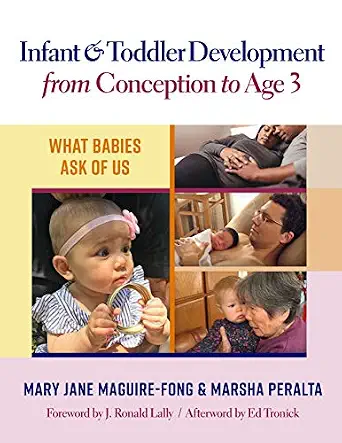 | Best for In-Depth Developmental Insights | Coverage Age Range: Conception to 3 years | Content Focus: Developmental stages and behaviors | Research-Based: Yes | VIEW ON AMAZON | See Our Full Breakdown |
| What to Expect the First Year |  | Best for Practical Newborn Care | Target Age: 0-6 months | Content Focus: Sleep, feeding, routines | Edition Year: 2026 | VIEW ON AMAZON | See Our Full Breakdown |
| The Wonder Weeks: A Stress-Free Guide to Your Baby’s Behavior | 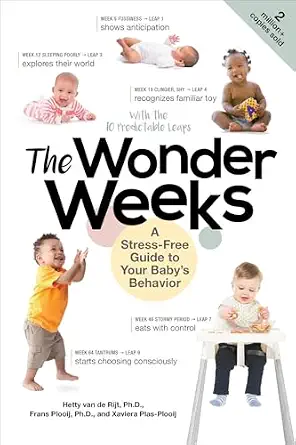 | Best for Understanding Developmental Leaps | Focus Area: Developmental leaps and behavior | Approach: Stress-free, explanatory | Content Type: Behavioral guidance | VIEW ON AMAZON | See Our Full Breakdown |
| Moms on Call Basic Baby Care 0-6 Months – Newborn Routine, Sleep & Feeding Schedule Book for First-Time Moms – 20th Anniversary Edition |  | Best for First-Time Moms Establishing Routines | Target Age: 0-6 months | Content Focus: Sleep, feeding, routines | Edition: 20th Anniversary | VIEW ON AMAZON | See Our Full Breakdown |
| books on baby development | Focus |
|---|---|
| The Sears Baby Book: Everythin | Health, development, parenting tips |
| A Child Is Born: The Fifth Edi | Pregnancy, childbirth |
| The Simplest Baby Book in the | Basic baby care |
| Cribsheet: A Data-Driven Guide | — |
| Your Baby & Child: The Classic | — |
| The Month-by-Month Baby Book: | Monthly developmental guidance |
| The First Twelve Months of Lif | Milestones and growth overview |
| Mayo Clinic Guide to Your Baby | Health and developmental guidance |
| Ages and Stages: A Parent’s Gu | Childhood developmental milestones |
| The Happiest Baby on the Block | Soothing techniques and sleep |
| Infant and Toddler Development | — |
| What to Expect the First Year | — |
| The Wonder Weeks: A Stress-Fre | — |
| Moms on Call Basic Baby Care 0 | — |
More Details on Our Top Picks
The Sears Baby Book: Everything You Need to Know About Your Baby from Birth to Age Two
This book stands out for its thorough coverage of early childhood, making it a go-to resource for new parents overwhelmed by the multitude of advice. Unlike the more concise The Simplest Baby Book in the World, it covers a wider range of topics from health to development, though it may feel dense for those wanting quick tips. Its trusted advice from seasoned pediatricians provides reassurance, but the lack of detailed technical features means it’s more of a guide than a reference manual. Compared to other books that focus on specific aspects, this offers a balanced overview that supports parents through the first two years without requiring supplementary resources.
Pros:- Extensive coverage from birth to age two, reducing the need for multiple books
- Advice grounded in pediatric expertise ensures reliability
- Practical tips tailored for new parents navigating early childhood
Cons:- Can be overwhelming due to its breadth and depth
- Lacks detailed, up-to-date scientific data or latest research
Best for: First-time parents looking for a comprehensive, all-in-one guide to infant care and development
Not ideal for: Parents who prefer quick, visual tips or highly specific technical details—they might find this too broad and detailed
- Coverage:Birth to age 2
- Authors:Experienced pediatricians
- Focus:Health, development, parenting tips
Our verdict“This guide is perfect for new parents who want a detailed, trusted reference for their baby’s first two years.”
A Child Is Born: The Fifth Edition of the Beloved Classic
This book offers a detailed look into pregnancy and childbirth, making it especially useful for parents anticipating their baby’s arrival. Compared with books like The Sears Baby Book, which focuses on postnatal care, A Child Is Born emphasizes prenatal understanding, blending medical facts with personal stories that foster a sense of connection. Its updated fifth edition ensures relevant information, but it doesn’t delve into infant care after birth, which might leave new parents needing additional resources. This makes it ideal for those in the pregnancy phase rather than immediate postpartum needs.
Pros:- Updated, comprehensive coverage of pregnancy and childbirth
- Includes personal stories that resonate deeply with expectant parents
- Medical insights combined with relatable narratives
Cons:- Limited focus on infant care and early parenting
- No practical tips for newborn care or postnatal issues
Best for: Expectant parents wanting a comprehensive, emotionally engaging overview of pregnancy and childbirth
Not ideal for: Parents seeking guidance on newborn care or early childhood development—they should look elsewhere for post-birth advice
- Edition:Fifth
- Focus:Pregnancy, childbirth
- Content type:Medical facts and personal stories
Our verdict“Ideal for those in the pregnancy stage who want a detailed, emotionally rich understanding of childbirth.”
The Simplest Baby Book in the World: The Illustrated, Grab-and-Do Guide for a Healthy, Happy Baby
This book shines for its straightforward, illustrated approach, making complex advice accessible for parents overwhelmed by detailed guides like The Sears Baby Book. Its simple language and clear visuals help new parents quickly grasp essential care routines, but it doesn’t cover advanced parenting topics or deeper developmental insights. It’s perfect for those who want quick, practical guidance, yet it might disappoint parents seeking comprehensive, in-depth information or long-term developmental strategies. Compared to more detailed guides, this is a quick reference that emphasizes ease over exhaustive content.
Pros:- Clear illustrations enhance understanding
- Simple, easy-to-follow tips reduce parental stress
- Practical guidance for daily newborn care
Cons:- Lacks detailed developmental or behavioral information
- No advanced parenting strategies included
Best for: Parents who prefer visual, easy-to-follow instructions and need quick reassurance for newborn care
Not ideal for: Parents seeking detailed developmental milestones or scientific explanations—they will need additional resources
- Format:Illustrated, grab-and-do
- Focus:Basic baby care
- Target audience:First-time, visual learners
Our verdict“Best suited for new parents who need quick, visual guidance for caring for a healthy baby day-to-day.”
Cribsheet: A Data-Driven Guide to Better, More Relaxed Parenting, from Birth to Preschool
This book appeals to parents who prefer to make decisions based on solid evidence rather than anecdotal advice, setting it apart from more traditional guides like The Sears Baby Book. It covers a broad age range, from birth through preschool, and offers scientific insights that can help reduce anxiety about parenting choices. However, its focus on data and research may feel dry or inaccessible to parents wanting quick, practical tips without delving into statistics. It’s ideal for those who enjoy analyzing information and want to feel confident in their parenting decisions, but less suited for parents seeking straightforward, step-by-step instructions.
Pros:- Provides evidence-based, scientifically supported advice
- Helps parents feel confident in decision-making
- Covers a wide age range, from birth to preschool
Cons:- May feel dense or overly technical for some readers
- Lacks practical, hands-on activity suggestions
Best for: Parents interested in research-backed advice and data-driven parenting decisions
Not ideal for: Parents who prefer quick, practical tips or hands-on approaches—they might find this too analytical
- Range:Birth to preschool
- Approach:Evidence-based, data-driven
- Style:Analytical, research-oriented
Our verdict“Ideal for analytical parents who want to base their parenting choices on research and data rather than anecdotal advice.”
Your Baby & Child: The Classic Childcare Guide, Revised and Updated
This guide offers a broad perspective on child care, from infancy through adolescence, making it useful for parents and caregivers who want a single resource covering multiple stages. Compared to The Sears Baby Book, which is more focused on infants, this book provides practical advice that extends into later childhood, but it doesn’t go into as much depth on early developmental milestones. Its updated content reflects modern parenting concerns, but it lacks detailed specifications or innovative features that some parents might seek. It’s a versatile choice for those looking for a practical, all-in-one reference, but less ideal for parents wanting highly specialized or in-depth infant care strategies.
Pros:- Comprehensive coverage across all childhood stages
- Updated, practical advice for modern parenting
- Suitable for caregivers overseeing multiple age groups
Cons:- Less detailed on early developmental milestones
- Lacks specific features or tools for infancy alone
Best for: Parents and caregivers needing a practical, broad-ranging guide for children from infancy to adolescence
Not ideal for: Parents seeking an in-depth, specialized guide solely focused on newborns or early infant development—they should opt for more targeted books
- Coverage:Infancy through adolescence
- Approach:Practical, broad coverage
- Updated:Yes, reflects modern parenting
Our verdict“Great for caregivers who want a practical, all-in-one reference for children’s care across multiple ages.”
The Month-by-Month Baby Book: In-Depth, Monthly Advice on Your Baby’s Growth, Care, and Development in the First Year
This book stands out for its comprehensive month-by-month approach, making it particularly valuable for parents who want to track their baby’s growth closely. Unlike The First Twelve Months of Life, which offers similar milestones but with less detailed guidance, this pick provides more in-depth advice tailored to each stage of the first year. However, its detailed nature can be overwhelming for parents seeking quick tips or less technical guidance. The absence of interactive tools or visuals means it’s more suited for those who prefer reading than hands-on tracking. Still, for new parents eager to understand every developmental nuance, this book offers unmatched depth.
Pros:- Extensive month-by-month guidance tailored to early development
- Helps parents understand and track milestones precisely
- Focuses on practical care tips aligned with each stage
Cons:- Lacks interactive features or visual aids
- May be too detailed for parents seeking quick references
Best for: Parents who prefer a detailed, month-by-month developmental roadmap for their infant.
Not ideal for: Parents looking for quick, easy-to-digest advice or those who want interactive tools.
- Pages:320
- Author:Gary Ezzo
- Publication Year:2013
- Focus:Monthly developmental guidance
Our verdict“This book is ideal for detail-oriented parents who want an in-depth understanding of their infant’s first-year development.”
The First Twelve Months of Life: Your Baby’s Growth Month by Month
Compared with The Month-by-Month Baby Book, this title offers a straightforward, practical overview of the first year, highlighting key milestones without extensive elaboration. It’s better suited for parents who want a quick reference rather than detailed advice, but it may leave those seeking in-depth guidance wanting more. While it covers essential growth markers, it doesn’t include additional tools or resources, making it less engaging for parents who prefer interactive content. For those primarily interested in understanding what to expect at each stage, this book fills a clear niche.
Pros:- Clear, milestone-oriented layout
- Provides practical advice aligned with development stages
- Easy to navigate for quick reference
Cons:- Limited in-depth guidance or supporting tools
- Lacks detailed explanations beyond milestones
Best for: Parents who want a concise, milestone-focused guide to their baby’s first year.
Not ideal for: Parents seeking detailed advice or supplemental resources beyond milestones.
- Pages:200
- Author:Gary Ezzo
- Publication Year:2000
- Focus:Milestones and growth overview
Our verdict“This pick makes the most sense for parents who want a straightforward milestone checklist for their infant’s first year.”
Mayo Clinic Guide to Your Baby’s First Years, 3rd Edition
This guide excels by offering trusted medical advice from Mayo Clinic, covering a broad range of health and developmental topics from infancy through toddlerhood. Unlike The Happiest Baby on the Block, which concentrates on soothing techniques, this book provides a more comprehensive overview of physical and developmental health. Its lack of specific interactive features or recent updates might make it less appealing for parents seeking the very latest strategies, but its authoritative tone makes it a reliable resource for health concerns. This book is best suited for parents wanting a medically grounded, all-in-one guide rather than quick fixes or parenting hacks.
Pros:- Provides expert advice from medical professionals
- Covers all phases of early childhood development and health
- Offers clear, evidence-based guidance
Cons:- No specific features or online updates mentioned
- Lacks interactive tools or recent revisions
Best for: Parents seeking a medically reliable, comprehensive guide through their child’s first years.
Not ideal for: Parents looking for quick calming techniques or sleep strategies without detailed health info.
- Pages:480
- Edition:3rd
- Author:Mayo Clinic Staff
- Focus:Health and developmental guidance
Our verdict“This guide is perfect for parents wanting a trustworthy, comprehensive medical reference for infant and toddler development.”
Ages and Stages: A Parent’s Guide to Normal Childhood Development
Compared to The First Twelve Months of Life, which is focused solely on the first year, this book offers a broader view of childhood development, spanning from infancy to adolescence. It’s better suited for parents who want to understand milestones across multiple stages and support their child’s growth long-term, but it may be less detailed about specific infant behaviors. Without a recent edition or user feedback, some parents might find it less current or lacking in recent research. Still, it provides a solid overview for those interested in a comprehensive developmental roadmap.
Pros:- Covers a wide range of developmental milestones
- Helpful for understanding growth through multiple childhood stages
- Supports long-term parenting strategies
Cons:- No specific edition or recent updates
- Lacks detailed reviews or recent research insights
Best for: Parents wanting a long-term developmental overview from infancy through early childhood.
Not ideal for: Parents seeking detailed, age-specific advice for infants only or quick-reference guides.
- Pages:350
- Author:Laura E. Berk
- Publication Year:2002
- Focus:Childhood developmental milestones
Our verdict“This book is ideal for parents who wish to understand their child’s growth across multiple years, not just infancy.”
The Happiest Baby on the Block: Fully Revised and Updated Second Edition
This book stands out for its practical, proven techniques to calm crying and improve sleep, making it a favorite among new parents overwhelmed by infant fussiness. Compared with the more comprehensive medical focus of Mayo Clinic Guide, this title zeroes in on soothing methods that can quickly help parents regain peace during challenging nights. Its limited scope means it doesn’t cover broader developmental topics, but for parents desperate to soothe their newborns, this book offers immediate, actionable strategies. The revised edition incorporates newer approaches suited to modern parenting challenges, but it doesn’t include interactive tools or digital resources.
Pros:- Provides highly effective calming techniques
- Updated with new sleep strategies for modern parents
- Helps improve infant sleep quality significantly
Cons:- Limited to soothing and sleep advice only
- No interactive features or supplementary tools
Best for: Parents struggling with newborn crying and sleep issues who need quick, effective techniques.
Not ideal for: Parents seeking a comprehensive developmental or health guide beyond soothing strategies.
- Pages:192
- Edition:2nd, Revised
- Author:Harvey Karp
- Focus:Soothing techniques and sleep
Our verdict“This book is perfect for parents needing immediate, proven methods to soothe their newborns and improve sleep routines.”
Infant and Toddler Development from Conception to Age 3: What Babies Ask of Us
This book stands out for its thorough exploration of the developmental stages from conception through age 3, making it ideal for parents seeking a research-based understanding of early childhood growth. Unlike What to Expect the First Year, which emphasizes practical milestones and routines, this title delves into the ‘why’ behind behaviors, offering a broader perspective on developmental needs. Its comprehensive approach helps caregivers interpret a wide range of behaviors, but it lacks specific content descriptions, which may leave some readers wanting more detailed guidance on daily caregiving. The focus on early developmental theory makes it particularly useful for those wanting a deeper foundation, though it may feel heavy for parents seeking quick tips or routine advice.
Pros:- Provides an in-depth, research-based overview of early childhood development
- Helps caregivers understand the needs and behaviors of infants and toddlers
- Useful for those wanting a deeper educational perspective on baby growth
Cons:- Lacks detailed content descriptions or practical caregiving steps
- No specific features or content breakdown provided
Best for: Parents and caregivers interested in the science and reasons behind baby behaviors and growth from conception to age 3
Not ideal for: Parents seeking quick, practical routines or step-by-step caregiving advice without a focus on developmental theory
- Coverage Age Range:Conception to 3 years
- Content Focus:Developmental stages and behaviors
- Research-Based:Yes
- Content Type:Theoretical and developmental insights
Our verdict“This book is best suited for parents wanting a comprehensive, research-driven understanding of early development stages.”
What to Expect the First Year
This book makes the most sense for new parents seeking straightforward guidance on caring for their newborn during the first year, especially with its updated content for 2026. Compared to The Wonder Weeks, which focuses on developmental leaps and behaviors, this title emphasizes milestone tracking, health tips, and parent routines, making it more practical for daily caregiving. However, it doesn’t specify detailed features or editions, which could limit its appeal for those wanting the latest or most comprehensive resource. Its focus on routines and milestone guidance helps parents establish a manageable schedule, but it may lack in-depth explanations of underlying developmental theories. This makes it ideal for the first-time parent seeking reliable, easy-to-follow advice.
Pros:- Provides clear routines for sleep, feeding, and caring for newborns
- Updated for 2026, reflecting current pediatric advice
- Practical tips for managing early parenthood challenges
Cons:- Limited focus on developmental theories or milestones
- Lacks detailed specifications or advanced content
Best for: First-time parents needing practical, routine-based guidance for newborns in their first year
Not ideal for: Parents looking for a developmental leap-focused guide or detailed scientific explanations
- Target Age:0-6 months
- Content Focus:Sleep, feeding, routines
- Edition Year:2026
- Content Type:Practical caregiving advice
Our verdict“This book is ideal for new parents wanting straightforward, practical routines for caring for their newborn during the first year.”
The Wonder Weeks: A Stress-Free Guide to Your Baby’s Behavior
This pick makes the most sense for parents wanting to demystify behavioral changes during developmental leaps, providing clear explanations and practical advice. Compared with Moms on Call, which offers routine schedules, The Wonder Weeks emphasizes understanding the reasons behind fussiness, sleep disruptions, and growth spurts, making it especially helpful during challenging phases. While it offers practical guidance, the content may vary for different babies, and there are no detailed specifications, which could limit its usefulness for parents seeking a structured plan. Its stress-free approach helps caregivers build confidence during unpredictable growth phases, but it might not be enough for parents looking for detailed routines or scientific explanations.
Pros:- Provides clear, understandable explanations of developmental leaps
- Helps parents reduce stress by normalizing behavioral changes
- Practical advice tailored to specific growth phases
Cons:- Content can vary depending on the baby, less tailored to individual needs
- No detailed specifications or structured routines included
Best for: Parents seeking to understand and navigate behavioral changes during developmental leaps with confidence
Not ideal for: Parents who want strict routines or detailed daily schedules without focusing on behavioral explanations
- Focus Area:Developmental leaps and behavior
- Approach:Stress-free, explanatory
- Content Type:Behavioral guidance
- Target Audience:Parents of infants experiencing growth phases
Our verdict“This book is best for parents wanting to understand and manage behavioral changes during developmental leaps without added stress.”
Moms on Call Basic Baby Care 0-6 Months – Newborn Routine, Sleep & Feeding Schedule Book for First-Time Moms – 20th Anniversary Edition
This pick makes the most sense for first-time moms who want clear, manageable routines for sleep and feeding during the first six months. Unlike The Wonder Weeks, which focuses on behavioral cues and developmental phases, this book emphasizes establishing consistent routines that can provide stability for both baby and parent. Its practical approach, including sample schedules, helps new mothers establish a sense of control, but it offers limited content beyond routines, lacking in-depth developmental insights or scientific explanations. The 20th Anniversary Edition ensures the advice is up-to-date, but readers seeking a broader understanding of infant development may find it somewhat narrow in scope.
Pros:- Provides clear, easy-to-follow routines for sleep and feeding
- Helpful for first-time moms establishing a manageable schedule
- Includes practical sample schedules and tips
Cons:- Limited scope, focusing mainly on routines without in-depth developmental content
- Lacks detailed explanations of growth or behavior
Best for: First-time mothers looking for straightforward routines to manage sleep and feeding in early months
Not ideal for: Parents seeking detailed developmental theory or behavioral explanations beyond routines
- Target Age:0-6 months
- Content Focus:Sleep, feeding, routines
- Edition:20th Anniversary
- Content Type:Routine-focused guidance
Our verdict“This book is ideal for first-time moms seeking structured routines to simplify early infant care.”

How We Picked
To determine the best books on baby development, I evaluated each title based on clarity, comprehensiveness, ease of use, and evidence-based content. I prioritized books that offer practical advice tailored to different parenting styles, from detailed milestone guides to more relaxed, observational approaches. The ranking also considers the target audience—whether first-time parents, experienced caregivers, or those seeking specific behavioral insights. Books that provide actionable tips without overwhelming the reader earned higher scores, while those with outdated or overly broad information were ranked lower. This approach ensures that each selected book serves a distinct purpose, helping parents find options suited to their needs and preferences.Factors to Consider When Choosing Books On Baby Development
Selecting the right book on baby development involves understanding your specific needs as a parent. Consider whether you prefer a comprehensive guide that covers all aspects of infancy or a focused resource that emphasizes behavioral cues or milestones. The clarity of language, the balance between practical advice and developmental theory, and the author’s credibility are also key factors. Keep in mind that some books are better suited for quick reference, while others serve as in-depth manuals. Understanding these differences can help you avoid common pitfalls like choosing overly technical books or those lacking current guidance. Your choice should align with your parenting style, your child’s needs, and how much time you’re willing to dedicate to reading.Comprehensiveness and Focus
Some books aim to be all-encompassing, covering everything from feeding to sleep to developmental milestones, making them ideal for parents who want a one-stop resource. Others focus narrowly on specific areas like behavioral cues or sleep routines, which can be more practical for parents needing quick, targeted advice. Deciding what level of detail suits your needs is essential, as overly broad books might be overwhelming, while narrowly focused ones could leave gaps in your understanding. Think about your comfort level with managing different aspects of baby care and choose accordingly.Ease of Use and Accessibility
A book’s readability and layout significantly impact how much you’ll actually use it. Look for titles that present information clearly, with practical tips and summaries that are easy to reference. Books that include visual aids, charts, or checklists tend to be more user-friendly, especially for busy parents. Avoid overly technical books that require prior knowledge or dense scientific language if you want quick guidance. The goal is to find a resource you can easily consult during stressful or hectic moments.Evidence-Based Content
Reliable baby development books base their advice on current research and established pediatric guidelines. Be cautious of titles that rely heavily on anecdotal stories or outdated practices. The most trusted books cite scientific studies or are authored by professionals in pediatrics or child development. This ensures that your parenting decisions are grounded in trustworthy information and reduces the risk of following advice that may be ineffective or even harmful.Target Audience and Parent Experience
Different books cater to first-time parents versus experienced caregivers. If you’re new to parenting, look for titles that introduce basic concepts clearly and provide reassurance. Seasoned parents might prefer more detailed or specialized books that cover complex developmental phenomena. Matching the book’s tone and depth to your experience level can make your reading more effective and less frustrating.Cost and Value
While some highly detailed books come with a higher price tag, they may offer more in-depth guidance. Conversely, shorter or more straightforward books tend to be budget-friendly but might lack comprehensive coverage. Consider how much time you will dedicate to reading and applying the advice—investing in a slightly more expensive, well-reviewed book can often save you time and stress in the long run.Frequently Asked Questions
How do I choose between a milestone-focused book and a behavioral guide?
Deciding whether to prioritize milestone-based books or behavioral guides depends on your parenting style and immediate needs. If you want a clear roadmap of developmental stages and age-specific expectations, a milestone-focused book will provide concrete benchmarks. However, if you prefer understanding your baby’s cues and managing their emotional needs, a behavioral guide like The Wonder Weeks can be more helpful. Many parents find that combining both types offers a balanced approach, but starting with one based on your primary concern can make your reading more targeted and less overwhelming.Are there any books that are better for quick reference?
Yes, some books are designed with busy parents in mind, featuring concise chapters, checklists, and quick tips. The Simplest Baby Book in the World, for example, emphasizes straightforward, easy-to-digest advice that can be quickly consulted during stressful moments. These titles work well for parents who prefer to avoid lengthy explanations and want practical guidance at their fingertips. However, be aware that quick-reference books might sacrifice depth and detailed explanations, so consider supplementing them with more comprehensive resources if needed.Should I choose a book written by a pediatrician or a parenting expert?
Books authored by pediatricians or child development specialists generally offer more reliable, research-based advice. These authors have a background in child health and are more likely to adhere to current guidelines, reducing the risk of outdated or inaccurate information. Parenting experts or experienced authors can also provide valuable insights, especially if they combine professional expertise with practical experience. Always check the author’s credentials and reviews to ensure the advice aligns with current pediatric standards.How often should I refer to these books during my baby’s first year?
It’s helpful to keep a few trusted books accessible throughout your baby’s first year, especially those that serve your specific concerns, like sleep routines or feeding. Regular reference can provide reassurance and practical tips during challenging phases. However, avoid over-relying on any single book—use them as guides rather than strict rules. Your baby’s development is unique, so adapt the advice to fit your child’s temperament and your family circumstances, and consult your pediatrician for personalized concerns.Are digital or online versions of these books as good as print copies?
Digital versions can be convenient and quick to access, especially when you need instant guidance during busy moments. Many offer interactive features like audio, videos, or clickable checklists, which can enhance understanding. However, some readers prefer print for easier browsing and annotation. The content quality is generally consistent across formats, but ensure any digital version is from a reputable source or publisher to avoid outdated or inaccurate information. Ultimately, choose the format that best fits your reading style and lifestyle.Conclusion
For first-time parents seeking a comprehensive overview, The Sears Baby Book remains the best overall choice due to its broad coverage and trusted reputation. Budget-conscious parents or those wanting quick, practical tips should consider The Simplest Baby Book in the World for its straightforward advice. Parents interested in understanding behavioral cues without stress might find The Wonder Weeks most helpful. For those who want an evidence-based, relaxed approach, Cribsheet offers valuable insights. If you prefer a detailed, milestone-focused guide, consider investing in a more advanced title. Your ideal pick depends on your experience level, your specific concerns, and how much time you want to dedicate to reading—matching these factors will lead to the best support for your parenting journey.Halloween Picks
halloween
As an affiliate, we earn on qualifying purchases.