

The best children’s toys pair engaging play with a good fit for a child’s age, interests, and available space. My best overall pick is the Melissa & Doug 100-Piece Wooden Building Blocks Set, thanks to its open-ended play and broad age appeal; the wooden magnetic color matching maze is a strong choice for focused early learning, while the Nex Playground suits families seeking active group play. The main tradeoffs are between screen-free and electronic play, open-ended and skill-focused toys, and compact sets versus larger play setups. No single option serves every child or household equally well. Read on for the full breakdown, ranking logic, and advice for matching a toy to your child.

Turn the school run and nap time into listening time
- Thousands of audiobooks, podcasts and originals
- Listen on your phone, tablet or Echo — also offline
- Cancel anytime
Complete the kit


Key Takeaways
- Open-ended play gives blocks an edge: The Melissa & Doug 100-Piece Wooden Building Blocks Set ranks first because children can use it for repeated, varied building rather than following one fixed activity.
- Early-learning toys work best when the activity is clear: The magnetic color maze and NASHRIO fishing game pair hands-on play with color, letter, or number practice, but are less flexible than blocks.
- Electronic play brings different tradeoffs: Nex Playground and the BMDSAE digital microscope offer active or close-up exploration, but depend more on setup, power, space, or adult help than simple screen-free toys.
- Sets serve different kinds of play: The cooking tools, wooden food, and ice-cream counter support pretend routines, while the building and writing toys leave more room for children to invent their own activities.
- Quantity is not the same as lasting value: The 30-pack squishies, four writing tablets, and eight Pop Tubes are handy for sharing or group settings, while a smaller, more focused toy may suit one child’s daily play better.


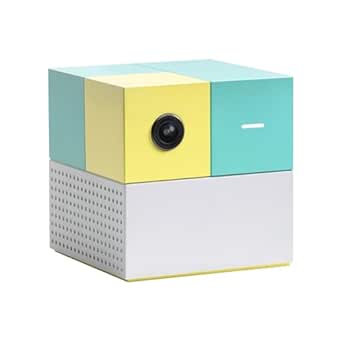


| children’s toy | Brand | Material |
|---|---|---|
| Wooden Magnetic Color Matching | TMGOT | Wood |
| NASHRIO Wooden Magnetic Fishin | NASHRIO | Wood |
| Melissa & Doug 100-Piece Woode | Melissa & Doug | — |
| 13-Piece Kids’ Cooking Set wit | Yeeammk | — |
| BMDSAE 1000× Handheld Digital | — | — |
| ArtCreativity Spinning Light-U | ArtCreativity | Plastic |
| Nex Playground Active Play Sys | — | — |
| 30 Pack Squishy Toys | — | Thermoplastic rubber (TPR) |
| FOKI Musical Floor Piano Mat f | FOKI | — |
| Mini Explorer 5-in-1 Voice Cha | Mini Explorer | — |
| Melissa & Doug Food Groups 21- | Melissa & Doug | Wood |
| iPlay | iPlay, iLearn | — |
| TQU 8.5-Inch LCD Writing Table | — | ABS |
| Nutty Toys Pop Tubes Sensory T | Nutty Toys | BPA- and lead-free plastic |
| Melissa & Doug Wooden Scoop & | Melissa & Doug | Wood |
More Details on Our Top Picks
Wooden Magnetic Color Matching Maze Puzzle for Kids
This compact puzzle earns its place for families who want a focused activity that travels easily. Its magnetic pen moves enclosed wooden pieces through a maze, giving children practice with color matching, hand-eye coordination, and problem-solving without loose pieces to gather from a car seat or waiting-room floor. The 20 double-sided pattern cards add variety and make it more guided than the open-ended Melissa & Doug 100-Piece Wooden Building Blocks Set, which is better for children who prefer inventing their own structures. At 5.7 × 8.26 inches, this is the more portable choice, but its play is also narrower: children follow patterns rather than build freely. It suits the stated 3–8 age range, though older children may outgrow the matching challenge. The product comes with no warranty, another drawback for a toy likely to travel often.
Pros:- Magnetic pen guides pieces that remain enclosed beneath the clear board
- Twenty double-sided cards provide varied, guided pattern challenges
- Compact, lightweight format is suited to travel
- Combines color recognition with fine-motor and problem-solving practice
Cons:- Pattern-based play offers less creative freedom than building blocks
- The matching challenge may feel limited to older children in its stated age range
- No warranty is provided
Best for: Caregivers of preschool and early-elementary children who want a contained, low-mess activity for car trips, appointments, or quiet time.
Not ideal for: Children who prefer open-ended construction or have outgrown color-matching activities; families seeking a toy with a stated warranty.
- Brand:TMGOT
- Material:Wood
- Dimensions:5.7 × 8.26 inches
- Recommended age:36 months–8 years
- Included components:20 double-sided cards, 1 magnetic pen, 16 wooden pieces
- Model number:NO.KH00089
- Warranty:No warranty
Our verdict“Choose this for portable, contained matching play, but pick the Melissa & Doug blocks if your child wants more open-ended building.”
NASHRIO Wooden Magnetic Fishing Game with Alphabet and Numbers
This tabletop fishing game stands out for bringing letters and numbers into active play. Children use a magnetic pole to catch marked fish, turning recognition and counting into a hand-eye coordination challenge rather than a worksheet-like task. Compared with the Wooden Magnetic Color Matching Maze Puzzle for Kids, the NASHRIO set puts more emphasis on alphabet and number practice, while the maze offers pattern cards and a more contained travel format. The fishing board measures 11.8 × 8.9 inches and is listed for indoor tabletop use, so it is better suited to a play table than a bag for outings. Its polished wood and smooth edges are appealing practical details, and the description says it uses water-based, non-toxic dye. One caution: the listed age information is inconsistent between the title and product details, so buyers should check the labeling before choosing it for a particular child.
Pros:- Pairs magnetic fishing play with letter and number recognition
- Supports counting, coordination, and fine-motor practice
- Polished wooden pieces are described as having smooth edges
- Product description states that the dye is water-based and non-toxic
Cons:- Designed for indoor tabletop play rather than use on the go
- Age guidance is inconsistent between the title and listed details
- More focused on recognition practice than open-ended play
Best for: Families with preschoolers who want a shared tabletop activity for practicing letters, numbers, colors, and counting.
Not ideal for: Caregivers seeking a travel toy or a product with a clearly consistent age recommendation; it is listed for indoor use and the age details conflict.
- Brand:NASHRIO
- Material:Wood
- Age range:36 months and up
- Set name:Alphabet & Number Fishing Game
- Number of items:1
- Item dimensions:11.8 × 8.9 × 0.6 inches
- Play location:Tabletop; indoor use
Our verdict“Pick this for indoor alphabet-and-number practice through play, but choose the magnetic maze for a more travel-friendly activity.”
Melissa & Doug 100-Piece Wooden Building Blocks Set with Storage Box
For children who make their own fun by stacking, sorting, and rebuilding, this set offers the broadest play range among these five picks. Its 100 blocks across nine classic shapes and four colors support everything from simple towers to early pattern and counting games, without directing children toward one correct result. That makes it a more flexible long-term play choice than the NASHRIO Wooden Magnetic Fishing Game, which centers on catching marked pieces and practicing recognition. The tradeoff is that blocks need more floor or table space, and cleanup involves handling many separate pieces. A cardboard storage box with a carrying handle helps, but it is less durable than a sturdier storage container may be. The set is recommended for ages 2 and up; FSC certification is listed as applying to new inventory only, so that detail may not apply to every unit.
Pros:- One hundred blocks support varied building and sorting activities
- Nine shapes and four colors open up early pattern and math play
- Open-ended construction leaves room for children’s own ideas
- Carrying handle makes the included box easier to move
Cons:- The cardboard storage box may be less durable than a rigid container
- Many separate blocks take time to gather and store
- FSC certification applies to new inventory only
Best for: Families with toddlers and preschoolers who want a versatile toy for building, sorting, counting, and imaginative play over time.
Not ideal for: Households short on play and storage space, or caregivers who want a guided activity with a clear start and finish rather than many loose pieces.
- Brand:Melissa & Doug
- Model:MND481
- Pieces:100 wooden blocks
- Colors:4
- Shapes:9 classic shapes
- Recommended age:2+ years
- Storage:Cardboard box with carrying handle
- Certification:Forest Stewardship Council (FSC); applies to new inventory only
Our verdict“Choose these blocks for adaptable, child-led play, especially if you have room for building and a plan for storing the pieces.”
13-Piece Kids’ Cooking Set with Safe Knives and Cutting Tools
This set is for children who want to take part in meal preparation, not just pretend to cook. It combines child-sized knives and cutting tools with boards, a peeler, sandwich cutters, and a crinkle cutter, giving adults several ways to include a young helper in age-appropriate kitchen tasks. Compared with the Melissa & Doug 100-Piece Wooden Building Blocks Set, it offers a more practical family activity, but it also asks for more adult involvement: the cutting tools require supervision, and this is not a toy for unsupervised play. The mix of wood, stainless steel, and food-grade polypropylene is designed for kitchen use, while the product description says the materials are BPA-free. Buyers do not get dimensions or care instructions in the supplied details, which makes it harder to judge fit, storage, and cleanup before purchase.
Pros:- Thirteen pieces cover several basic food-preparation tasks
- Small, lightweight handles are designed for children’s hands
- Encourages practical participation in family cooking
- Product description states that the materials are BPA-free
Cons:- Adult supervision is needed while children use cutting tools
- Dimensions are not provided in the supplied product details
- Care and cleaning instructions are not specified
Best for: Caregivers who want to involve children ages 3–8 in supervised food preparation and family cooking routines.
Not ideal for: Families looking for independent play, or buyers who need clear dimensions and cleaning guidance before choosing kitchen tools.
- Brand:Yeeammk
- Model:KC001
- Pieces:13
- Included items:1 wooden knife, 1 cooking knife, 3 serrated knives, 2 cutting boards, 1 Y peeler, 4 sandwich cutters, 1 crinkle cutter
- Materials:Wood, stainless steel, polypropylene
- Age range:36 months–8 years
Our verdict“Choose this for supervised kitchen participation, not as a stand-alone toy for independent play.”
BMDSAE 1000× Handheld Digital Microscope for Kids with 2.0-Inch IPS Screen
Among these picks, this microscope offers the most direct route from play to close-up exploration: children can examine specimens on a built-in 2.0-inch IPS screen and save photos or videos to revisit later. Its manual focus and eight adjustable LEDs give families control over sharpness and lighting, while the 2MP camera and USB-C transfer add a way to share images on a compatible computer. This is a more discovery-focused option than the Melissa & Doug Wooden Building Blocks Set, which encourages open-ended construction without screens or setup. The microscope asks more patience, though: manual focusing may take practice for younger children, and the stated battery life is up to two hours. Its 200g handheld body is portable, but it is a small electronic device rather than a carefree toy for rough handling. Buyers should also note the product’s limited listed 32M storage.
Pros:- Built-in screen lets children view specimens without a separate display
- Eight adjustable LEDs offer control over specimen lighting
- Can save photos and videos for later viewing or computer transfer
- Lightweight handheld design includes a lanyard and USB-C data cable
Cons:- Manual focusing may be difficult for younger users at first
- Battery life is stated as up to two hours
- Listed 32M storage may limit how much media children can keep on the device
Best for: Families with curious children who enjoy examining small objects and can handle basic focus adjustments with adult guidance.
Not ideal for: Young children who need a simple, durable, no-setup toy, or families seeking long sessions away from a charger.
- Magnification:Up to 1000×
- Camera resolution:2MP
- Screen:2.0-inch IPS
- Focus:Manual
- Lighting:8 adjustable LEDs with 3 brightness modes
- Battery:600mAh; up to 2 hours
- Storage:32M; stated capacity of 200+ photos or AVI videos
- Weight:200g
- Connectivity:USB-C data cable; compatible with Windows XP/Vista/7/8/10/11 and Mac 11.0+
Our verdict“Pick this for guided close-up exploration and saved images, but choose wooden blocks for simpler, screen-free play.”
ArtCreativity Spinning Light-Up Magic Ball Wand, Set of 2
The two-wand set is a simple pick for short bursts of imaginative and sensory play: children can spin the colorful LED balls and make their own light-show games. Having two makes it easier for siblings or party guests to join in than with the single-player Mini Explorer 5-in-1 Voice Changer, though the wand offers far less variety than that toy’s voice effects and microphone mode. Three AA batteries are included, so play can start without a separate battery purchase. The tradeoff is its narrow use: it is intended for indoor play, and its appeal centers on lights rather than building, learning, or open-ended hands-on activities. I’d choose it as a small group gift, not as the main toy for a child seeking lasting variety.
Pros:- Set of two supports shared play or party favors.
- Spinning multicolor LEDs create an immediate visual play hook.
- Three AA batteries are included.
- Prompts imaginative and sensory play.
Cons:- Indoor use only limits where children can play with it.
- Play centers on a light effect, offering less activity variety than the Mini Explorer voice changer.
- Not suitable for children under 3.
Best for: Parents or party hosts seeking a ready-to-play, two-child light-up toy for children ages 3–12.
Not ideal for: Families looking for an educational or highly varied main toy, or children who want to play outdoors.
- Brand:ArtCreativity
- Set:2 wands
- Age range:3–12 years
- Power:3 AA batteries, included
- Material:Plastic
- Color:Multicolor
- Item weight:18.14 g
- Use:Indoor
Our verdict“Choose this set for simple indoor light-up play between two children, rather than for a toy with broad activities or learning features.”
Nex Playground Active Play System for Kids and Families
The Nex Playground is the most group-oriented choice in this set: its built-in camera tracks body movements, letting up to four players join games without holding controllers. That makes it a better fit for energetic living-room play than the FOKI Musical Floor Piano Mat, which offers movement and sound but is designed around one player’s interaction with the mat. Nex connects to a TV or projector over HDMI and includes five games, including Fruit Ninja and Party Fowl. The main limitation is the gap between included content and the fuller catalog: more games and monthly releases require a separate Play Pass subscription. It also needs an indoor screen setup and corded power, so it is less portable than the foldable FOKI mat. I’d pick it for families who want shared movement games, not a standalone toy for travel.
Pros:- Body-motion controls let players move without handheld controllers.
- Supports up to four players for shared family play.
- Includes five games and connects to a TV or projector through HDMI.
- Described as kid-safe, with no ads or mature content.
Cons:- Additional games and monthly releases require a separate Play Pass subscription.
- Indoor use and a TV or projector setup limit portability.
- Corded electric power means it needs access to an outlet.
Best for: Families with an HDMI-equipped TV or projector who want active, controller-free games for up to four players aged 5 and up.
Not ideal for: Buyers seeking a portable toy, a screen-free activity, or access to a broad game catalog without a separate subscription.
- Players:Up to 4
- Controller:No controller required
- Included games:Fruit Ninja, Starri, Whac-a-Mole, Go Keeper, and Party Fowl
- Connection:HDMI
- Camera:Built-in wide-angle motion-tracking camera
- Storage:64 GB
- Recommended age:5 years and up
- Power:Corded electric
- Use:Indoor
Our verdict“Choose Nex for group movement games on a home screen, but skip it if subscription-free variety or portability matters most.”
30 Pack Squishy Toys, Kawaii Mochi Squishies Party Favors for Kids (Ages 4-12), Treasure Box Classroom Gifts, Mini Animal & Fruit Stress Relief Sensory Toys
This 30-piece assortment is built for sharing: individual wrapping and a gift box make it easier to hand out as classroom prizes or party favors than the ArtCreativity two-wand set, which provides just two toys. The soft TPR pieces offer a quiet tactile activity that children can squeeze, and the animal-and-fruit theme gives the assortment more visual variety than a single sensory toy. The tradeoff is that designs are randomly assorted, so buyers cannot select favorites or guarantee a particular mix. At roughly one inch across, the squishies are also easy to misplace, making them less suitable for settings where small toys are hard to keep track of. The listing describes the material as latex-, phthalate-, and BPA-free; that does not make these a fit for every child or setting. I’d choose this for supervised group distribution, not as a durable centerpiece toy.
Pros:- Thirty individually wrapped pieces suit classroom prizes and party favors.
- Soft TPR provides a quiet, hands-on squeezing activity.
- Animal and fruit shapes add variety across the assortment.
- Material is listed as latex-free, phthalate-free, and BPA-free.
Cons:- Random designs prevent buyers from choosing specific shapes.
- Small pieces can be easy to lose.
- Offers less shared, active play than the Nex Playground.
Best for: Teachers, caregivers, and party hosts who need individually wrapped, small sensory gifts for children ages 3–12.
Not ideal for: Families who want specific character designs, larger toys that are easy to keep track of, or a single activity toy for extended play.
- Age range:36 months–12 years
- Unit count:30 pieces
- Material:Thermoplastic rubber (TPR)
- Material details:Latex-free, phthalate-free, BPA-free
- Theme:Animal and fruit
- Color:Mixed
- Item weight:8 ounces
- Item dimensions:5.9 x 3.4 x 3.4 inches
Our verdict“Pick this bulk set for distributing small tactile toys to a group, but choose another option if size, specific designs, or sustained play matter more.”
FOKI Musical Floor Piano Mat for Babies and Toddlers
The FOKI piano mat gives babies and toddlers a way to explore sound through movement, with piano keys, animal sounds, melodies, and five play modes. Its broad age recommendation—from 3 months to 5 years—makes it a more early-childhood-focused pick than the Nex Playground, which starts at age 5 and relies on a TV or projector. Eight included music cards add a guided element for children ready to follow numbered notation, while the foldable fabric design is easier to store than a fixed play setup. The mat’s tradeoffs are practical: it needs three AA batteries that are not included, and it is for indoor use. It also offers a different kind of play from the Mini Explorer voice changer: movement and musical sounds rather than pretend performances. I’d choose FOKI for floor-level sensory and music exploration, not for older children seeking a group game.
Pros:- Five modes combine piano keys, animal sounds, and children’s melodies.
- Eight music cards introduce numbered notation.
- Folds for storage or travel and wipes clean.
- Age recommendation spans babies through preschoolers.
Cons:- Three AA batteries are required and not included.
- Indoor use limits where the mat can be played.
- Less suited to older children than the Nex Playground’s multiplayer games.
Best for: Caregivers of babies and toddlers who want an indoor, movement-based introduction to musical sounds and simple melodies.
Not ideal for: Older children seeking complex games, families who need an outdoor activity, or buyers who do not want to provide batteries.
- Brand:FOKI
- Recommended age:3 months–5 years
- Mat dimensions:39.3 x 14.2 inches (100 x 36 cm)
- Weight:0.39 kg
- Play modes:5
- Sounds and melodies:8 animal sounds, 8 piano keys, and 16 children’s melodies
- Batteries:3 AA batteries required, not included
- Included components:Musical piano mat, 8 animal music cards, and manual
- Use:Indoor
Our verdict“Choose FOKI for young children exploring music through movement, provided you have batteries and an indoor floor space.”
Mini Explorer 5-in-1 Voice Changer for Kids
With four voice effects plus a standard microphone mode, the Mini Explorer encourages children to turn ordinary talk into characters, skits, and performances. Its adjustable volume and echo provide some control over the sound, while colorful lights and a carrying strap support play on the move around the house. Compared with the ArtCreativity Spinning Light-Up Magic Ball Wand, this toy offers more ways to invent a game; compared with the Nex Playground, it does not need a TV, multiple players, or an HDMI setup. That simplicity comes with limits: it is built around audio play, so it will not suit children who prefer quiet toys or tactile activities. It is also rechargeable, which means it needs charging before use, and the material is not specified. I’d choose it for a child who enjoys speaking, role-play, or putting on a show.
Pros:- Four voice effects add variety beyond standard microphone play.
- Standard mode amplifies a child’s voice.
- Adjustable volume and echo allow some sound control.
- Rechargeable by included USB cable and fitted with a carrying strap.
Cons:- Needs charging before first use.
- Sound effects and amplification may not suit quiet-play settings.
- Material is not specified.
Best for: Children aged 3 and up who enjoy pretend characters, speaking into a microphone, or staging small performances.
Not ideal for: Families seeking quiet, screen-free sensory play or a toy that is ready to use without charging.
- Brand:Mini Explorer
- Age range:3 years and up
- Voice modes:Alien, ghost, monster, robot, and standard microphone
- Power:Rechargeable battery
- Charging:USB cable included
- Controls:Adjustable volume and echo
- Included components:Charging cable and voice changer
- Dimensions:6 x 4.1 x 6 inches
- Color:Blue, multicolored
Our verdict“Choose the Mini Explorer for children who like making characters and performing, but skip it if quiet play or tactile activities are a better fit.”
Melissa & Doug Food Groups 21-Piece Wooden Play Food Set
This set is the strongest pick here for children who like arranging and categorizing as much as serving pretend meals. Its 21 wooden foods represent five food groups, and the four crates give sorting a clear, hands-on purpose while inviting practice with colors and counting. Compared with the Ice Cream Counter, it offers broader food variety but less of a ready-made role-play scenario: there’s no counter, menu, or serving routine. The wooden pieces suit repeated play, though they may feel less varied than toys with lights, sounds, or moving parts. I’d choose it for preschoolers who enjoy food-themed play and simple classification; families seeking a more elaborate shop setup may prefer the 28-piece Ice Cream Counter. The manufacturer lists no warranty.
Pros:- Foods from five groups support varied pretend meals and sorting activities
- Four crates give children a practical way to group and put away pieces
- Wooden components support repeat play
- Sorting and food variety can prompt practice with colors, counting, and nutrition
Cons:- Does not include a counter, utensils, or serving accessories for a more structured role-play setup
- No manufacturer warranty is listed
Best for: Preschoolers who enjoy sorting pretend groceries, naming foods, and practicing basic counting with an adult or sibling
Not ideal for: Children who want a complete pretend shop or lots of interactive movement, since the set focuses on food pieces and sorting rather than a built-in play scene
- Pieces:21
- Material:Wood
- Food groups:Five
- Storage:4 wooden crates
- Recommended age:24 months–5 years
- Brand:Melissa & Doug
- Model number:271
Our verdict“Choose this wooden food set for preschoolers who enjoy organizing pretend groceries, but pick the Ice Cream Counter for a more complete serving game.”
iPlay, iLearn Rocket Space Building Toy with Electric Drill and 2 Astronauts
The rocket stands apart from the food and drawing toys in this group by combining assembly with a ready-made space-play theme. Children can use the battery-powered drill to put together detachable sections, then continue with two astronauts, lights, and simulated sounds. That makes it a more theatrical choice than the Melissa & Doug wooden blocks, which leave the build and story entirely open-ended; in return, this rocket offers fewer ways to redesign the finished structure. Its listed age range reaches 8, so it may suit children who have outgrown simpler sensory play, though the actual assembly challenge is not specified. Battery details and construction materials are also absent from the supplied information. I’d pick it for a child drawn to space and tool-style play, not for families who want quiet, material-specific building toys.
Pros:- Electric drill makes assembly part of the play rather than just setup
- Detachable rocket sections support hands-on building
- Two astronauts help start imaginative space scenarios
- Lights and simulated sounds add effects to pretend missions
Cons:- Requires batteries, but the supplied product details do not specify which ones
- Materials are not specified in the supplied description
- The four-piece rocket format offers less open-ended rebuilding than a general building set
Best for: Children ages 3–8 who are excited by rockets, pretend astronauts, and hands-on assembly with an interactive finish
Not ideal for: Families seeking quiet, open-ended construction or clear information about materials and battery requirements
- Number of pieces:4
- Included astronauts:2
- Included tool:Battery-powered electric drill
- Interactive features:Lights and simulated sound effects
- Recommended age:36 months–8 years
- Dimensions:7.48 × 7.09 × 14.57 inches
- Weight:1.3 kg
- Brand:iPlay, iLearn
Our verdict“Choose this rocket for a space-loving child who wants assembly and sound effects, but pick wooden blocks for more open-ended building.”
TQU 8.5-Inch LCD Writing Tablets for Kids, 4-Pack
For families who need several children occupied at once, this four-pack offers a practical alternative to a single shared toy. Each 8.5-inch LCD tablet has its own stylus, erase button, and screen lock, so one child can keep a drawing while another starts fresh. Compared with the Nutty Toys Pop Tubes, the tablets encourage quieter drawing and early writing rather than tactile, sound-making fidget play. Their reusable screens suit car trips and quick activities, but they do not offer the open-ended material play of blocks or a pretend-food set. The lock switch helps preserve work between stops; the CR2 battery requirement and one-month warranty are drawbacks for a set intended for regular use. I’d choose these for siblings or travel bags, especially when portability matters more than varied play modes.
Pros:- Four tablets let siblings or small groups draw at the same time
- One-button erasing makes repeated use straightforward
- Screen-lock switches help protect drawings during transport
- Styluses store on the boards, and the lightweight format suits travel
Cons:- Requires a CR2 battery
- The listed warranty is only one month
- Drawing activities may feel limited beside toys with building pieces or pretend-play accessories
Best for: Families with multiple preschoolers or caregivers who want compact drawing and early-writing activities for travel
Not ideal for: Children who prefer hands-on construction, pretend play, or physical sensory toys over drawing on a screen
- Quantity:4 tablets
- Screen size:8.5 inches
- Colors:Blue, light blue, green, and pink
- Material:ABS
- Power:1 CR2 battery required
- Minimum recommended age:36 months
- Warranty:One month
Our verdict“Choose this set for portable, shared drawing and writing, but pick Pop Tubes for children seeking tactile play away from screens.”
Nutty Toys Pop Tubes Sensory Toys, 8-Pack
These tubes are the simplest, most movement-focused option in this batch: children can stretch, bend, connect, and pull them apart to make a popping sound. The eight-piece pack gives siblings or a group more than one tube to handle, unlike the TQU tablet set, which centers on drawing and quiet screen activity. That tactile and auditory play can keep hands busy without needing a fixed game or instructions. The tradeoff is that the sound may become distracting in a quiet room, and the product details give no dimensions, making it hard to judge how large the tubes are for storage or small hands. Compared with the rocket, Pop Tubes offer less of a themed story but require no assembly or described electronic features. I’d choose them for flexible fidgeting and group play, with some allowance for noise.
Pros:- Eight tubes allow individual play or sharing
- Flexible pieces can stretch, bend, and connect
- Popping sounds add an auditory element to tactile play
- BPA- and lead-free plastic is specified
Cons:- Popping sounds may be disruptive in quiet settings
- No tube dimensions are provided
- Offers less structured or themed play than the rocket and pretend-food sets
Best for: Caregivers seeking a simple, shareable tactile toy for children ages 3 and up who enjoy bending, connecting, and sound-making play
Not ideal for: Families who need a quiet toy or want to know exact tube dimensions before buying
- Pack size:8 tubes
- Age range:3 years and up
- Material:BPA- and lead-free plastic
- Play features:Stretching, bending, connecting, and popping sounds
- Educational objectives:Auditory, sensory, and tactile development
- Warranty:2 years
- Brand:Nutty Toys
Our verdict“Choose Pop Tubes for low-instruction sensory and fidget play, but choose the LCD tablets if quiet travel activities matter more.”
Melissa & Doug Wooden Scoop & Serve Ice Cream Counter Pretend Play Set, 28 Pieces
This is the most complete role-play setup in the group: children can scoop, add toppings, take an order from the menu, and handle play money at a wooden counter. Its 28 pieces create a sequence of activities that goes beyond the sorting focus of the Food Groups set, which has more food variety but no serving station or sales routine. The counter also works as storage, giving the many accessories a designated home. That breadth comes with a tradeoff: small pieces may not suit children under 3, and the set is intended for ages 3–6, so it is less appropriate for toddlers than the food set’s stated starting age of 24 months. It also has no manufacturer warranty listed. I’d choose this for preschoolers who enjoy playing shop or serving family members; children seeking a compact, low-piece-count toy may find it cumbersome.
Pros:- Counter, menu, money, and serving tools create a full pretend-shop routine
- Eight scoops and six toppings offer choices for imaginative orders
- Play can involve counting, memory, and hand-eye coordination
- Counter doubles as storage for the set
Cons:- Small accessories may be unsuitable for children under 3
- No manufacturer warranty is listed
- More components require storage and supervision than the Food Groups set
Best for: Children ages 3–6 who enjoy role-playing as servers or shopkeepers and have an adult available to supervise small accessories
Not ideal for: Children under 3, or families who prefer a compact toy with fewer accessories to manage
- Set size:28 pieces
- Material:Wood
- Recommended age:36 months–6 years
- Included components:Ice cream counter, 8 scoops, 6 toppings, 2 cones, cup, scooper, tongs, spoon, menu card, and 6 bills
- Storage:Counter doubles as a storage box
- Brand:Melissa & Doug
- Model number:9286
Our verdict“Choose this set for preschoolers who want a detailed ice-cream shop game, but pick the Food Groups set for simpler sorting and broader food categories.”

How We Picked
I compared these 15 options by asking how well each fits a real play need: open-ended creativity, early learning, active movement, sensory play, pretend play, or practical sharing. I considered age and skill fit, how easily a child can start and repeat the activity, the role of adult supervision, storage and setup demands, and whether the toy offers varied play or mainly repeats one action. I also weighed versatility against specialization: a focused toy can be a better match for a child’s current interest, while an adaptable one may suit more play sessions.
The ranking favors toys with broad play potential, accessible use, and a clear purpose without demanding much space or setup. That puts the Melissa & Doug building blocks first as the most flexible pick, with the magnetic maze and fishing game following for hands-on learning. Electronic and larger-scale options rank lower not because they lack appeal, but because their fit depends more on a child’s interests, household setup, or adult involvement. Multi-piece pretend-play and sensory sets remain useful for specific needs, though their value depends on how often the child returns to that style of play.
| children’s toy | Material |
|---|---|
| Wooden Magnetic Color Matching | Wood |
| NASHRIO Wooden Magnetic Fishin | Wood |
| Melissa & Doug 100-Piece Woode | — |
| 13-Piece Kids’ Cooking Set wit | — |
| BMDSAE 1000× Handheld Digital | — |
| ArtCreativity Spinning Light-U | Plastic |
| Nex Playground Active Play Sys | — |
| 30 Pack Squishy Toys | Thermoplastic rubber (TPR) |
| FOKI Musical Floor Piano Mat f | — |
| Mini Explorer 5-in-1 Voice Cha | — |
| Melissa & Doug Food Groups 21- | Wood |
| iPlay | — |
| TQU 8.5-Inch LCD Writing Table | ABS |
| Nutty Toys Pop Tubes Sensory T | BPA- and lead-free plastic |
| Melissa & Doug Wooden Scoop & | Wood |
Factors to Consider When Choosing Best Children’s Toys
Rather than choosing by age label or piece count alone, I’d match a toy to the way a child already likes to play. These broader checks can help distinguish a lasting fit from a set that is exciting at first but awkward to use at home.
Match the toy to the kind of play your child repeats
Watch whether a child tends to build, sort, act out familiar routines, move around, make marks, or seek tactile input. A toy that supports an existing play habit is more likely to be used than one chosen only for its learning claims. Open-ended toys can suit children whose interests shift, while a focused puzzle or activity may be more satisfying for a child who likes a clear goal. Avoid assuming that every child wants a toy that teaches letters or numbers. If you are choosing a gift, a flexible play style is often a safer bet than a narrow theme.
Read age guidance as a starting point, not a full fit test
Age labels help flag small parts, complexity, and intended skill level, but children in the same age range can differ widely in coordination and attention. Look at what the child must actually do: hold small pieces, follow multiple steps, use a tool, or manage an electronic interface. A toy that is too simple may lose appeal quickly; one that asks for skills the child has not developed can lead to frustration or require constant adult help. For younger children, check warnings and supervise play where the design calls for it. When buying ahead, choose a toy that offers more than one way to play as skills grow.
Count setup and cleanup as part of play
A toy can be engaging yet rarely used if it needs a large floor area, frequent setup, charging, or sorting after every session. Before buying, consider where it will be played and whether its pieces have a practical place to go. Sets with many small components may suit a dedicated play area better than a shared living space. Electronic toys can add movement or discovery, but they may bring extra setup and dependence on power or compatible equipment. A compact activity that children can start and put away themselves can earn more everyday use than a larger, feature-rich option.
Choose between focused practice and open-ended play
Skill-focused toys can make a particular activity easy to understand, which helps when a child enjoys matching, counting, or solving a defined task. Their limitation is that play may follow a narrow path once the child has mastered it. Open-ended toys invite different outcomes, though they may need a child who enjoys inventing their own games or an adult who helps get play started. Neither style is automatically better; the right choice depends on whether the child prefers clear goals or self-directed play. A useful household mix can include both rather than expecting one toy to meet every need.
Look beyond piece count when judging value
Large packs can be useful when several children need an activity, small gifts are required, or pieces are likely to be shared. But more pieces do not necessarily mean more varied play, and they can create storage and cleanup work. Ask whether the set supports different activities, can be replenished if pieces go missing, and will be used by one child or a group. A smaller, thoughtfully matched toy may get more repeat use than a larger assortment. For multi-child households, also check whether the toy allows children to play together or invites disputes over a limited number of favorite pieces.
Treat supervision and materials as part of the decision
Tools, small components, electronics, and toys used near the mouth can call for different levels of adult oversight. Read the maker’s age guidance and instructions, and check what parts contact food, skin, or other surfaces during play. A child using pretend cooking tools, for example, needs a different kind of supervision from one building with large blocks. Think about whether adults can provide that supervision during the times the toy will actually be used. Choosing a toy that fits your household’s routines can matter as much as choosing one that fits the child’s interests.
Frequently Asked Questions
Which of these toys is the best starting point if I do not know the child’s interests?
I’d start with the Melissa & Doug building blocks because building can shift from simple stacking to more involved designs without relying on one theme. That flexibility makes them a less specific gift than the ice-cream counter, cooking set, or rocket toy. The blocks still take storage space, so they may not suit a small home. If the child is very young, check the maker’s age guidance and whether adult supervision is needed. For a child who enjoys clear tasks more than free play, the magnetic maze may be a better fit.
Which options are most suitable for a classroom, party, or group of children?
The 30-pack squishies, four LCD writing tablets, and eight Pop Tubes are the most naturally suited to handing activities out across a group. Their multiple units can reduce turn-taking, though the pieces still need to be managed and stored. For a shared activity with movement, Nex Playground offers a different kind of group play but depends on having the right space and setup. Consider the age range and any small-part guidance before using items with a mixed-age group. For a quiet classroom activity, writing tablets may be easier to supervise than toys designed for energetic play.
Should I choose an electronic toy or a screen-free toy?
Choose based on the kind of play you want to encourage, not a blanket rule that one format is better. Nex Playground is designed for active play, and the digital microscope supports close-up exploration; both have more setup demands than a maze, blocks, or writing tablet. Screen-free toys often let a child begin more independently and may be easier to use in varied locations. Electronic options can still be a good fit when a child is drawn to movement or observation and an adult can help with setup. Check device, power, and space requirements before making the choice.
How can I tell whether a toy will hold a child’s interest after the first few days?
No toy can promise lasting interest, but play that allows new challenges or stories has more ways to stay fresh. Blocks can be rebuilt in different forms, while pretend-food sets can support changing roles and routines. A toy centered on one repeated action may suit a child who loves that action, but it can be less adaptable if their interests change. Think about whether the child already returns to similar activities, rather than relying on how exciting a toy looks in a product listing. If possible, choose a toy that can be combined with items the child already owns.
What should I check before buying a toy for a younger child?
Start with the manufacturer’s age guidance and warnings, especially for toys with small pieces, tools, or electronic components. Check whether the child can grasp, operate, or assemble the parts without frustration and whether an adult needs to remain nearby. Also think about where play will happen: a large active-play setup may not suit a small room, while loose pieces need a cleanup plan. If the child may mouth toys, review the maker’s instructions and materials information rather than relying on appearance alone. A simpler activity with clear, age-appropriate handling can be a better fit than a more feature-heavy set.
Conclusion
For a broad-use choice, I recommend the Melissa & Doug 100-Piece Wooden Building Blocks Set as best overall: its open-ended play gives it wider use than the more specialized picks. For best value by versatility, the same blocks are the strongest fit; for a lower-commitment early-learning option, choose the wooden magnetic color matching maze. The best premium-style pick for active family play is Nex Playground, provided your home has the space and setup it calls for. For beginners who benefit from a clear, hands-on activity, the magnetic maze is a sensible starting point. For specific needs, choose the NASHRIO fishing game for letter and number practice, the writing tablets for shared drawing, or the pretend-food sets for role-play. Match the toy to the child’s habits and your available space, and the right choice becomes much clearer.