For a well-rounded introduction to gardening, We Are the Gardeners is my best overall pick, pairing a family gardening story with practical encouragement. My First Book of Growing Food suits toddlers who need simple, age-friendly ideas, while How to Garden for Kids is a stronger match for children ready to follow growing instructions. The main choice is between a book that inspires curiosity, explains plant science, or guides a child through a real growing project. Age, reading level, and whether you want a picture book or a reference guide matter as much as the gardening topic. Read on for the full breakdown and help matching a book to your child.

Turn the school run and nap time into listening time
- Thousands of audiobooks, podcasts and originals
- Listen on your phone, tablet or Echo — also offline
- Cancel anytime
Complete the kit


Key Takeaways
- We Are the Gardeners stands out as the most balanced pick for families who want a story that can encourage children to garden together.
- My First Book of Growing Food is aimed at toddlers, while hands-on guides such as How to Garden for Kids make more sense for children ready to follow steps.
- The list spans very different formats: narrative picture books, plant-life explanations, visual reference books, and practical growing guides.
- From Seed to Plant and The Tiny Seed foreground plant growth and nature, but they are not substitutes for detailed project instructions.
- A child’s age and interest should guide the choice: a broad plant encyclopedia can satisfy a curious reader, but may be less useful for a child who wants to plant something now.
| Up in the Garden and Down in the Dirt: Nature Book for Kids, Gardening and Vegetable Planting |  | Best for Exploring Garden Life | Format: Children’s book | Main topics: Nature, gardening, and vegetable planting | Approach: Illustrated story with simple text | VIEW LATEST PRICE | See Our Full Breakdown |
| The Tiny Seed |  | Best for Introducing Plant Growth | Format: Children’s book | Story subject: A tiny seed growing into a flower | Learning themes: Growth, patience, and perseverance | VIEW LATEST PRICE | See Our Full Breakdown |
| Let’s Get Gardening |  | Best for Practical Gardening Topics | Title: Let’s Get Gardening | Format: Not specified | Content type: Gardening tips and techniques | VIEW LATEST PRICE | See Our Full Breakdown |
| Plant It! Grow It, Eat It: Storybook with Gardening Facts for Children |  | Best for Toddlers and Preschoolers | Format: Large board book | Stated age range: 18 months to 6 years | Content: Storybook with gardening facts | VIEW LATEST PRICE | See Our Full Breakdown |
| My First Book of Growing Food: Grow Herbs and Veggies with this Eco-Friendly Book for Toddlers |  | Best for Toddler-Friendly Food Growing | Format: Book | Intended audience: Toddlers | Growing topics: Herbs and vegetables | VIEW LATEST PRICE | See Our Full Breakdown |
| From Seed to Plant |  | Best for Following the Growing Process | Format: Book; specific format not provided | Subject: Growing plants from seeds | Topics: Planting, nurturing, and harvesting | VIEW LATEST PRICE | See Our Full Breakdown |
| We Are the Gardeners |  | Best for Family Gardening and Teamwork | Format: Children’s book; specific format not provided | Subject: Children and gardening | Core themes: Curiosity, responsibility, and teamwork | VIEW LATEST PRICE | See Our Full Breakdown |
| The Secret World of Plants: Tales of More Than 100 Remarkable Flowers, Trees, and Seeds |  | Best for Plant Stories and Discovery | Format: Book; specific format not provided | Subject: Plant stories and botany | Plant coverage: More than 100 flowers, trees, and seeds | VIEW LATEST PRICE | See Our Full Breakdown |
| Trees, Leaves, Flowers & Seeds: A Visual Plant Encyclopedia for Kids | 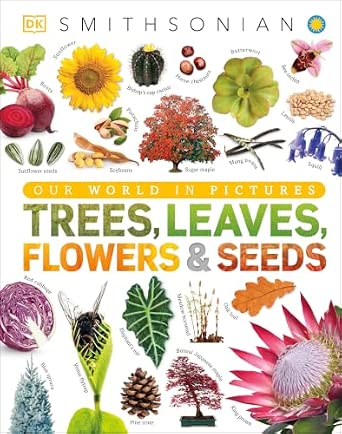 | Best Visual Reference for Young Plant Fans | Format: Visual plant encyclopedia; specific physical format not provided | Intended audience: Kids | Topics: Trees, leaves, flowers, and seeds | VIEW LATEST PRICE | See Our Full Breakdown |
| Messy McFarlen’s Tomato Garden: A Fun New Picture Book About Gardening |  | Best for a First Vegetable-Garden Story | Format: Picture book | Subject: Gardening | Story focus: Messy McFarlen’s tomato garden | VIEW LATEST PRICE | See Our Full Breakdown |
| Hello, World! Garden Time: A Book of Plants and Gardening for Kids |  | Best for First Gardening Concepts | Title: Hello, World! Garden Time: A Book of Plants and Gardening for Kids | ASIN: 0593428218 | Format: Not provided | VIEW LATEST PRICE | See Our Full Breakdown |
| How to Garden for Kids: Gardening for Every Kid |  | Best for Flexible Family Activities | Title: How to Garden for Kids: Gardening for Every Kid | ASIN: B0G1CN7WDN | Format: Not provided | VIEW LATEST PRICE | See Our Full Breakdown |
| gardening books for kid | Format | Subject |
|---|---|---|
| Up in the Garden and Down in t | Children’s book | — |
| The Tiny Seed | Children’s book | — |
| Let’s Get Gardening | Not specified | — |
| Plant It! Grow It | Large board book | — |
| My First Book of Growing Food: | Book | — |
| From Seed to Plant | Book; specific format not provided | Growing plants from seeds |
| We Are the Gardeners | Children’s book; specific format not provided | Children and gardening |
| The Secret World of Plants: Ta | Book; specific format not provided | Plant stories and botany |
| Trees | Visual plant encyclopedia; specific physical format not provided | — |
| Messy McFarlen’s Tomato Garden | Picture book | Gardening |
| Hello | Not provided | Plants and gardening |
| How to Garden for Kids: Garden | Not provided | Gardening tips and activities |
More Details on Our Top Picks
Up in the Garden and Down in the Dirt: Nature Book for Kids, Gardening and Vegetable Planting
Up in the Garden and Down in the Dirt suits families who want a story-led introduction to gardening and the natural world, rather than a step-by-step planting manual. Its focus on life above and below the soil gives children a way to think about a garden as an ecosystem, while the illustrations and simple text support shared reading. Compared with The Tiny Seed, which follows one seed’s journey, this book points attention toward the broader garden environment. That makes it a stronger fit for curious kids who enjoy noticing plants and outdoor life, but the available information does not identify specific projects or gardening instructions. Buyers seeking a practical activity guide may prefer a how-to title instead.
Pros:- Connects gardening with the wider natural world
- Illustrations help hold young readers’ attention
- Simple text supports shared reading
- Encourages children to explore outdoors
Cons:- Specific activities and planting instructions are not described
- The intended age range is not provided
Best for: Families looking for an illustrated read-aloud that can prompt outdoor observation and conversations about gardens.
Not ideal for: Children who want detailed planting steps, specific projects, or a clearly stated age range.
- Format:Children’s book
- Main topics:Nature, gardening, and vegetable planting
- Approach:Illustrated story with simple text
- Illustrations:Engaging illustrations
- Learning focus:Natural world and gardening
- Activity emphasis:Encourages outdoor activity
Our verdict“Choose this for a nature-focused garden story, but pick a practical how-to book if your child wants direct planting guidance.”
The Tiny Seed
The Tiny Seed makes plant growth approachable through a seed’s journey into a flower, with the story emphasizing patience and perseverance. That narrative focus gives younger children an easy way to follow change over time, even before they are ready for gardening directions. Compared with Up in the Garden and Down in the Dirt, which takes a broader view of garden life, this book centers on one plant’s development. It is a good choice for a first conversation about how plants grow, but it is not presented as a hands-on guide and the supplied details mention no projects or supplemental material. Families hoping to plant seeds alongside the reading may want a more activity-focused companion.
Pros:- A single seed’s journey gives the story a clear focus
- Introduces themes of growth, patience, and perseverance
- Vibrant illustrations support young readers
- Works well as a story-led introduction to plants
Cons:- No specific gardening projects or supplemental activities are described
- Edition details are not provided
Best for: Parents and educators introducing young children to the idea that seeds grow and change over time.
Not ideal for: Families seeking gardening instructions, planting activities, or information about a specific edition.
- Format:Children’s book
- Story subject:A tiny seed growing into a flower
- Learning themes:Growth, patience, and perseverance
- Illustrations:Vibrant illustrations
- Supplemental content:No supplemental features specified
- Edition details:Not specified
Our verdict“Pick this for a simple, story-based introduction to plant growth rather than a guide to gardening tasks.”
Let’s Get Gardening
Let’s Get Gardening is the most practical-leaning choice in this group: its description promises gardening tips and techniques, with material framed for both beginners and experienced gardeners. That breadth may appeal to families who want more than a plant-growth story, but it also leaves a key question unanswered for a kids’ roundup: the supplied information does not explain how the advice is adapted for children. Compared with Plant It! Grow It, Eat It, which is specifically described as a children’s board book about gardening and healthy eating, this title has less clearly defined age and format information. I would shortlist it when practical guidance is the priority, while checking the book’s intended audience before buying it for a young child.
Pros:- Description emphasizes practical gardening tips and techniques
- Covers various gardening methods
- Aims to suit beginner and experienced gardeners
- More advice-oriented in concept than story-led titles such as The Tiny Seed
Cons:- The child-specific approach and intended age range are not given
- The available details do not identify particular techniques or projects
Best for: Families with older children or shared gardening projects who want a book described as covering practical methods and tips.
Not ideal for: Adults buying specifically for toddlers or preschoolers who need a clearly identified child-friendly format and age range.
- Title:Let’s Get Gardening
- Format:Not specified
- Content type:Gardening tips and techniques
- Methods:Various gardening methods
- Stated skill range:Beginners and experienced gardeners
- Age range:Not specified
Our verdict“Consider this when practical gardening advice matters most, but verify its audience before choosing it for a young child.”
Plant It! Grow It, Eat It: Storybook with Gardening Facts for Children
Plant It! Grow It, Eat It is the clearest choice here for very young children: it is described as a large board book for ages 18 months to 6 years, pairing a story with gardening facts and a healthy-eating theme. The board-book format is a practical advantage for little hands and repeated reading, while the grow-and-eat framing links planting with food children may recognize. Compared with My First Book of Growing Food, which also targets toddlers and herbs or vegetables, this title has a stated age range and a clear board-book format. The tradeoff is that it may offer too little for older children, and no interactive features are specified. I’d choose it for early shared reading, not as a lasting how-to manual.
Pros:- Large board-book format suits young readers
- Stated age range helps caregivers judge fit
- Combines a story with gardening facts
- Connects growing food with healthy eating
Cons:- Content is described as limited for older children
- No interactive features are specified
Best for: Caregivers of children ages 18 months to 6 years who want a durable shared-reading book connecting gardens with food.
Not ideal for: Older children who want detailed gardening projects or interactive activities.
- Format:Large board book
- Stated age range:18 months to 6 years
- Content:Storybook with gardening facts
- Topics:Gardening and healthy eating
- Reading approach:Engaging story and facts
- Interactive features:None specified
Our verdict“Choose this board book for early garden-and-food conversations with toddlers and preschoolers, rather than for detailed instruction.”
My First Book of Growing Food: Grow Herbs and Veggies with this Eco-Friendly Book for Toddlers
My First Book of Growing Food keeps its focus narrow: introducing toddlers to growing herbs and vegetables, with simple instructions, colorful illustrations, and an eco-friendly angle. That makes it a more direct match for families who want to connect a child’s first gardening ideas with food plants, rather than begin with a broad nature story like Up in the Garden and Down in the Dirt. Its emphasis on early skills and environmental awareness gives caregivers a theme to build on at home, but the supplied details do not name specific activities or materials. The title is also described as mainly suitable for very young children, so older kids may outgrow it quickly. It works best as an early introduction, not a detailed guide for an expanding garden project.
Pros:- Focuses on growing herbs and vegetables
- Simple instructions are intended for young children
- Colorful illustrations support early reading
- Introduces environmental awareness alongside gardening
Cons:- Specific activities and materials are not described
- The stated audience is mainly very young children
Best for: Caregivers of toddlers who want an illustrated introduction to herbs, vegetables, and environmentally minded growing.
Not ideal for: Older children or families needing a detailed activity plan with named materials and gardening steps.
- Format:Book
- Intended audience:Toddlers
- Growing topics:Herbs and vegetables
- Instruction style:Simple instructions
- Illustrations:Colorful illustrations
- Additional theme:Environmental awareness
Our verdict“Pick this for a toddler’s first look at growing food, but choose a more detailed guide for older children or structured projects.”
From Seed to Plant
From Seed to Plant earns its place for young readers who want to understand how a seed becomes a growing plant, rather than just browse plant facts. Its coverage of planting, nurturing, and harvesting gives families a useful sequence to connect with a real garden project. Compared with the story-led We Are the Gardeners, this is the more instructional choice; it also focuses on growing steps more directly than the broad plant encyclopedia Trees, Leaves, Flowers & Seeds. The tradeoff is that its explanations may be harder for children who rely on diagrams: the available description notes a lack of detailed illustrations, and advanced techniques receive limited attention. I’d choose it as a practical companion for beginner projects, not as a visual reference or guide to specialist growing.
Pros:- Covers the growing process from seed starting through plant care and harvesting.
- Offers practical tips that can support beginner gardening projects.
- More directly focused on how plants are grown than broad plant-reference books such as Trees, Leaves, Flowers & Seeds.
Cons:- The supplied description says detailed illustrations or diagrams are limited, which may make processes harder to visualize.
- Advanced gardening techniques receive limited coverage.
Best for: Parents or teachers who want a child-friendly introduction to the stages of growing plants from seed, paired with hands-on planting.
Not ideal for: Children who learn best from detailed diagrams, or older young gardeners seeking advanced techniques.
- Format:Book; specific format not provided
- Subject:Growing plants from seeds
- Topics:Planting, nurturing, and harvesting
- Practical guidance:Seed starting and plant care tips
- Intended audience:Beginners and readers interested in botany and horticulture
- Illustrations or diagrams:Description notes limited detailed illustrations or diagrams
Our verdict“Choose From Seed to Plant for a practical introduction to the stages of growing, but pick a more visual book if diagrams are a priority.”
We Are the Gardeners
We Are the Gardeners is the warmest fit here for families who want a book to spark a shared outdoor activity. Its focus on curiosity, responsibility, and gardening together gives children an inviting reason to take part, even if they are not ready to follow a technical guide. Compared with From Seed to Plant, it puts the experience and teamwork ahead of step-by-step instruction; compared with Messy McFarlen’s Tomato Garden, its appeal is broader than a single vegetable-garden story. That emphasis is also its main limitation: readers looking for detailed planting directions will need another resource. I’d pick it to encourage a family garden habit, not as the only book for a child who wants specific answers about how to grow plants.
Pros:- Encourages children’s curiosity about nature and gardening.
- Promotes teamwork and shared outdoor activity.
- Introduces the responsibilities involved in cultivating a garden.
- Offers a more family-centered approach than the process-focused From Seed to Plant.
Cons:- Does not provide detailed gardening instructions.
- Its child-focused approach may have limited appeal for readers seeking an adult-level gardening resource.
Best for: Families and educators seeking a story-led book that encourages children to take part in gardening as a group.
Not ideal for: Young readers who want detailed planting instructions, or adult gardeners looking for a technical reference.
- Format:Children’s book; specific format not provided
- Subject:Children and gardening
- Core themes:Curiosity, responsibility, and teamwork
- Activity focus:Cultivating a garden together
- Nature focus:Outdoor activity and environmental awareness
- Gardening instruction:Description notes limited detailed instructions
Our verdict“Choose We Are the Gardeners to inspire a family gardening project, and pair it with an instructional book for practical growing guidance.”
The Secret World of Plants: Tales of More Than 100 Remarkable Flowers, Trees, and Seeds
The Secret World of Plants is the strongest choice in this group for children who are curious about plants beyond the ones they can grow at home. Its stories about more than 100 flowers, trees, and seeds, paired with detailed illustrations, make it a discovery book rather than a how-to manual. Compared with From Seed to Plant, it trades practical growing steps for variety and plant-focused storytelling; against Trees, Leaves, Flowers & Seeds, the stated emphasis on remarkable plant stories offers a more narrative route into botany. That breadth can make it appealing to mixed-age readers, but it does not supply specific gardening instructions or technical growing details. I’d select it to build interest and observation, then add a hands-on guide if the goal is planting a garden.
Pros:- Features stories about more than 100 flowers, trees, and seeds.
- Detailed illustrations support visual exploration of plant diversity.
- Offers a broader plant-discovery focus than the practical growing guide From Seed to Plant.
- Described as suitable for readers of different ages who are interested in botany.
Cons:- Does not focus on specific gardening instructions.
- The supplied description provides no technical growing details.
Best for: Families or teachers looking for an illustrated plant-discovery book for curious children and readers across age groups.
Not ideal for: Children who need step-by-step gardening directions or a technical reference for growing particular plants.
- Format:Book; specific format not provided
- Subject:Plant stories and botany
- Plant coverage:More than 100 flowers, trees, and seeds
- Illustrations:Detailed illustrations
- Content style:Engaging stories about remarkable plants
- Intended audience:Readers of all ages interested in plants
Our verdict“Choose this book for illustrated plant stories and broad curiosity, not for instructions on starting or maintaining a garden.”
Trees, Leaves, Flowers & Seeds: A Visual Plant Encyclopedia for Kids
Trees, Leaves, Flowers & Seeds suits children who want to look closely at plant variety and learn simple facts from vivid images. Its encyclopedia format makes it easier to browse than the continuous growing process in From Seed to Plant, while its focus on plant diversity and biology gives it more reference value than the gardening story Messy McFarlen’s Tomato Garden. The tradeoff is depth: the supplied description characterizes the explanations as simple and says older children may find them basic. It also does not name an age range, so I’d use the child-focused wording and level of detail as a guide rather than assume it fits every reader. Pick it for visual exploration; skip it if the main goal is detailed science or instructions for growing food.
Pros:- Uses vivid images to make plant diversity inviting to explore.
- Covers trees, leaves, flowers, and seeds in one visual reference.
- Offers simple explanations designed for children.
- Works as a browsing reference, unlike the single-garden story in Messy McFarlen’s Tomato Garden.
Cons:- The scientific information may be too basic for older children.
- The supplied description does not specify an age range.
- It is a plant encyclopedia rather than a detailed gardening instruction book.
Best for: Younger children who enjoy browsing colorful plant images and learning introductory facts with a parent or educator.
Not ideal for: Older children seeking deeper scientific explanations, or families who need step-by-step vegetable-growing guidance.
- Format:Visual plant encyclopedia; specific physical format not provided
- Intended audience:Kids
- Topics:Trees, leaves, flowers, and seeds
- Content style:Simple explanations
- Visuals:Colorful images
- Learning focus:Plant diversity and biology
Our verdict“Choose this visual encyclopedia for younger children who enjoy browsing plant facts, but look elsewhere for deeper science or growing instructions.”
Messy McFarlen’s Tomato Garden: A Fun New Picture Book About Gardening
Messy McFarlen’s Tomato Garden gives young children a story-based introduction to planting and caring for vegetables, with tomatoes providing a clear, familiar focus. That makes it a more specific first read-aloud choice than We Are the Gardeners, which centers on shared gardening more broadly, and a gentler entry point than the instructional From Seed to Plant. Its narrow subject is also the tradeoff: the description points to an engaging picture-book story, not a broad guide to different crops or detailed growing techniques. Older children may want more information once their interest takes hold. I’d choose it for sparking a first conversation about vegetable gardening, then add a wider reference if a child wants to plan and care for a garden independently.
Pros:- Introduces planting and caring for vegetables through a children’s story.
- Uses a tomato garden as a concrete topic for a first gardening conversation.
- Picture-book approach makes it a gentler starting point than the more instructional From Seed to Plant.
Cons:- The description does not indicate detailed gardening instructions.
- Its focus on a tomato garden may offer less breadth than a plant encyclopedia.
- The content may be limited for older children.
Best for: Parents and caregivers looking for a story-led introduction to vegetable gardening for young children, especially around a first tomato-growing project.
Not ideal for: Older children seeking broad plant knowledge or detailed, independent instructions for growing vegetables.
- Format:Picture book
- Subject:Gardening
- Story focus:Messy McFarlen’s tomato garden
- Gardening topics:Planting and caring for vegetables
- Intended audience:Young readers
- Content style:Engaging story with educational gardening content
Our verdict“Choose this picture book to introduce young children to vegetable gardening through a tomato-focused story, not as a full growing guide.”
Hello, World! Garden Time: A Book of Plants and Gardening for Kids
Hello, World! Garden Time is a gentle introduction for young children who are curious about plants but not ready for a detailed how-to guide. Its simple explanations and engaging illustrations make garden ideas easier to grasp, while its nature-focused approach can prompt questions and outdoor exploration. Compared with How to Garden for Kids: Gardening for Every Kid, this book is more clearly aimed at introductory learning than a broad range of practical activities for different spaces and seasons. That makes it a better fit for a first look at gardening, but a weaker choice for children who want step-by-step projects or already know the basics. The available information does not specify age range, format, or particular activities, so buyers seeking a structured project guide may prefer a more detailed option.
Pros:- Introduces plant and gardening concepts in accessible language
- Illustrations can help hold young readers’ attention
- Encourages curiosity about nature and outdoor activity
Cons:- Introductory scope may offer little for children who already know basic gardening concepts
- Available product details do not establish whether it includes practical, step-by-step activities
Best for: Caregivers introducing preschool and early elementary children to plants through simple explanations and colorful illustrations
Not ideal for: Older children who want detailed planting instructions, hands-on project plans, or advanced gardening information
- Title:Hello, World! Garden Time: A Book of Plants and Gardening for Kids
- ASIN:0593428218
- Format:Not provided
- Age range:Not provided
- Subject:Plants and gardening
- Presentation:Engaging illustrations and simple explanations
Our verdict“Choose this as a visual first introduction for a young child, but pick How to Garden for Kids for broader practical ideas.”
How to Garden for Kids: Gardening for Every Kid
How to Garden for Kids is the more practical-sounding choice for families or educators who want gardening ideas to work across different circumstances. Its description highlights activities for any space, season, and budget, a useful promise for readers without a yard or a fixed growing season. Compared with Hello, World! Garden Time, which is positioned as an illustrated introduction to plant concepts, this title appears better suited to getting children outdoors and trying activities. The tradeoff is uncertainty: the available information does not detail the projects, age guidance, or level of instruction, so buyers cannot tell how well the book supports a particular skill level. I would favor it over a basic picture-led introduction when flexibility matters, but not when a child needs a clearly specified, step-by-step curriculum.
Pros:- Described as suitable for children of all ages
- Ideas are presented as adaptable to different spaces and seasons
- Aims to accommodate a range of budgets
- Encourages outdoor play and nature learning
Cons:- Available details do not explain specific activities or project steps
- Unclear content depth makes it difficult to match the book to a child’s experience level
Best for: Families and educators seeking adaptable gardening activities for children in varied spaces, seasons, and household budgets
Not ideal for: Buyers who need confirmed age guidance, detailed project descriptions, or evidence of in-depth instruction before choosing a book
- Title:How to Garden for Kids: Gardening for Every Kid
- ASIN:B0G1CN7WDN
- Format:Not provided
- Age range:Described as suitable for children of all ages
- Subject:Gardening tips and activities
- Space suitability:Ideas described for any space
- Seasonal scope:Ideas described for any season
- Budget scope:Ideas described for a range of budgets
Our verdict“Choose this for flexible family or classroom gardening ideas, but prefer Hello, World! Garden Time for a clearly introductory, illustration-led read.”

How We Picked
I compared these books by the kind of help they offer a young gardener: age fit, clarity, ability to hold a child’s interest, and whether the content connects plant knowledge to an activity or observation. I also distinguished story-led books from instruction-led titles, since a charming read-aloud and a step-by-step guide solve different problems.
The ranking favors books with broad usefulness for children and caregivers, then highlights more focused choices for toddlers, plant science, visual learning, or practical projects. A specialized title can be the better choice for a particular child, even when it ranks lower overall. I treated format and reading level as meaningful tradeoffs, not as signs that one kind of book is automatically better.
| gardening books for kid | Subject |
|---|---|
| Up in the Garden and Down in t | — |
| The Tiny Seed | — |
| Let’s Get Gardening | — |
| Plant It! Grow It | — |
| My First Book of Growing Food: | — |
| From Seed to Plant | Growing plants from seeds |
| We Are the Gardeners | Children and gardening |
| The Secret World of Plants: Ta | Plant stories and botany |
| Trees | — |
| Messy McFarlen’s Tomato Garden | Gardening |
| Hello | Plants and gardening |
| How to Garden for Kids: Garden | Gardening tips and activities |
Factors to Consider When Choosing Best Gardening Books For Kids
Before choosing, decide what you want the book to do: spark interest, explain how plants grow, or help a child take part in a gardening project. These distinctions matter because books that work well as bedtime stories may not provide the instructions a young gardener expects.
Match the book to your child’s age and independence
Age labels can help, but a child’s reading confidence and ability to follow directions matter just as much. Toddlers often benefit from short text, clear pictures, and ideas an adult can carry out with them. Older children may enjoy more detail or a sequence of tasks they can manage themselves. A common mismatch is buying an advanced guide for a child who still needs a read-aloud, or choosing a very simple picture book for a child seeking independent projects. If children of different ages will share the book, look for room to ask questions and adapt activities rather than expecting every reader to use it in the same way.
Choose between a story, a science lesson, and a how-to guide
Story-led books can make gardens feel inviting and give children characters or events to remember. Science-focused titles explain seeds, flowers, and plant life, which can help a child make sense of what they see outside. Practical guides are better when the goal is to plant, care for, and harvest something. Do not assume a book with gardening in its title contains usable project instructions; some are mainly about nature or plant facts. If you want both inspiration and a plan, pair a story or science book with a separate hands-on guide rather than asking one book to cover every need.
Check how much adult help the activities require
A gardening book can be child-friendly while still relying on an adult to supply materials, supervise tools, or explain a step. Before buying, think about how much time and support you can offer, especially if the child hopes to try each activity right away. Projects that involve familiar seeds or simple observation may be easier to start than plans requiring specialized supplies. A frequent source of disappointment is a child wanting to begin immediately when the book assumes preparation or adult guidance. Choose a level of participation that fits your household, and treat shared gardening as a benefit rather than a sign that the book is unsuitable.
Think about the kind of learning your child enjoys
Some children respond to a narrative, while others would rather inspect diagrams, identify plant parts, or look up facts. Visual references can reward browsing and repeated questions, but a large amount of information may feel like homework to a child who prefers a story. Conversely, a picture book may leave a fact-focused reader wanting more detail. Consider how the child already uses books: listening, reading independently, revisiting illustrations, or searching for answers. Matching the format to that habit can matter more than choosing the broadest title.
Decide whether the book should support one project or many seasons
A focused book can be motivating when a child has a specific interest, such as growing food or learning about seeds. A broader plant guide may offer more to revisit as curiosity expands, but it may not provide a clear first project. Think about whether the book is meant to support a near-term activity or remain a reference on the shelf. A narrow topic is not a weakness if it matches the child’s current enthusiasm. If you are buying a single gift without knowing the child’s exact interests, favor a format that invites both reading and observation rather than one tied to a single task.
Use season and growing space to set realistic expectations
Gardening books often inspire action, but the right activity depends on local weather, available light, and whether the family has a yard, balcony, or indoor space. A child can still learn about plants without a garden bed, yet some projects may need adaptation or an adult’s help finding suitable containers and seeds. Check whether the book’s ideas fit the time of year you plan to use it. Buying a book in winter is no problem if you can use it for planning and observation until planting conditions improve. A flexible book can keep interest alive when outdoor growing is not immediately possible.
Frequently Asked Questions
Which kind of gardening book is best for a child who has never grown anything?
Start with a book that makes the idea of growing plants approachable and gives the child a clear next step. For a very young child, a simple illustrated book with an adult-led activity may be a better fit than a detailed reference. A child ready to participate independently may prefer a guide with practical directions. It can help to choose one small project alongside the book, so the child has a reason to return to it. Avoid expecting a story or plant encyclopedia to provide a complete growing plan if that is your main goal.
Should I choose a gardening storybook or a hands-on guide?
Choose a storybook if your main aim is shared reading, imagination, or building interest in gardens. Pick a hands-on guide when the child wants to know what to do and how to care for a plant. Science and reference books fill a different role by explaining what plants are and how they grow. If you are unsure, consider the child’s current question: “What happens to a seed?” points toward a science-led book, while “Can I grow tomatoes?” calls for practical guidance. The books do not have to compete; a story can spark interest and a guide can support the activity.
Can a gardening book be useful if we do not have a yard?
Yes. Children can learn about seeds, leaves, flowers, and plant growth through reading and close observation, even without a garden bed. Some growing projects may work in containers or indoors, depending on light and household space, but not every book will focus on those conditions. Check whether you want a book for plant knowledge or one to support a specific growing setup. If the child hopes to plant something, choose a manageable project that suits the space you have rather than assuming every outdoor activity can be copied indoors.
Is a plant encyclopedia a better choice than a picture book?
Neither format is automatically better; each serves a different reader. An encyclopedia can suit a child who enjoys looking up facts, studying illustrations, and returning to topics at their own pace. A picture book may work better for a younger child or for shared reading, especially when a story helps hold attention. If the child wants instructions for growing food, a reference book may still need to be paired with a how-to title. Let the child’s reading habits and immediate goal guide the choice.
What should I buy for a child who wants to grow vegetables?
Look for a book that connects its content to edible plants and gives the child a realistic way to participate. A food-growing title can make the link between planting and eating especially clear, while a general gardening guide may offer a wider range of activities. Check the child’s age and how much adult support the directions assume. Also think about whether you can provide the materials and growing conditions for the project. If those details are uncertain, a story or introductory book can build interest before you commit to a specific growing plan.
Conclusion
For the best overall balance of family-friendly storytelling and gardening encouragement, I would choose We Are the Gardeners. For a younger child and a more accessible first introduction, My First Book of Growing Food is my best beginner pick; readers seeking direct guidance should look to How to Garden for Kids. My best value choice is From Seed to Plant for families prioritizing an approachable explanation of plant growth, while The Secret World of Plants is my premium-style reference pick for children who enjoy browsing a broad range of plant facts. For a child focused on food, choose Plant It! Grow It, Eat It; for visual browsing, consider Trees, Leaves, Flowers & Seeds. Match the book to the child’s age, interests, and growing space, and the strongest choice will be the one they want to return to.
Halloween Picks
halloween
As an affiliate, we earn on qualifying purchases.