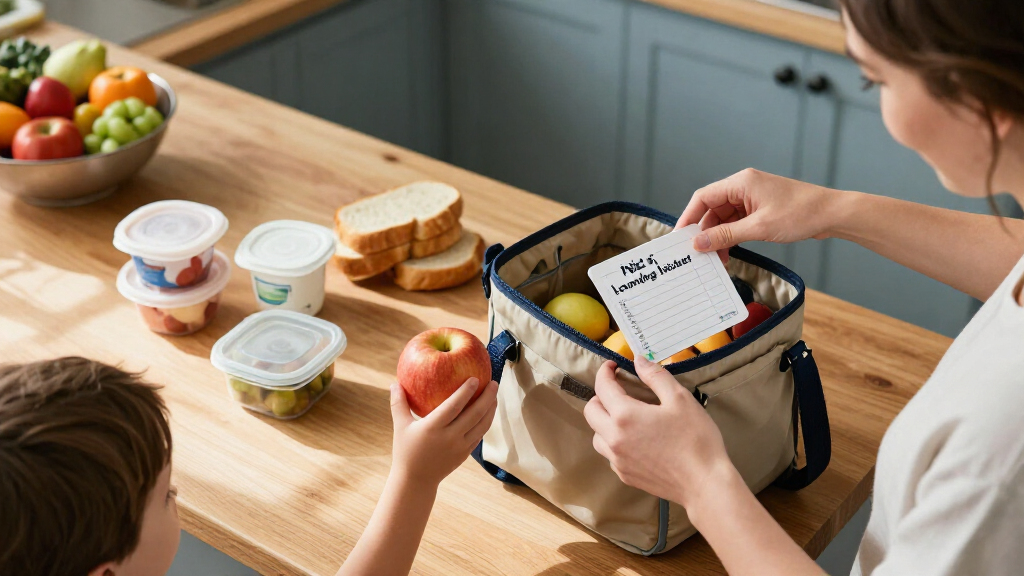
This checklist is for caregivers preparing kids’ lunches for school, outings, or busy days away from home. It covers the main pieces of a lunch setup, with guidance for categories that have no featured product and focused notes on the named picks. Start with your child’s routine: what they eat, how long food is packed, and what they can manage independently.

Turn the school run and nap time into listening time
- Thousands of audiobooks, podcasts and originals
- Listen on your phone, tablet or Echo — also offline
- Cancel anytime
The sections follow the parts of a packed lunch: carrying food, organizing snacks, packing a meal, keeping food warm or cool, and bringing a drink. The product names are treated as the picks for their listed categories; check each item’s current specifications and care instructions before buying. Match each item to its intended use and the way your child’s lunch is stored.
Use this as a practical checklist rather than a shopping mandate. Measure available backpack space, consider how much your child typically eats, and check whether school or childcare has rules about containers and food storage. Fit and daily handling matter: a setup your child can open, carry, and clean comfortably is more useful than one with features they will not use.
Insulated Lunch Bags
An insulated lunch bag gives packed food a dedicated place and helps keep lunch items together during the trip to school or an outing. Since this slot has no featured product, start with the lunch routine: how many containers need to fit, whether a drink travels inside, and how much room is available in the backpack. Think about the full packed load, including containers and any separate ice pack, rather than choosing by the empty bag alone. A common mistake is picking a bag that fits one lunch container but leaves no space for snacks or a bottle. Another is overlooking the opening: a child should be able to reach the food without wrestling with a stiff zipper or a crowded interior. Check the bag’s stated dimensions against the containers you already own, and look for a shape that accommodates them without forcing lids or corners. Check the interior dimensions and closure style before purchasing. Care instructions and carrying comfort matter for everyday use. Review whether the lining can be wiped clean and whether the bag is designed to be carried by hand, over a shoulder, or inside another bag. If your child packs independently, favor a manageable size and an opening they can use. Confirm storage guidance for the foods you plan to pack; an insulated bag alone does not establish a safe holding time.What to look for:
- Interior dimensions that fit the containers you plan to use
- An opening and zipper your child can manage
- Room for the planned snacks and drink
- A lining with care instructions that fit your routine
- A carrying style and packed size suited to the backpack
Reusable Snack Pouches
Reusable snack pouches can give small portions a dedicated spot in a lunch setup. The listed pick is the PackIt Freezable Snack Box, Spaceman. Before choosing it, confirm the current product details and intended use, since the name alone does not establish its capacity, dimensions, or care requirements. Check what the product is designed to hold and whether that matches the snacks your child brings. A frequent buying mistake is assuming that a snack container will fit the lunch bag simply because it looks compact. Compare its listed dimensions with the available space, especially if the lunch bag already holds a main container and drink. Also consider whether your child can open and close it without help, and whether the closure will stay secure in a backpack. Check dimensions and closure details against your child’s lunch routine before buying. The product name includes “Freezable,” but verify the maker’s directions for freezing, food contact, cleaning, and use before relying on that feature. Do not assume that a particular snack or storage duration is appropriate based on the product name alone. Check whether the container is intended for the foods you plan to pack, and follow its instructions for care and handling. For independent lunch packing, practice opening and closing it at home first.What to look for:
- Current manufacturer specifications for capacity and dimensions
- Instructions for freezing and intended use
- Cleaning and care directions that suit your routine
- A closure your child can operate and secure
- A shape that fits the lunch bag alongside other items
PackIt Freezable Snack Box, Spaceman
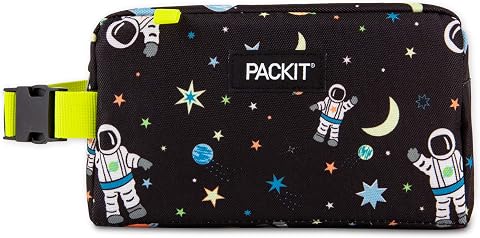
The PackIt Freezable Snack Box features built-in ECOFREEZE technology with gel walls that keep snacks and drinks cool for hours without ice packs. Its collapsible design makes it easy to store and transport, ideal for on-the-go snacking and reducing waste.
Pros:
- Built-in cooling with eco-friendly gel walls
- Collapsible and space-saving design
- Reusable and reduces waste
- Suitable for snacks and drinks for all ages
Cons:
- Limited to small snacks and drinks
- Requires freezing overnight before use
- May not keep items cold for extended periods in hot environments
Best for: families seeking a dedicated snack container and checking its instructions first
Not ideal for: shoppers who need confirmed capacity or care details without checking the product listing
Bottom line: Confirm the PackIt snack box’s dimensions, care directions, and intended use before adding it to the lunch kit.
Bento Lunch Boxes
A bento lunch box divides a meal into sections, which can help organize different foods in one container. This category has no featured product, so choose based on the actual foods your child eats and the containers that fit their lunch bag. Start with the meal portions you expect to pack, then compare them with the box’s stated compartment sizes and overall dimensions. A common mistake is selecting compartments that look tidy but do not suit the menu. A sandwich, larger pieces of fruit, or foods that should not touch may need a different arrangement than small snacks. Check whether dividers are fixed or removable, whether the lid closes securely, and whether the container’s instructions address leaks. Do not assume every compartment is leakproof; confirm the maker’s specifications for the foods you intend to pack. Fit includes more than the box itself. Make sure the closed container fits inside the lunch bag with room for other planned items, and consider whether your child can open every latch. Read care instructions for the box and lid, including any guidance about dishwashing or heating, instead of assuming all parts share the same care method. If your child is learning to pack independently, test the closure and rehearse opening it before school starts.What to look for:
- Compartment sizes suited to the foods you pack
- Overall dimensions compatible with the lunch bag
- Clear manufacturer guidance on leak resistance
- Latches your child can open and close
- Care instructions for both the box and its lid
Food Thermoses
A food thermos can be useful when a packed meal is meant to be served warm. This slot has no featured product, so first decide whether warm lunches are part of your child’s routine and check the school’s rules for food containers. Choose for the meals you actually pack, and confirm the container’s stated capacity and intended use before adding it to the list. One common mistake is buying a thermos that is difficult for a child to open, even if its size seems right. Check the opening, lid design, and dimensions, then consider how the filled container will sit in the lunch bag. Verify the manufacturer’s instructions for preparing, filling, and cleaning it; do not infer a temperature-holding period from the word “thermos.” Follow the specific product directions for safe handling and use. Capacity should be considered alongside the rest of the lunch. A container that holds the intended portion may still take up too much room beside a drink or snack box, while an overly large one may be cumbersome for a smaller child. Compare listed dimensions with the bag and practice opening the lid together. Check whether the care instructions address all removable parts, so routine cleaning is clear before the first school day.What to look for:
- Capacity suited to the intended meal portion
- Dimensions that fit the lunch bag
- A lid and opening your child can manage
- Manufacturer directions for use and cleaning
- School guidance on sending warm meals
Ice Packs
This section’s listed pick is the LunchEAZE Pro Cordless Heated Electric Lunch Box, Self-Heating, 4-Cup. Its name describes a heated electric lunch box, so confirm that it belongs in your intended lunch setup before treating it as an ice pack. Match the item to the category and verify its current product specifications, power requirements, and intended use with the manufacturer. A common buying mistake is assuming a heated lunch box serves the same purpose as a cooling pack. The product name alone does not establish that it cools food or functions as an ice pack. Check the maker’s information for how the item operates, what it includes, and whether it is appropriate for your child’s routine. Do not rely on the category label alone when the named product indicates a different function. If you are shopping specifically for ice packs, compare products whose stated purpose is cooling and check their dimensions against the lunch bag and food containers. Consider whether the child can handle the packed setup and whether the item’s care instructions fit your routine. For the listed LunchEAZE pick, review the instructions and school policies around electrical items before use, and make sure the adult responsible for packing understands its operation. Confirm all claims and use details from current manufacturer materials.What to look for:
- A product whose stated purpose matches cooling food
- Current manufacturer directions for the LunchEAZE item
- Confirmed power and operation requirements if considering the heated box
- Dimensions compatible with the packed lunch
- School rules for any electrical lunch equipment
LunchEAZE Pro Cordless Heated Electric Lunch Box, Self-Heating, 4-Cup

The LunchEAZE Pro is a cordless, self-heating lunch box with a 4-cup capacity, powered by an 8000 mAh rechargeable battery. It features programmable heating, smart controls, and a food-grade stainless steel container, making it ideal for on-the-go meals at work, travel, or job sites.
Pros:
- Cordless design allows for heating meals anywhere
- Programmable heating with smart controls
- Includes insulated bag for portability
- Food-grade stainless steel container for safe food storage
Cons:
- Hand wash only for the stainless steel container
- Battery life may vary with usage
- Requires charging before use
Best for: shoppers verifying whether a heated lunch box suits their planned setup
Not ideal for: anyone who specifically needs a cooling ice pack without confirming the product function
Bottom line: The listed LunchEAZE product is described as heated, so verify its function before using it as an ice pack pick.
Reusable Water Bottles
A reusable bottle gives a child a drink container that can travel with the lunch. The listed pick is the Owala Princess FreeSip Stainless Steel Water Bottle 24 oz Rapunzel. Confirm the current specifications and care instructions, then compare its stated capacity and dimensions with your child’s needs and the space available in the lunch bag or backpack. Check the 24-ounce capacity against what your child can comfortably carry and drink. A common mistake is focusing on a bottle’s design while overlooking how a child opens, drinks from, and closes it. Review the manufacturer’s description of the FreeSip design and test whether your child can use the closure without help. Check how the bottle fits beside lunch containers and whether it can be carried in the bag’s bottle pocket, if there is one. Practice the opening and closing before relying on it for school. Read the care instructions for the bottle and lid, and confirm which parts can be cleaned by your preferred method. Stainless steel and a named drinking design do not by themselves answer questions about cleaning, leak resistance, or suitability for every use; consult the product details for those points. Consider the filled weight as well as the empty bottle so the child can manage it through the day.What to look for:
- Manufacturer dimensions and capacity details
- A closure and drinking method your child can manage
- Compatibility with the backpack or lunch bag
- Care directions for the bottle and lid
- Product information confirming leak handling and intended use
Owala Princess FreeSip Stainless Steel Water Bottle 24 oz Rapunzel

The Owala Princess FreeSip Water Bottle is a 24-ounce insulated stainless steel bottle featuring a Disney Princess theme. It offers dual drinking options with a built-in straw and wide-mouth spout, and keeps drinks cold for up to 24 hours.
Pros:
- Keeps drinks cold for up to 24 hours
- Dual drinking options with straw and spout
- Dishwasher-safe lid for easy cleaning
- Fun Disney Princess design for kids
Cons:
- Not suitable for hot liquids
- Hand wash only for the cup
- Limited to 24 oz capacity
Best for: children who can comfortably carry and use the stated 24-ounce bottle
Not ideal for: younger children for whom the filled size may be cumbersome
Bottom line: Confirm fit, care instructions, and your child’s ability to carry and use the Owala bottle.
Shop in a practical order: first measure the lunch bag and identify the containers your family already uses. Next choose a bag and meal container that fit those dimensions, then add snack storage and a bottle your child can manage. Check the category and product instructions for the listed PackIt and LunchEAZE items before buying, especially where the named function may not match the section.
A lunch setup can be assembled one useful piece at a time. Start with the items that solve a daily need, then adjust after seeing what your child actually eats and carries. Comfort, fit, and easy care make a routine easier to repeat, and your checklist can evolve as those needs change.