
TL;DR

Turn the school run and nap time into listening time
- Thousands of audiobooks, podcasts and originals
- Listen on your phone, tablet or Echo — also offline
- Cancel anytime
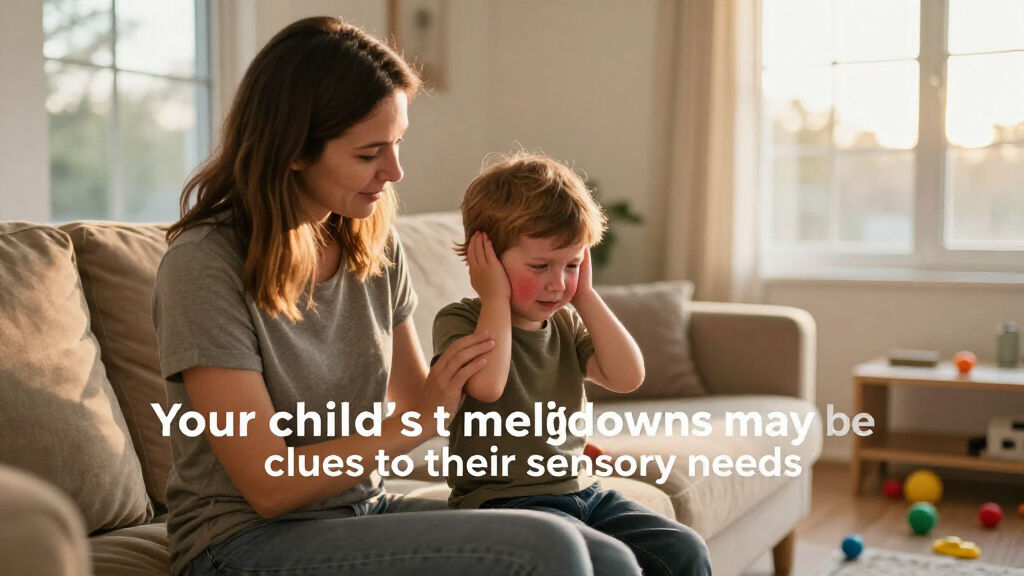
Recent studies indicate that children’s meltdowns may be signs of sensory processing needs. Experts say recognizing these cues can help support children’s development. This shift could change how parents respond to challenging behaviors.
Recent studies suggest that children’s meltdowns are often signals of underlying sensory processing needs. Experts emphasize that understanding these cues can lead to better support for children with sensory sensitivities, potentially transforming parenting strategies and intervention approaches.
Researchers and child development specialists are increasingly recognizing that meltdowns are not merely behavioral problems but may reflect sensory overload or processing difficulties. A report from the Child Development Institute states that children experiencing sensory challenges often react intensely to stimuli such as loud noises, bright lights, or tactile sensations, which can trigger meltdowns.
According to Dr. Lisa Martinez, a pediatric occupational therapist, “Many children who have frequent meltdowns might be signaling that their sensory system is overwhelmed or under-stimulated. Recognizing these signals allows caregivers to modify environments and responses accordingly.”
While this perspective is gaining traction, it is still being studied, and experts caution that not all meltdowns are related to sensory issues. More research is needed to establish definitive links and effective intervention strategies.
Implications for Parenting and Child Support Strategies
This development matters because it shifts the way caregivers interpret children’s challenging behaviors. Instead of viewing meltdowns solely as misbehavior, parents and educators can see them as communication from children about their sensory needs. This understanding can lead to more empathetic responses, tailored environments, and targeted therapies, potentially reducing the frequency and intensity of meltdowns.
Early identification of sensory processing issues can also support children’s overall development, improving their ability to cope with everyday stimuli and participate more fully in social and educational settings.
sensory processing disorder sensory toys
As an affiliate, we earn on qualifying purchases.
As an affiliate, we earn on qualifying purchases.
Emerging Awareness in Child Development Fields
Over the past decade, research on sensory processing disorder (SPD) has increased, with many professionals recognizing its impact on children’s behavior. Traditionally, meltdowns were viewed mainly as behavioral issues, but recent studies suggest they may be rooted in sensory overload or dysregulation.
Organizations such as the Sensory Integration Network have promoted awareness, and some schools and clinics now incorporate sensory assessments into their evaluations. However, mainstream understanding remains inconsistent, and many parents lack guidance on how to interpret sensory cues.
This evolving perspective is still in early adoption phases, with ongoing research aiming to clarify the connection between sensory needs and behavioral responses.
“Interpreting meltdowns as sensory signals rather than misbehavior can change how parents support their children, leading to more effective interventions.”
— Jane Collins, Child Development Expert
Unconfirmed Links and Ongoing Research Challenges
While evidence suggests a connection between meltdowns and sensory processing issues, definitive proof is still lacking. It is not yet clear how widespread this phenomenon is or how reliably meltdowns can be used as indicators of sensory needs. Researchers emphasize that more controlled studies are necessary to establish causality and develop standardized assessment tools.
Additionally, individual differences mean that not all children with sensory sensitivities will exhibit meltdowns, and other factors such as emotional regulation and environmental context also play roles.
Future Research and Practical Applications
Researchers plan to conduct longitudinal studies to better understand the relationship between sensory processing and behavioral cues like meltdowns. Meanwhile, clinicians and educators are exploring new training programs to help parents and teachers recognize sensory signals and respond appropriately.
In the coming months, expect to see increased guidance from pediatric and occupational therapy organizations on how to interpret and support children experiencing sensory overload, with pilot programs testing tailored interventions in schools and clinics.
Key Questions
Can meltdowns always be linked to sensory needs?
No, not all meltdowns are caused by sensory issues. They can also result from emotional distress, fatigue, or other factors. Recognizing sensory cues requires careful observation and, often, professional assessment.
How can parents tell if a meltdown is sensory-related?
Signs include reactions to specific stimuli like loud sounds, bright lights, or tactile sensations. If a child becomes overwhelmed in sensory-rich environments, it may indicate sensory needs are involved.
What practical steps can parents take now?
Parents can observe and note what triggers meltdowns, create sensory-friendly environments, and consult with occupational therapists for tailored strategies. Responding with empathy and providing calming sensory input can help.
Is there a diagnostic test for sensory processing issues?
Yes, occupational therapists can conduct assessments to evaluate sensory processing, but diagnosis often combines clinical observation with parent reports and standardized tools.
Will this understanding reduce meltdowns?
While understanding sensory needs can improve responses, reducing meltdowns depends on individual circumstances and effective intervention. It is a promising approach but not a guaranteed solution.
Source: rss
Fall Picks
fall essentials
As an affiliate, we earn on qualifying purchases.