To improve your sleep schedule, start by adjusting your naps to about 20-30 minutes early in the afternoon, avoiding late or long naps that can interfere with nighttime sleep. Keep your bedtime consistent, even on weekends, to help your body sync with a regular routine. Create a calming pre-sleep routine and make your environment sleep-friendly. Small changes like these can make a big difference; if you keep exploring, you’ll find more tips to stabilize your sleep.
Key Takeaways
- Keep naps short (20-30 minutes) and early afternoon to prevent sleep disruption.
- Maintain consistent bedtimes and wake times, including weekends, to train your body’s internal clock.
- Establish a calming pre-sleep routine by dimming lights and avoiding screens to signal readiness for sleep.
- Create a sleep-friendly environment: cool, dark, quiet, and limit caffeine or heavy meals before bed.
- Make small routine adjustments gradually to improve overall sleep quality and ease schedule shifting.

If you find yourself tossing and turning night after night, you’re not alone. Sleep struggles are common, especially when your sleep schedule feels unpredictable or out of sync. One key to improving your rest is to focus on your nap routines and establish bedtime consistency. Napping too long or too late can throw off your internal clock, making it harder to fall asleep at night. Instead, aim for short, well-timed naps—about 20 to 30 minutes—early in the afternoon. This way, you avoid disrupting your evening sleep and still get the rejuvenation you need. Consistent nap routines signal to your body when it’s time to rest, helping regulate your sleep-wake cycle over time.
In addition to managing naps, maintaining a consistent bedtime is essential. Going to bed and waking up at the same time every day, even on weekends, trains your body to expect sleep at certain hours. When you vary your bedtime, your internal clock struggles to adjust, leading to difficulty falling asleep or waking up feeling unrested. Establish a calming pre-sleep routine that signals your body it’s time to wind down—dim the lights, turn off screens, and engage in relaxing activities like reading or gentle stretches. Doing this consistently reinforces bedtime routines that your brain associates with sleep, making it easier to drift off naturally.
It’s also critical to create a sleep-friendly environment that supports your efforts. Keep your bedroom cool, dark, and quiet. Avoid caffeine, heavy meals, and vigorous exercise close to bedtime, as these can interfere with your ability to fall asleep. If you’re feeling particularly restless, try to get some sunlight during the day and limit screen time an hour before bed. Additionally, understanding the importance of RMDs and proper sleep timing can help you optimize your overall sleep health, ensuring you wake up feeling refreshed and restored. These small adjustments complement your nap routines and bedtime consistency, further strengthening your sleep schedule.

MyHalos® Sleep Mask – 3D Blackout Eye Mask for Women & Men, Side Sleepers, Zero Pressure Memory Foam Eyelash Friendly, Breathable,Award-Winning Sleep Aid for Travel (Black, 1 Count (Pack of 1))
Complete Blackout: Innovative contoured design blocks 100% light. Perfect blindfold sleeping eye mask for night shift workers, frequent…
As an affiliate, we earn on qualifying purchases.
As an affiliate, we earn on qualifying purchases.
Conclusion
If you don’t tackle your sleep schedule now, you might find yourself stuck in a never-ending cycle of yawns, zombie-like mornings, and endless exhaustion that drags on forever. Adjusting naps and bedtime might seem tough at first, but it’s the secret to breaking free from the sleep chaos. Stick with it, stay consistent, and soon you’ll be conquering each day with energy that’s unstoppable—and trust me, your future self will thank you for finally beating the sleep struggle once and for all!

Magicteam Sound White Noise Machine with 20 Non Looping Natural Soothing Sounds and Memory Function 32 Levels of Volume Powered by AC or USB and Sleep Sound Timer Therapy for Baby Kids Adults
❤20 Non-Looping Sleep Sounds: White noise ,Brown noise, pink noise, blue noise, fan,brook, rain, ocean,bird and Bonfire,suitable for…
As an affiliate, we earn on qualifying purchases.
As an affiliate, we earn on qualifying purchases.

Ms. Rachel and Bean and the Bedtime Routine: Encouraging a Calm and Comforting Good Night (Books by Ms. Rachel)
As an affiliate, we earn on qualifying purchases.
As an affiliate, we earn on qualifying purchases.
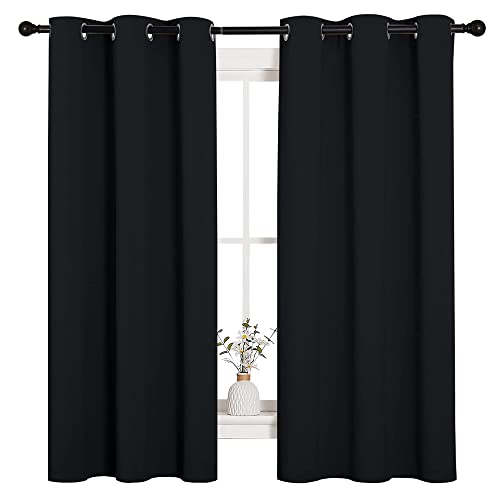
NICETOWN Pitch Black Solid Thermal Insulated Grommet Blackout Curtains/Drapes for Bedroom Window (2 Panels, 42 inches Wide by 63 inches Long, Black)
READY MADE: Package only includes 2 blackout curtain panels, each 42" wide x 63" long when fully spread,…
As an affiliate, we earn on qualifying purchases.
As an affiliate, we earn on qualifying purchases.