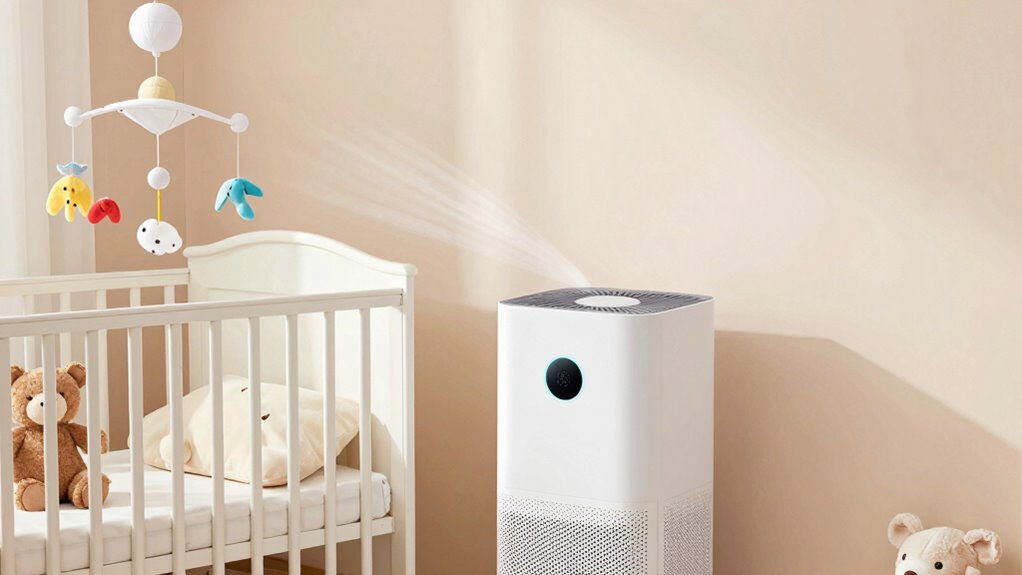

Your nursery’s air quality matters more than cute decor because good air supports your baby’s brain, immune system, and healthy growth. Harmful pollutants like VOCs, dust, and mold can cause breathing issues, allergies, and developmental delays. While decor might look appealing, it can release toxins or trap dust. Prioritizing fresh, clean air creates a safer environment, and there’s more to learn about simple ways to improve and maintain it as your little one grows.

Turn the school run and nap time into listening time
- Thousands of audiobooks, podcasts and originals
- Listen on your phone, tablet or Echo — also offline
- Cancel anytime
Key Takeaways
- Poor air quality can cause respiratory issues, developmental delays, and immune system vulnerabilities in babies.
- Toxic pollutants from decor and furniture release VOCs that harm a baby’s health over time.
- Indoor pollutants can linger and enter a baby’s lungs and bloodstream, affecting overall growth.
- Prioritizing clean, well-ventilated air ensures a safer environment than aesthetic-focused decor.
- Regular maintenance of air quality systems reduces health risks, supporting healthy development and well-being.
As an affiliate, we earn on qualifying purchases.
What Are the Risks of Poor Nursery Air Quality?

Have you ever wondered how poor air quality in a nursery can affect your child’s health? When the air isn’t clean, it can lead to respiratory issues, allergies, and even developmental concerns over time. Unsafely chosen decor might seem harmless but can contribute to dust buildup or trap pollutants, risking decor safety. While a nursery’s aesthetic appeal makes the space inviting, it shouldn’t compromise air quality. Low-quality paints, stuffed toys, or synthetic furnishings can emit harmful chemicals. These pollutants can cause coughing, sneezing, or more serious health problems. Ignoring air quality puts your child at risk, making safety more important than just visual appeal. Prioritizing fresh, clean air over decorative trends helps protect your little one’s health and development. Additionally, proper ventilation is essential to maintain good air quality in the nursery environment. Regularly monitoring indoor pollutants can help ensure the air remains safe for your child. Ensuring your nursery materials are free from volatile organic compounds further reduces potential health hazards. To further safeguard your child, choosing air-purifying plants can also contribute to cleaner indoor air. Utilizing an online conversion tool for crores and popular units can assist in understanding large quantities of pollutants or chemicals used in nursery products.
Which Indoor Pollutants Are in Your Nursery’s Air?
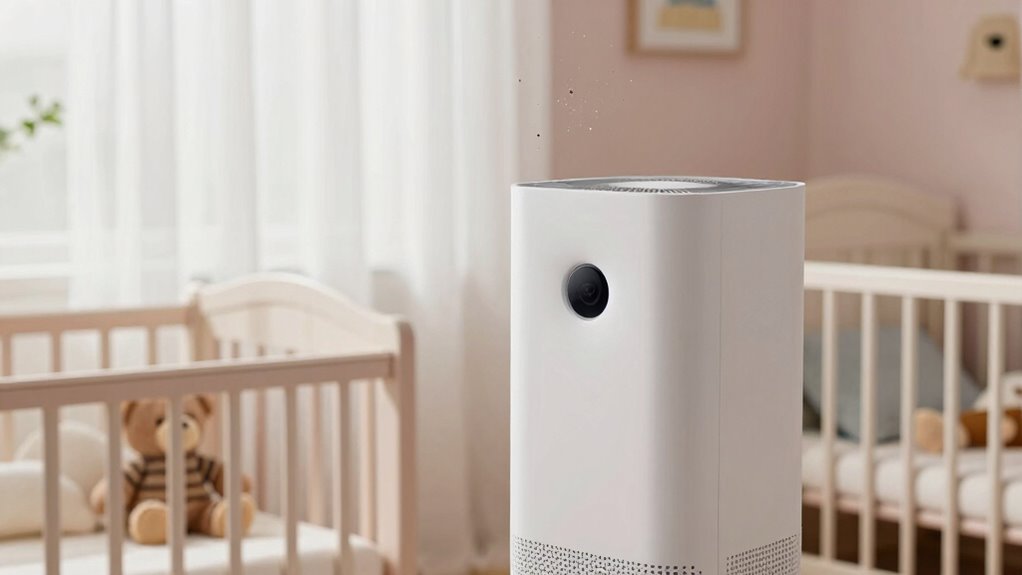
Did you know that many common indoor pollutants can quietly accumulate in your nursery’s air, posing health risks to your little one? Airborne allergens like dust mites, pet dander, and mold spores often linger unnoticed, triggering allergies or breathing issues. Chemical emissions from furniture, paints, and cleaning products can also seep into the air, releasing volatile organic compounds (VOCs) that irritate sensitive lungs. These pollutants can build up over time, making the environment unsafe for your baby’s developing respiratory system. Being aware of these hazards is essential. Regularly ventilate the nursery, choose low-emission products, and keep surfaces clean to reduce airborne allergens and chemical emissions. Understanding the role of color accuracy in home environments can also influence how you select and maintain your nursery’s decor to support healthier air quality. Protecting your baby from these invisible threats ensures a healthier, safer space for growth and development.
How Does Unhealthy Air Affect Your Baby’s Development?
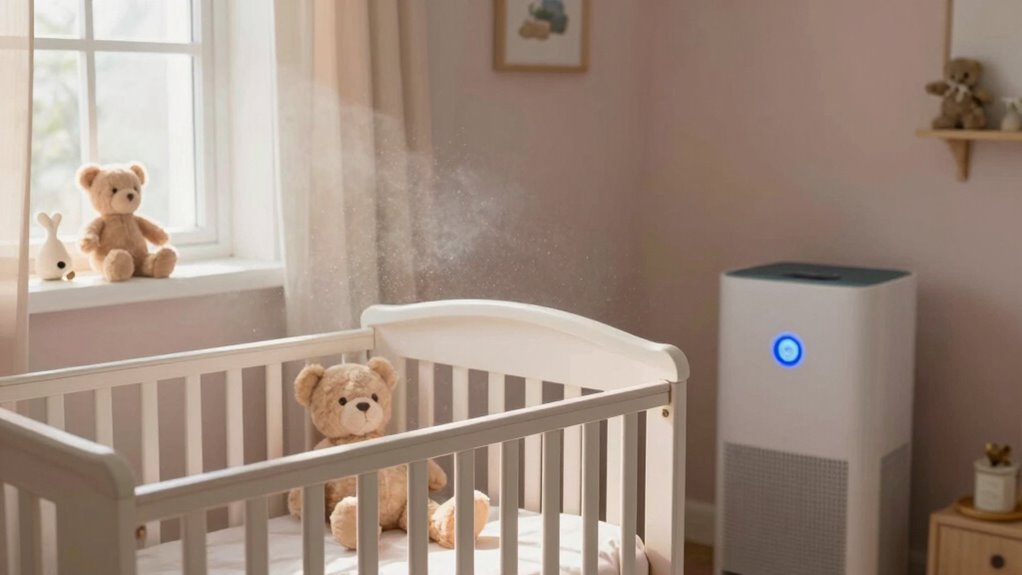
Unhealthy air in the nursery can considerably hinder your baby’s growth and development. Airborne toxins, such as pollutants from cleaning products, paints, or dust, can enter your baby’s lungs and bloodstream, impacting essential organs. Exposure to these toxins may lead to developmental delays, affecting cognitive and physical milestones. Babies have developing immune systems that are more vulnerable to harmful substances, making clean air indispensable. When harmful particles linger in the air, your baby might experience issues like difficulty breathing, irritability, or poor sleep, all of which can interfere with healthy growth. Ensuring good air quality minimizes these risks, supporting your baby’s brain development, immune health, and overall well-being. Proper air filtration can significantly reduce airborne toxins in the nursery, providing a safer environment for your little one. Additionally, air quality standards play a vital role in establishing a healthy nursery environment. Regularly monitoring indoor air quality can help detect and address potential issues before they affect your baby’s health. Taking steps to improve ventilation systems can also help remove accumulated pollutants and ensure fresh air circulation. Implementing air quality testing can further identify specific contaminants and guide necessary improvements. Protecting your nursery’s air quality is a critical step toward nurturing a healthy, thriving baby.
How Can You Naturally Improve Nursery Air Quality?
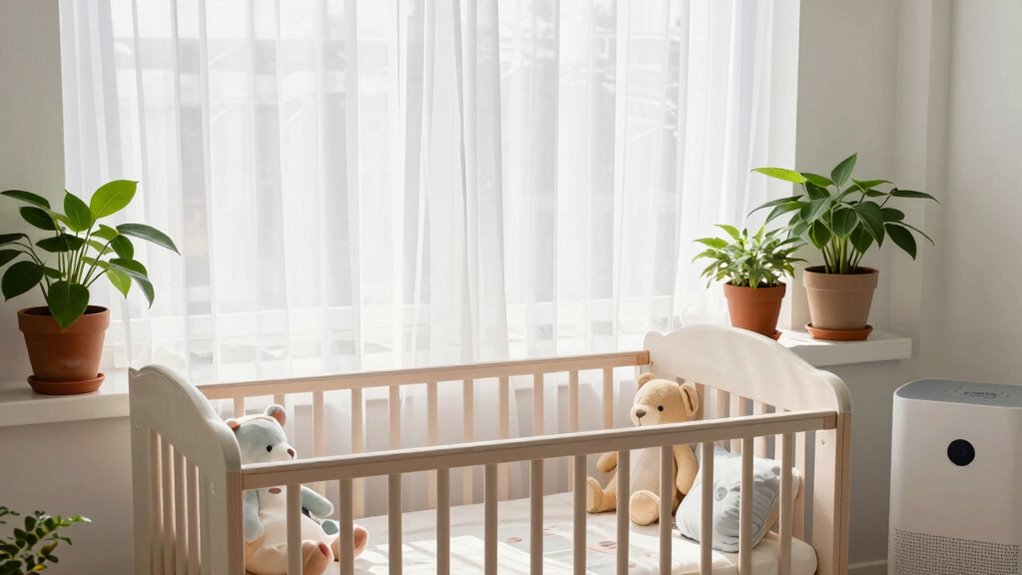
To naturally improve the air quality in your nursery, start by ventilating the space regularly to allow fresh air to circulate and dilute indoor pollutants. Opening windows daily helps remove stale air and introduces oxygen, reducing indoor toxins. Incorporate natural plants like pothos or snake plants, which can filter airborne pollutants without producing allergens or odors. Use scent-free cleaning products to prevent introducing harmful chemicals that can irritate your baby’s delicate respiratory system. Keep the nursery clutter-free, as dust and allergens settle on surfaces. Regularly dust and vacuum with a HEPA filter to minimize dust mites and pet dander. Additionally, choosing air filtration methods that are effective and safe can further enhance indoor air quality. Using natural air purifiers can also help remove toxins without the need for electronic devices. Ensuring proper ventilation systems can help maintain consistent air quality and reduce indoor pollutants over time. Implementing electric bike generators for sustainable energy solutions can also reduce indoor air pollution by decreasing reliance on fossil fuels. These simple steps create a healthier environment, supporting your baby’s development and overall well-being.
What Are the Best Air Purifiers for Nurseries?

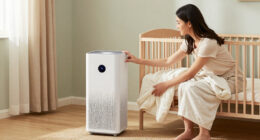
Choosing the right air purifier can make a significant difference in maintaining a healthy nursery environment. Look for models with HEPA filters to trap dust, allergens, and pollutants effectively. Some purifiers also include activated carbon filters to absorb odors, which is especially helpful if you’re considering decor trends that emphasize cozy, scented spaces. When selecting an air purifier, consider how it complements your lighting choices—sleek, modern designs blend seamlessly with trendy nursery decor.
| Feature | Benefits |
|---|---|
| HEPA filters | Capture airborne particles |
| Activated carbon | Reduce odors and VOCs |
| Quiet operation | Keeps nursery peaceful and undisturbed |
Choosing a purifier that balances performance and style will help keep your nursery fresh without sacrificing decor appeal.
How Can You Maintain Fresh Air as Your Baby Grows?
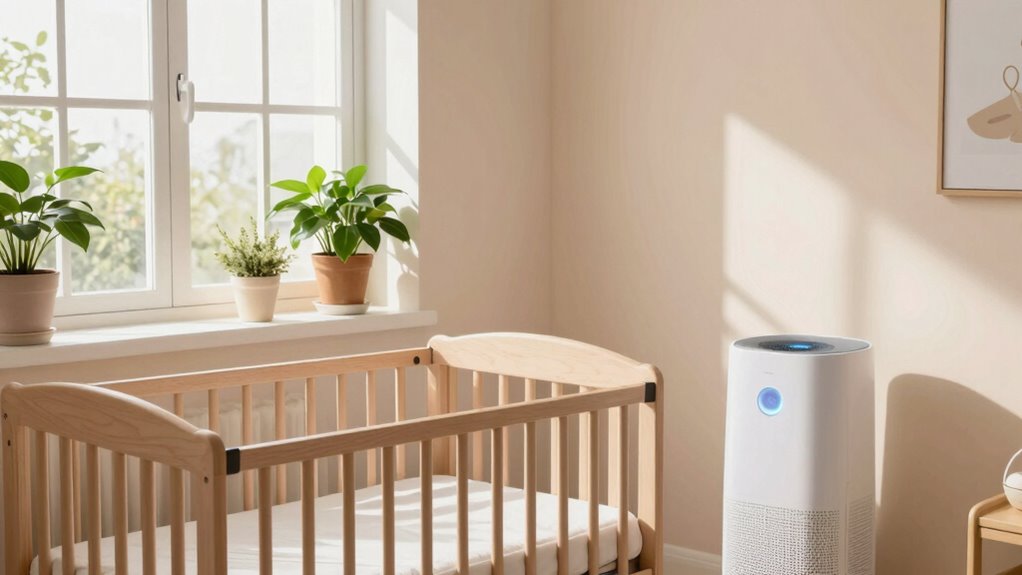
To keep the air in your nursery fresh as your baby grows, make certain to regularly open windows for ventilation. Use air purifiers effectively by maintaining and positioning them properly, and keep indoor pollutants like smoke and strong cleaners to a minimum. These small steps help guarantee a healthier environment for your child’s development. Incorporating a smart thermostat can also help regulate indoor temperatures efficiently, reducing energy consumption and maintaining optimal air quality. Additionally, monitoring air quality levels with compatible devices can assist in timely adjustments to ensure consistently clean air. Ensuring proper ventilation practices is key to reducing indoor pollutants and improving overall air quality. Regularly servicing and replacing filters in your whole-home water systems can also reduce indoor humidity issues that contribute to poor air quality. Being mindful of indoor pollutant sources can further enhance the air quality in your nursery.
Regular Ventilation Practices
How can you guarantee your baby’s environment stays fresh as they grow? Regular ventilation practices are key. Establish a consistent ventilation schedule, opening windows daily to promote air exchange. This helps eliminate indoor pollutants and refreshes the air naturally. During milder weather, keep windows open for 10-15 minutes several times a day. If outdoor air quality isn’t ideal, use exhaust fans or vents to improve airflow without compromising safety. Avoid leaving windows open continuously, especially in extreme weather or high pollution days. Regularly check for signs of stale air, like mustiness or condensation, and adjust your ventilation routine accordingly. This consistent approach ensures your nursery maintains healthy, fresh air, supporting your baby’s development and overall well-being. Incorporating household guides for air quality management can also provide helpful tips to optimize your space. Additionally, considering the use of water-cooled mattress pads or dehumidifiers can help maintain optimal humidity levels and improve overall air quality in your nursery. Regularly monitoring indoor humidity levels with air quality sensors can further enhance your efforts to keep the environment safe and comfortable. Proper ventilation is a crucial aspect of indoor air quality that should not be overlooked.
Use Air Purifiers Effectively
While regular ventilation helps keep your nursery fresh, adding air purifiers can further improve indoor air quality as your baby grows. To maximize their effectiveness, you need to stay on top of air purifier maintenance. Here’s how:
- Replace filters regularly—check manufacturer recommendations and swap filters to maintain peak performance.
- Clean the exterior—wipe down the unit to prevent dust buildup that can hinder airflow.
- Monitor air quality levels—use built-in sensors or standalone monitors to know when to run your purifier.
- Position wisely—place the purifier in the center of the nursery or near sources of indoor pollutants for best results.
Consistent filter replacement and maintenance ensure your air purifier continues to provide clean, fresh air for your growing baby.
Minimize Indoor Pollutants
As your baby grows and spends more time in the nursery, reducing indoor pollutants becomes increasingly important for maintaining fresh, healthy air. You can support this by choosing decor trends that prioritize natural materials and non-toxic finishes, which enhance nursery aesthetics without introducing harmful chemicals. Keep the space well-ventilated by opening windows regularly and using exhaust fans. Avoid furniture and decor made from pressed wood or painted with volatile organic compounds (VOCs), as these release pollutants over time. Regularly dust and clean surfaces to reduce allergens and dust mites. Incorporating plants can also improve air quality naturally. By being mindful of decor choices and maintaining good airflow, you create a safer environment that promotes your baby’s health as they grow.
Frequently Asked Questions
How Often Should You Test Nursery Air Quality?
You should test nursery air quality at least once a month to guarantee safety. Use air purifiers with HEPA filters to reduce dust and allergens, and check VOC levels regularly, especially if you’ve recently painted or introduced new furniture. Keep an eye on air quality monitors, and consider testing more often if you notice odors or allergy symptoms. Regular testing helps maintain a healthy environment for your baby.
Are Essential Oils Safe for Nursery Air?
They say “better safe than sorry,” and that’s especially true for nursery scent safety. Essential oils can pose dangers if misused, as some may release harmful fumes or cause allergic reactions. Due to essential oils dangers, it’s best to avoid diffusing them in your baby’s nursery altogether. Focus on maintaining fresh, clean air instead, ensuring your little one’s environment stays healthy and safe.
Can Plants Improve Nursery Air Quality?
Yes, plants can improve nursery air quality. When you choose the right plant selection, opt for varieties known for filtering toxins and releasing oxygen. Guarantee proper air circulation around your plants to prevent mold and maintain fresh air. Regularly care for your plants, and they’ll naturally purify the nursery environment, making it safer for your little one. Just remember to avoid plants that may be toxic to children.
What Are Signs of Poor Air Quality in a Nursery?
Think of your nursery as a garden of health; if you notice persistent odors, mold, or lingering dust, these are signs of poor air quality. Airborne pollutants can cause respiratory issues, making your little one uncomfortable or unwell. Watch for sneezing, coughing, or wheezing—these symptoms signal your air might be compromised. Regular ventilation, air purifiers, and cleaning help clear pollutants, ensuring a safe, breathable environment for your baby.
How Does Nursery Air Quality Affect Sleep Quality?
Poor nursery air quality can markedly impact your baby’s sleep quality. Airborne allergens like dust, pet dander, and mold might cause irritation, leading to frequent awakenings or difficulty settling down. These disruptions result in poor sleep quality, affecting your baby’s growth and development. Ensuring good ventilation and using air purifiers can reduce airborne allergens, promote better sleep, and create a healthier environment for your little one to rest peacefully.
Conclusion
Remember, your nursery’s air quality is the gentle breeze guiding your baby’s growth—a clear sky over a blossoming garden. By choosing fresh, healthy air over cute decor, you nurture a safe haven where your little one can flourish. Think of yourself as the gardener tending to this delicate space, ensuring it’s filled with pure, vibrant air. When you prioritize clean air, you’re planting the seeds for a future full of health and happiness.
Halloween Picks
halloween
As an affiliate, we earn on qualifying purchases.