
Household products and environments hide dangers that can harm your baby’s health. Chemicals in cleaners, old paint, air fresheners, and candles release toxins that may cause respiratory issues or skin irritations. Pests like cockroaches and rodents carry bacteria and allergens, worsening allergies or asthma. Regular cleaning, sealing entry points, and choosing baby-safe products help reduce these risks. To better protect your little one from unseen dangers, learn more about how to identify and prevent these hazards.

Turn the school run and nap time into listening time
- Thousands of audiobooks, podcasts and originals
- Listen on your phone, tablet or Echo — also offline
- Cancel anytime
Key Takeaways
- Household cleaners, paints, and air fresheners may contain toxic chemicals harmful to babies’ respiratory and skin health.
- Older paint and contaminated household items can expose babies to lead and heavy metals.
- Pests like cockroaches and rodents carry diseases and worsen respiratory issues through droppings and allergens.
- Regular inspection, proper storage, and pest control reduce chemical and biological household hazards.
- Recognizing symptoms of toxin exposure allows prompt action to protect babies from health risks.
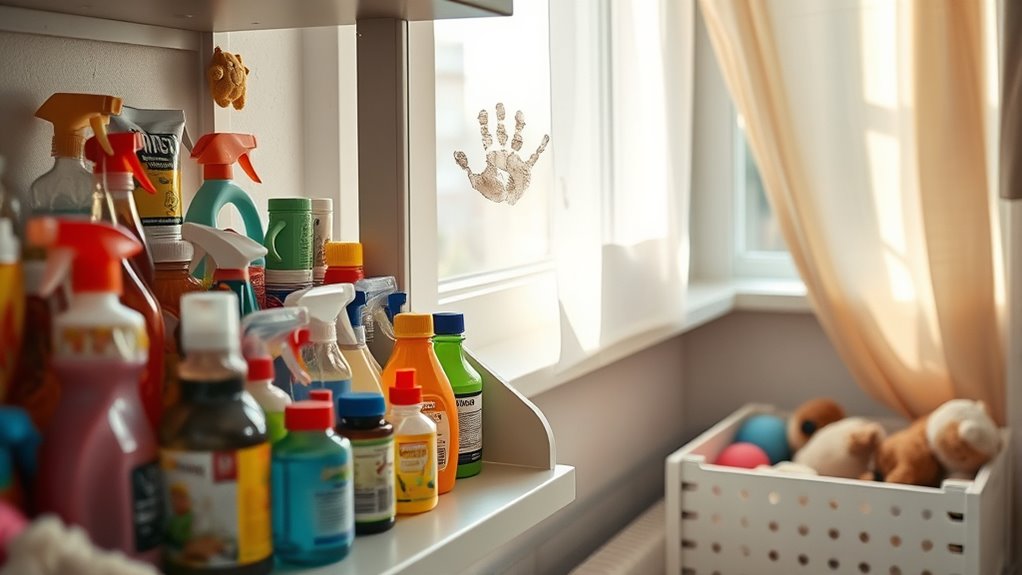
Many common household items and environments can pose serious risks to a baby’s health if you’re not careful. Among these dangers, chemical hazards and pest risks are some of the most overlooked but potentially deadly threats. Babies are especially vulnerable because their bodies are still developing, and they tend to explore their surroundings by putting objects in their mouths. This behavior increases their exposure to harmful substances and pests lurking in your home.
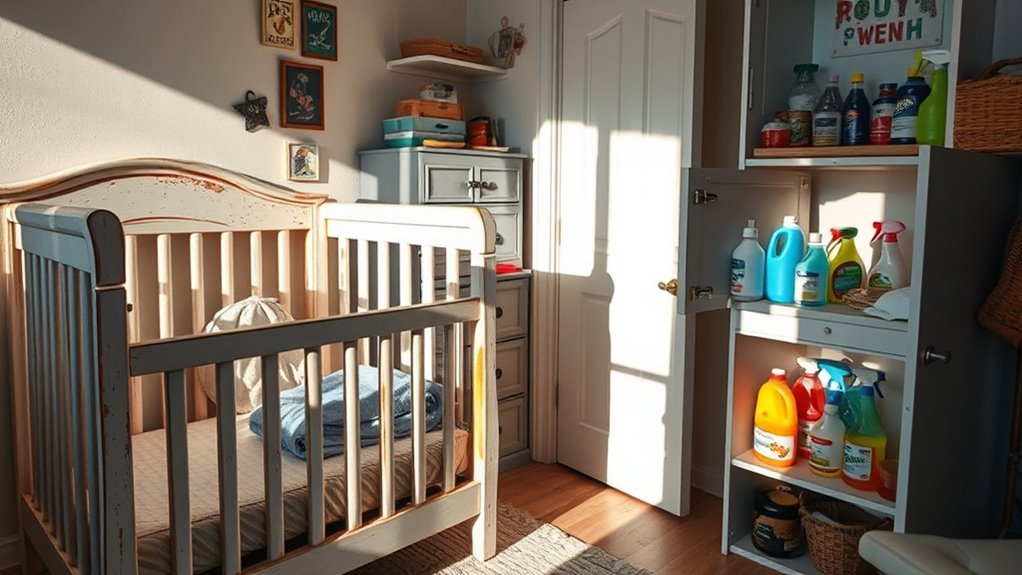
Chemical hazards can be present in everyday products like cleaning supplies, paints, and even some toys. Many household cleaners contain toxic chemicals that can cause respiratory issues, skin irritations, or more severe health problems if ingested or inhaled by your baby. Paints, especially older or poorly ventilated ones, might contain lead or other heavy metals, which can be absorbed through the skin or ingested through hand-to-mouth activities. It’s essential to store these items out of reach and opt for non-toxic, baby-safe alternatives whenever possible. Even seemingly harmless items like air fresheners or certain candles can release volatile organic compounds (VOCs) that compromise indoor air quality, putting your baby at risk.
Pest risks also pose a markedly serious threat to your baby’s health. Pests like cockroaches, rodents, and ants can carry diseases and trigger allergic reactions. Cockroaches, for example, leave behind droppings and shed skins that can worsen asthma or cause respiratory issues, especially in young children. Rodents can carry parasites and bacteria that may contaminate food or surfaces your baby touches. You might not see these pests, but their presence can be confirmed through droppings, gnaw marks, or strange smells. To minimize these risks, keep your home clean and free of food debris, seal cracks and entry points, and dispose of trash regularly. Using pest control methods that are safe for babies is also essential—avoid harsh chemicals that could inadvertently harm your little one. Additionally, understanding symptoms of exposure to toxins can help you recognize potential health issues early.
Being aware of chemical hazards and pest risks allows you to take proactive steps to protect your baby. Regularly inspecting your home, choosing baby-friendly products, and maintaining cleanliness can markedly reduce these dangers. Remember, even seemingly minor exposures can accumulate over time, leading to health issues that might not manifest until later. By staying vigilant and making informed choices, you create a safer environment where your baby can explore and grow without unnecessary health hazards. In the end, safeguarding your home from these hidden dangers is an ongoing process, but it’s one that’s well worth the effort for your child’s well-being.
As an affiliate, we earn on qualifying purchases.
Frequently Asked Questions
Can Certain Houseplants Harm My Baby With Toxins?
You might wonder if certain houseplants can harm your baby through plant toxicity. Some indoor plants release toxins that could affect your baby’s health, especially if they chew or ingest them, impacting indoor air quality. To keep your little one safe, research which plants are non-toxic and avoid those known for toxicity. Always supervise your baby around plants and consider using safer, baby-friendly options to improve indoor air quality.
Are There Hidden Lead Sources in Modern Furniture?
Imagine you buy a new-looking piece of furniture, but it’s actually old furniture with lead-based paint underneath. Many modern furniture pieces may contain hidden lead sources, especially if they’re repurposed or vintage. Lead-based paint was common before 1978, so even some newer furniture could have remnants. Always check for lead hazards, particularly in older or refurbished items, to protect your baby’s health from hidden dangers.
How Can I Detect Toxin Exposure in My Baby Early?
To detect toxin exposure early, pay close attention to your baby’s behavior and health. Watch for symptoms like irritability, vomiting, or unexplained rashes, which can indicate chemical exposure. Regular check-ups and open communication with your pediatrician help identify issues promptly. Trust your instincts, and if you notice any unusual signs, seek medical advice immediately. Early symptom recognition is key to preventing long-term health effects from hidden household toxins.
Do Air Purifiers Eliminate Household Toxin Risks?
Did you know that indoor air can be up to five times more polluted than outdoor air? Air purifiers can considerably improve your home’s air quality by providing toxin filtration, reducing airborne allergens and harmful particles. While they don’t eliminate every household toxin risk, they’re a helpful tool in creating a safer environment for your baby. Use them alongside good ventilation and regular cleaning for the best protection.
Are Natural Cleaning Products Completely Safe for Babies?
You might think natural cleaning products are completely safe for your baby, but it’s crucial to evaluate chemical safety and product labeling. Not all natural products are free from harmful ingredients, so always read labels carefully. While they tend to be safer than conventional cleaners, some natural ingredients can still cause reactions. Stay informed, choose products with clear labels, and when in doubt, consult your pediatrician to ensure your home is safe for your little one.
Conclusion
Now that you know these hidden household dangers, you can protect your baby like a vigilant guardian. Think of yourself as a shield, blocking out the unseen toxins lurking around your home. Regularly check for lead paint, keep chemicals out of reach, and make certain a clean, safe environment. Your little one’s health depends on your awareness. Stay alert, stay proactive—because safeguarding your baby is as essential as a lighthouse guiding ships safely to shore.
Columbus Day / Indigenous Peoples' Day Picks
long weekend sales
As an affiliate, we earn on qualifying purchases.