

To reduce germs and boost your baby’s immunity in daycare, focus on strict hygiene routines like regular handwashing for both children and staff, disinfecting toys and surfaces daily, and encouraging good habits before meals and after bathroom use. Maintaining open communication with caregivers helps you stay informed about health protocols and any illnesses circulating. By supporting these practices at home and in the center, you create a safer space and help strengthen your child’s defenses—there’s more to evaluate for ideal health.
Key Takeaways
- Promote consistent handwashing for children and staff before meals, after bathroom use, and upon arriving at the daycare.
- Regularly disinfect toys, surfaces, and shared areas to minimize germ buildup.
- Communicate with parents about illness prevention measures and encourage home hygiene practices.
- Implement strict cleaning routines and ensure proper sanitation protocols are followed daily.
- Support children’s immune health by maintaining good nutrition, adequate sleep, and teaching proper hygiene habits.

When children spend time together in daycare, illnesses can spread quickly, making it a common concern for parents and caregivers alike. To combat this, many centers implement strict hygiene protocols designed to minimize germ transmission. These protocols often include regular handwashing, sanitizing surfaces frequently, and ensuring toys are cleaned daily. As a parent, you’ll want to stay informed about these hygiene measures because they’re your first line of defense in keeping your child healthy. Good communication with caregivers about how they manage cleanliness helps you feel confident that your child is in a safe environment. It’s helpful to ask about their routine for disinfecting toys and surfaces and whether staff encourage children to wash their hands before meals and after bathroom breaks. When you’re in the know about these protocols, you can reinforce good habits at home and remind your child of the importance of hand hygiene. Additionally, understanding the role of hygiene protocols in infection control can help you better support your child’s health.
Parent communication plays a crucial role in reducing the spread of germs. Many daycare centers actively update parents about any illnesses circulating in the facility, which can help you monitor your child’s health more closely. If your child shows symptoms of illness, timely communication allows you to decide whether to keep them home or seek medical advice. Additionally, some centers provide educational resources or tips for parents on how to prevent common illnesses, empowering you to support your child’s immune system. When caregivers openly share information about hygiene practices and illness prevention, it fosters a collaborative effort between home and daycare. This partnership ensures everyone is working toward the same goal: protecting the health of all children.
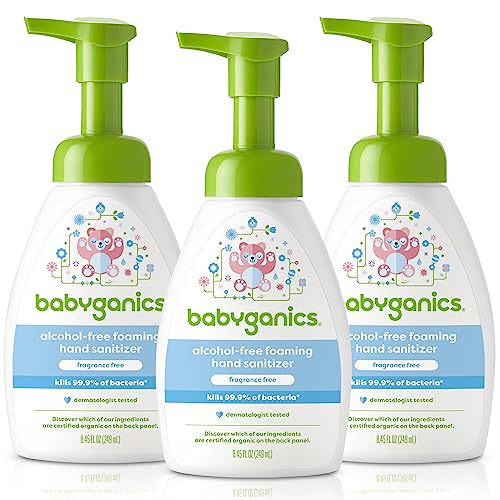
Babyganics Alcohol-Free Foaming Hand Sanitizer, Pump Bottle, Fragrance Free, 8.45 oz, 3 Pack
Moisturizing formula kills 99.9% of common bacteria
As an affiliate, we earn on qualifying purchases.
As an affiliate, we earn on qualifying purchases.
Conclusion
By taking proactive steps to reduce germs and boost your baby’s immunity, you’re planting seeds of health that will grow strong and resilient. Think of your efforts as watering a delicate sapling—consistent care today guarantees a sturdy tree tomorrow. While inevitable colds may come, your dedication creates a shield of strength around your little one. Remember, you’re the gardener guiding your child’s health journey, helping them flourish despite the unavoidable storms ahead.

Dreft Multi-Surface All-Purpose Gentle Cleaning Wipes for Baby Toys, Car Seat, High Chair & More, 70 Count, Pack of 2
Contains 140 Dreft gentle cleaning multi-surface cleaning wipes
As an affiliate, we earn on qualifying purchases.
As an affiliate, we earn on qualifying purchases.

Zarbee’s Kids Elderberry Immune Support Supplement Gummies, Vitamins A C D3 E & Zinc, Elderberry Extract, Gluten & Gelatin Free, No Artificial Flavors, Natural Berry Flavor, Ages 2+, 42 Ct
Immune support supplement: Real elderberry extract with vitamins A, C, D3 and zinc helps maintain a healthy immune…
As an affiliate, we earn on qualifying purchases.
As an affiliate, we earn on qualifying purchases.

Germs Are Not for Sharing (Board Book)
Award-winning book series teaches little ones about positive behavior, good manners and more using simple words and colorful…
As an affiliate, we earn on qualifying purchases.
As an affiliate, we earn on qualifying purchases.