Childhood vaccines follow a carefully designed schedule based on scientific evidence to protect your baby from preventable diseases at the right times. This schedule ensures your child develops immunity early and avoids gaps that could leave them vulnerable. Vaccinating according to the plan boosts your child’s health and strengthens herd immunity in your community. Sticking to the schedule is the best way to keep your little one safe—continue exploring to learn more about how vaccines work and their safety.
Key Takeaways
- The immunization schedule is based on scientific evidence to provide optimal protection at the right ages.
- Vaccines are administered in a series of doses during childhood to build and strengthen immunity.
- Following the schedule ensures children are protected from preventable diseases early and consistently.
- The schedule is flexible and can be adjusted for individual health needs, but adherence maximizes safety.
- Timely vaccinations help maintain herd immunity, protecting the broader community from outbreaks.
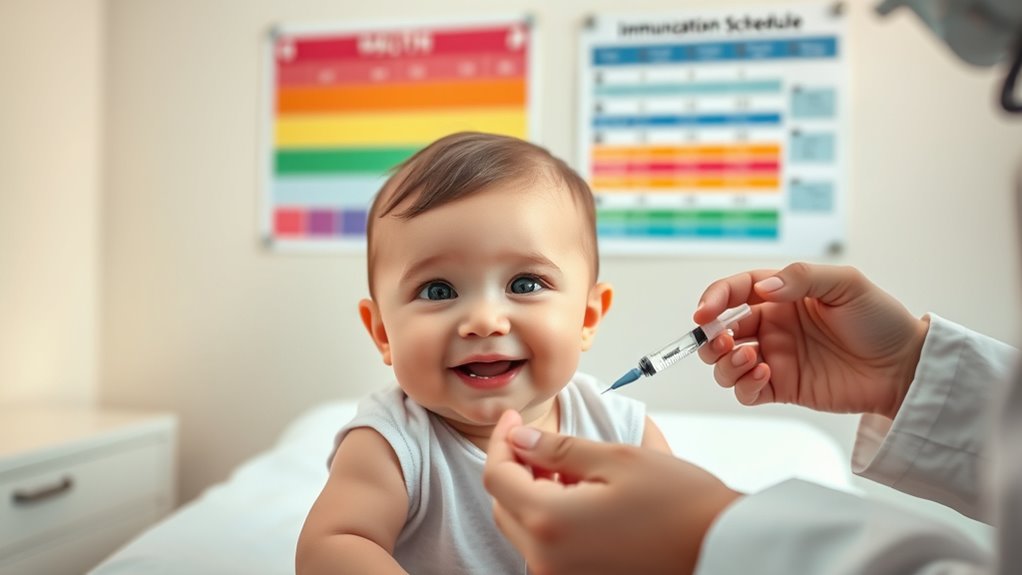
Have you ever wondered why childhood vaccines are so important? It’s a good question, especially considering the many myths and misconceptions floating around about immunization. Understanding vaccine safety is key to making informed decisions for your child’s health. The truth is, vaccines undergo rigorous testing and continuous monitoring to guarantee they are safe and effective. Before approval, they pass through multiple phases of clinical trials involving thousands of participants. After approval, health authorities like the CDC and WHO keep a close eye on any adverse effects, which are usually mild and temporary. These safety measures help protect your child from preventable diseases without exposing them to unnecessary risks. Additionally, tools like blockchain technology can enhance the transparency and traceability of vaccine distribution and safety data, further supporting public trust and monitoring. However, immunization myths can sometimes cloud the facts. Some believe that vaccines cause more harm than good, or that they overload a child’s immune system. The reality is that vaccines contain tiny amounts of antigens, which are enough to stimulate the immune system without overwhelming it. Your child’s immune system is remarkably resilient and can handle multiple vaccines at once, as recommended in the immunization schedule. Spreading out vaccines unnecessarily can leave children vulnerable to diseases during those delays. It’s also a myth that vaccines cause autism; extensive research has found no credible link between the two. Addressing these myths is essential because misinformation can lead to vaccine hesitancy, putting children at risk of serious illnesses that are entirely preventable. Your child’s immunization schedule is designed to create a layered defense, starting early in life and continuing into childhood. It’s based on scientific evidence that shows the ideal timing for each vaccine to provide maximum protection. Following this schedule helps guarantee that your child develops immunity before they are exposed to potentially dangerous pathogens. It also minimizes the number of visits needed, making it easier for you to stay on track. Trusting the schedule is critical, especially since delaying or skipping vaccines can leave gaps in immunity. The schedule is flexible enough to accommodate individual health needs, but sticking to it is generally the best way to safeguard your child’s health.

My Child's Doctor Visits Record Keeper: Children’s Physician Appointments Log Book for Medical Health History Records | Track Vaccine & Immunization Schedules, Symptoms and Treatment
As an affiliate, we earn on qualifying purchases.
As an affiliate, we earn on qualifying purchases.
Conclusion
You now understand how essential vaccines are in protecting your little one from serious diseases. Did you know that immunizations prevent 2-3 million deaths worldwide each year? By sticking to your baby’s immunization schedule, you’re giving them the best chance at a healthy, happy future. Remember, each shot not only shields your child but also helps safeguard your community. Trust the process—your baby’s health depends on it.
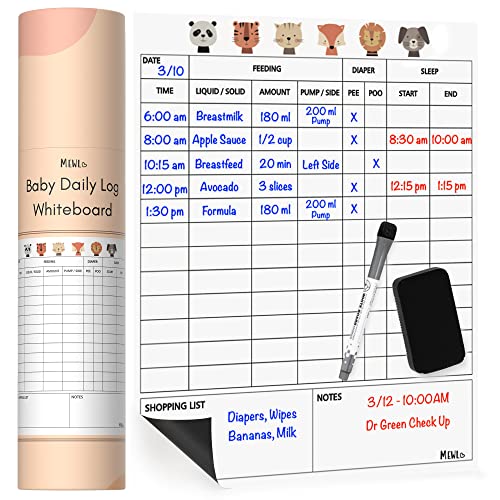
Mewl Baby Daily Log Whiteboard – Reusable Baby Tracker to Log Feeding, Diapers & Sleep – Newborn Baby Journal & Schedule Chart for New Parents, Nanny, Babysitter – Pregnancy & New Mom Gift
ALL IN ONE BABY TRACKER – Understand your baby’s routine and schedule by logging their feedings, diaper changes,…
As an affiliate, we earn on qualifying purchases.
As an affiliate, we earn on qualifying purchases.

My Child's Health Record Keeper (Log Book)
As an affiliate, we earn on qualifying purchases.
As an affiliate, we earn on qualifying purchases.

Anyone Who Tells You Vaccines Are Safe and Effective is Lying
As an affiliate, we earn on qualifying purchases.
As an affiliate, we earn on qualifying purchases.