When shifting your 12-month-old from formula to cow’s milk, start gradually by replacing one feeding with 2-4 ounces of milk, mixing it with formula or breast milk initially. Increase the amount slowly over 1-2 weeks, watching for any signs of intolerance or allergy. Make sure your child is developmentally ready and consult your pediatrician if you have concerns. Keep an eye on nutritional needs—more tips to help make this step smoother are just ahead.
Key Takeaways
- Confirm your child’s readiness and consult a pediatrician before starting the transition at 12 months.
- Begin by replacing one formula feeding with 2-4 ounces of cow’s milk, gradually increasing over 1-2 weeks.
- Mix cow’s milk with formula or breast milk initially to help your child adjust to the taste.
- Monitor your child for signs of intolerance or allergy, and adjust the transition pace accordingly.
- Ensure the chosen milk provides essential nutrients like calcium and vitamin D, consulting healthcare professionals as needed.
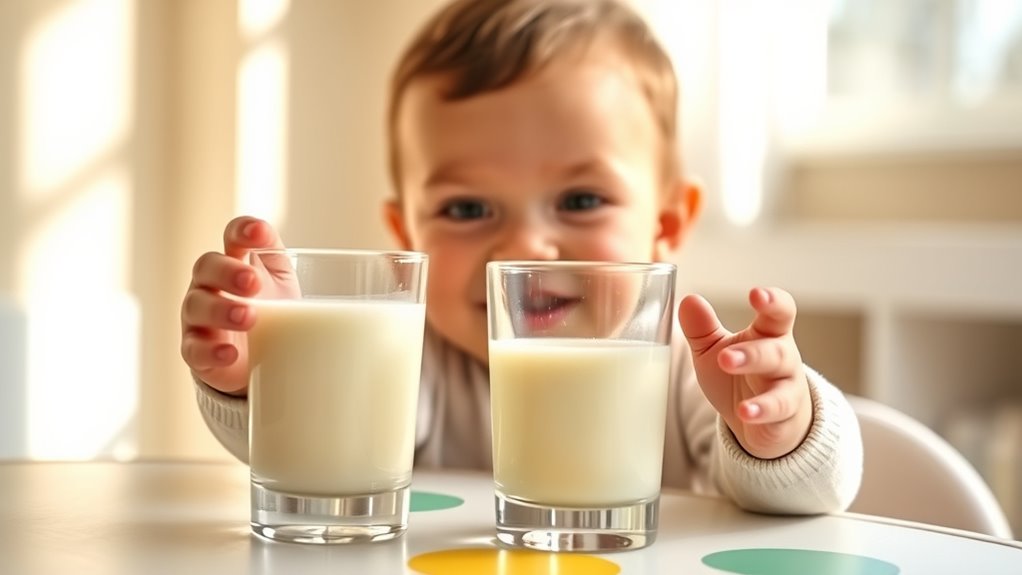
Are you wondering when and how to start giving your 12-month-old cow’s milk? Transitioning from formula is an important milestone, and you want to make sure it’s done safely and smoothly. While many children are ready to move on around their first birthday, it’s essential to consider potential concerns like dairy allergies and alternative nutrition options. Some babies may have sensitivities or allergies to cow’s milk proteins, which can cause reactions ranging from rashes to digestive issues. If you suspect your little one has a dairy allergy, consult your pediatrician before making the switch. They can help you determine whether to delay introducing cow’s milk or to explore alternative nutrition options, such as fortified plant-based milks, that meet your child’s nutritional needs.
Once you’ve confirmed your child is ready and any allergies are addressed, it’s time to start the transition gradually. Begin by replacing one formula feeding with a small amount of cow’s milk—about 2 to 4 ounces—per day. Mix the milk with a little formula or breast milk to ease the change, gradually increasing the proportion of cow’s milk over a week or two. This slow approach helps your child adjust to the taste and texture while reducing the risk of tummy upset. Remember, cow’s milk isn’t a complete nutrition source for babies under 12 months, so continuing some formula or breast milk during this period is important.
As you progress, keep an eye on your child’s response. Watch for signs of intolerance, such as diarrhea, constipation, or skin rashes, which could indicate a dairy allergy or sensitivity. If these symptoms appear, consult your pediatrician promptly. It’s also worth noting that some children might need alternative nutrition options if dairy isn’t suitable. In such cases, fortified plant-based milks like soy or oat milk can be considered, but only after discussing these options with your healthcare provider to ensure they provide the necessary nutrients like calcium and vitamin D. Additionally, understanding the role of nutrients like calcium and vitamin D in milk can help you make informed choices about your child’s diet.
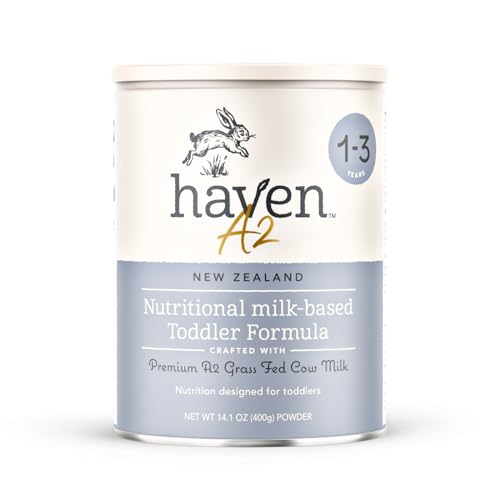
Haven A2 Cow Toddler Formula, Grass Fed Cow Milk Powder for Toddlers With Protein, Probiotics, Prebiotics, Lutein and Omega 3 Dha, Easy Digestion Formula, Non GMO, American Made, 14.1 Oz
A2 COW’S MILK-BASED NUTRITION: Haven A2 Cow Toddler Formula is thoughtfully made for toddlers aged 1–3 years with…
As an affiliate, we earn on qualifying purchases.
As an affiliate, we earn on qualifying purchases.
Conclusion
Switching your toddler to cow’s milk at 12 months is a big step, but it doesn’t have to be stressful. Some worry about allergies or digestion, but starting gradually and watching for any reactions helps ease the process. Remember, your little one is ready for this milestone, and with patience, you’ll both adjust smoothly. Trust your instincts, and soon milk will become a simple, nourishing part of their daily routine.

Philips Avent Natural Baby Bottles with Natural Response Nipples (Slow Flow, Flow 2), 4oz, 4-Pack, SCY900/04
Philips Avent Natural bottle supporting your baby's natural drinking rhythm: baby controls the pace of the milk flow,…
As an affiliate, we earn on qualifying purchases.
As an affiliate, we earn on qualifying purchases.

Bubs Whole Goat Milk Formula with Iron, Goat Milk-Based Powder, for Infants 0-12 Months, Made with Non-GMO Goat Milk, 20 oz
SUPPORTS DIGESTIVE HEALTH: Made in Australia, Bubs Goat Milk Infant Formula is for bubs ages 0 to 12…
As an affiliate, we earn on qualifying purchases.
As an affiliate, we earn on qualifying purchases.

MARYRUTH'S Organics Vitamin D3 | Vitamin K2 | Vitamin D3 K2 Drops | K2 D3 Vitamin Liquid Supplement for Toddlers | Kids Supplement for Calcium Absorption Strong Bones | Vegan | Gluten Free | 1 Fl Oz
Vitamin D3+K2 (MK-7): Support your growing toddler’s bone health with these important vitamins. Help promote calcium absorption and…
As an affiliate, we earn on qualifying purchases.
As an affiliate, we earn on qualifying purchases.