
During growth spurts, you should offer your baby more frequent feedings to support their rapid development and soothe fussiness. Pay attention to hunger cues and respond quickly with additional bottles or breastfeeding sessions. Offering smaller, more frequent meals helps prevent discomfort and keeps their energy levels steady. Keep a close eye on diaper changes and their overall behavior, as these are good indicators. Continue exploring tips that can make this busy phase easier for both of you.
Key Takeaways
- Offer additional feedings or breastfeeding sessions in response to hunger cues during growth spurts.
- Increase feeding frequency with smaller, more frequent meals to prevent fussiness and support rapid growth.
- Monitor your baby’s hunger signals and respond promptly to ensure adequate nourishment.
- Adjust feeding routines flexibly to accommodate increased appetite and changing needs.
- Support your baby’s growth by trusting their signals and maintaining attentive, responsive feeding practices.

Have you ever wondered how to handle the sudden changes your child’s body goes through during growth spurts? One of the most noticeable signs is increased hunger, which means your little one might be demanding more frequent feedings than usual. During these times, your child’s sleep schedule can also shift, with naps becoming longer or more irregular, so it’s essential to stay flexible and attentive to their needs. Growth spurts often come with fussiness, so being prepared to adjust your routines will help both of you navigate this busy phase smoothly.
Growth spurts bring increased hunger and changing sleep patterns—stay flexible and attentive to your child’s evolving needs.
As your child’s appetite increases, you’ll need to feed more often to keep up with their growing demands. This doesn’t just mean offering more bottles or breastfeeding sessions; it also involves paying close attention to their cues. You might notice they seem hungrier after just a short interval since their last meal or snack. It’s important to trust these signals and respond promptly, ensuring they get enough nourishment to support their rapid development. During growth spurts, your child’s tiny stomachs may fill quickly but need refilling more frequently, so offering smaller, more frequent meals can be beneficial. This approach helps prevent fussiness caused by hunger and keeps their energy levels steady.
Another aspect you’ll need to manage carefully is diaper changes. As your child grows, their body processes change, and so do their diaper needs. Increased feeding can lead to more frequent bowel movements, so be prepared for more diaper changes than usual. Keeping a close eye on their diaper area is critical to prevent irritation and diaper rash. During growth spurts, your little one might also experience looser stools or changes in urination patterns, which can be normal but still require attentive care. Having a well-stocked supply of diapers and wipes on hand makes it easier to respond quickly and keep your child comfortable. Remember, frequent diaper changes during this period are essential for maintaining good skin health and preventing infections.
Being aware of feeding cues and understanding your child’s unique growth patterns can also help you adapt more effectively. While handling these changes might feel overwhelming at times, your patience and responsiveness are key. Adjust your routines as needed, stay attentive to your child’s cues, and don’t hesitate to ask for support if you feel overwhelmed. Growth spurts are temporary, but they’re also an important part of your child’s development. By focusing on feeding more frequently and managing diaper changes effectively, you’re helping your little one grow strong and healthy. Keeping a flexible mindset and responding to their evolving needs will make this phase smoother for both of you, turning a challenging period into a rewarding experience.
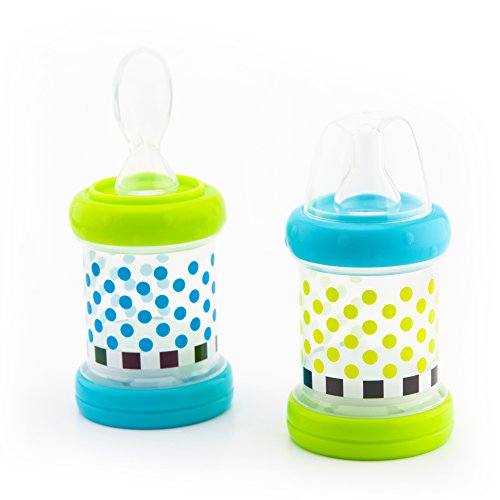
Sassy Baby Food Nurser – 4+ Months Set of 2- 4oz 100% Silicone Nipple and Spoon BPA-Free (30182)
Set of 2 – 4oz Nursery Bottles; one bottle with spoon and one bottle with nipple
As an affiliate, we earn on qualifying purchases.
As an affiliate, we earn on qualifying purchases.
Conclusion
During growth spurts, feeding more frequently helps your baby meet their changing needs. Remember, about 70% of parents notice their little one wants to eat more often during these times. By trusting your instincts and offering extra feedings, you support their growth and comfort. Keep in mind, these phases are temporary, and your attentive care makes a big difference. Embrace the extra feedings—they’re a sign your baby is thriving and growing strong.

My Brest Friend Nursing Pillow – Deluxe – Enhanced Comfort w/ Slipcover – Ergonomic Breastfeeding Pillow For Ultimate Support For Mom & Baby – Adjustable Pillow W/ Handy Side Pocket, Soft Rose
ERGONOMIC DESIGN: Elevate your nursing journey with our unique nursing pillow. The wrap-around feature ensures ideal positioning &…
As an affiliate, we earn on qualifying purchases.
As an affiliate, we earn on qualifying purchases.

Boudreaux’s Butt Paste Zinc Oxide Diaper Rash Cream, Hypoallergenic for Sensitive Skin, 4 Oz Tube
Specially formulated for baby’s sensitive skin to help provide fast relief from diaper rash discomfort and instantly protect…
As an affiliate, we earn on qualifying purchases.
As an affiliate, we earn on qualifying purchases.

Huggies Natural Care Sensitive Baby Wipes, Unscented, Hypoallergenic, 99% Purified Water, 12 Flip-Top Packs (768 Wipes Total), Packaging May Vary
12 flip-top packs of 64 Huggies Natural Care Sensitive Baby Wipes, Unscented (768 wipes total), packaging may vary
As an affiliate, we earn on qualifying purchases.
As an affiliate, we earn on qualifying purchases.