Start by offering your baby iron-fortified single-grain cereals like rice or oatmeal mixed with breast milk or formula for a smooth texture. Gradually introduce pureed fruits such as apples, pears, or bananas, and soft cooked vegetables like sweet potatoes or carrots, all processed until lump-free. Keep each new food simple and monitor for any reactions. If you want to learn more about safe preparation and introducing allergenic foods, continue exploring helpful tips tailored to your baby’s needs.

Turn the school run and nap time into listening time
- Thousands of audiobooks, podcasts and originals
- Listen on your phone, tablet or Echo — also offline
- Cancel anytime
Key Takeaways
- Begin with single-ingredient, iron-fortified cereals like rice or oatmeal, mixed with breast milk or formula for smooth texture.
- Introduce pureed fruits such as apples, pears, or bananas, ensuring they are smooth and free of lumps.
- Offer nutrient-dense vegetables like sweet potatoes, carrots, or squash, steamed until soft before pureeing.
- Introduce common allergens (eggs, dairy, nuts, fish, soy) one at a time, waiting several days between new foods.
- Always monitor for allergic reactions, adjust textures as your baby develops, and consult your pediatrician for personalized guidance.

Are you ready to introduce your baby to new tastes and textures? Starting solids is an exciting milestone, but it can feel overwhelming at first. The key is to keep things simple and gradual. Begin by establishing a consistent feeding schedule, which helps your baby adjust and develop a routine. Typically, this means offering solids once a day at first, around six months old, alongside breast milk or formula. As your baby gets used to eating solids, you can gradually increase the frequency and variety, always paying close attention to their cues. Consistency helps your baby learn when to expect solid foods and builds a foundation for healthy eating habits.
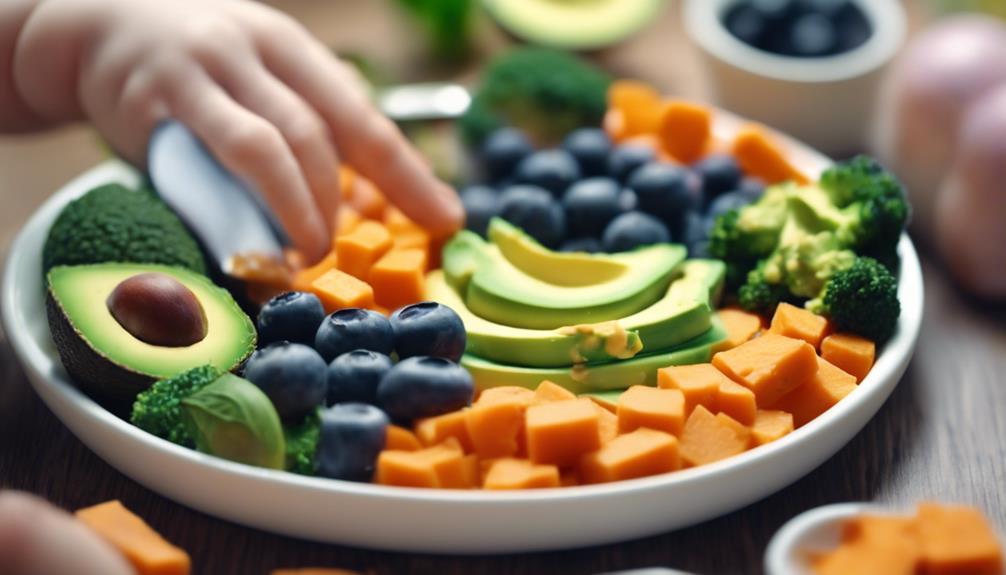
When choosing your baby’s first foods, focus on single-ingredient options that are easy to digest. Iron-fortified cereals like rice or oatmeal are popular starting points because they’re smooth, gentle, and can be mixed with breast milk or formula to reach a suitable consistency. Pureed fruits such as apples, pears, or bananas are also excellent choices, providing natural sweetness and important nutrients. Vegetables like sweet potatoes, carrots, and squash are nutrient-dense and can be steamed until soft before pureeing. Always ensure the texture is appropriate—smooth and free of lumps—so your baby can swallow comfortably and safely.
Introducing allergens is an important step that many parents worry about, but current guidelines suggest that early, controlled exposure can actually help prevent allergies. Common allergens include eggs, dairy, peanuts, tree nuts, fish, and soy. When you introduce these foods, do so one at a time, waiting about three to five days before trying another new allergen. This approach helps you identify any potential reactions. Start with small amounts, such as a teaspoon of well-cooked and pureed egg or nut butter spread thinly on a piece of bread. Observe your baby closely for signs of allergy, like hives, swelling, vomiting, or difficulty breathing. If they tolerate it well, you can gradually increase the quantity over time. Always consult your pediatrician if you have a family history of allergies or concerns about introducing certain foods.
Products Worth Considering

Owlet Dream Sock Smart Baby Monitor with 3 Months of Owlet360

Nanit Smart Baby Monitor with 1080p Camera and Floor Stand

Owlet Dream Duo 3 Smart Baby Monitor System with Floor Stand
As an affiliate, we earn on qualifying purchases.
Conclusion
Starting your baby on solids is an exciting milestone. Remember to introduce new foods gradually and watch for any reactions. Keep things simple, tasty, and nutritious to set a healthy foundation. Isn’t it amazing how each new flavor opens up a world of discovery for your little one? Enjoy this special time of exploration and bonding. With patience and love, you’ll help your baby develop healthy eating habits that last a lifetime.