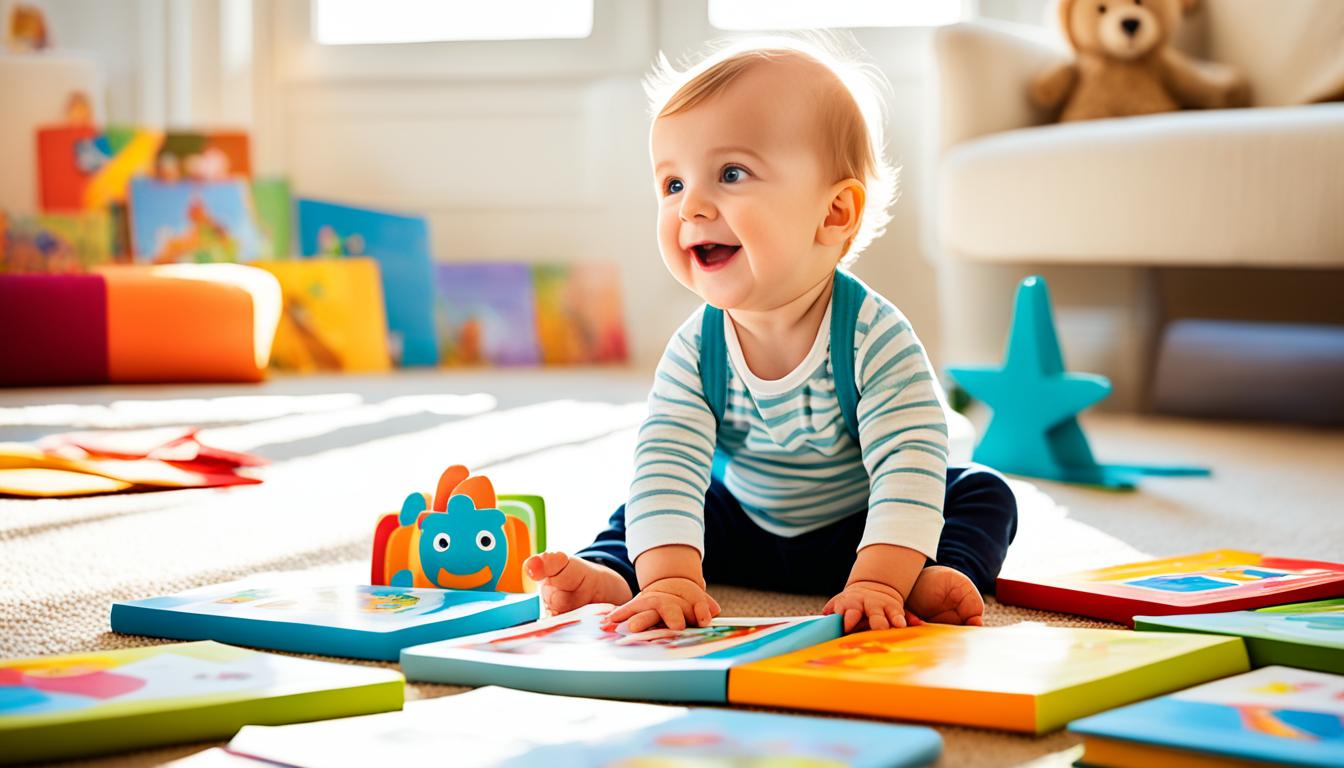

Yes, developmental leaps during Wonder Weeks do affect your baby’s mood. As they grow and learn rapidly, you’ll notice changes like fussiness, clinginess, and mood swings. These behaviors are normal and show their brain is making important connections. Your baby might need more comfort and reassurance during these times. Understanding these phases helps you respond with patience. Keep exploring to learn more about how to best support your little one through these exciting stages.
Key Takeaways
- Developmental leaps increase a baby’s brain activity, often causing mood swings and irritability.
- Babies may become fussier, clingier, or more emotional during Wonder Weeks due to rapid growth.
- These mood changes are normal and reflect the baby’s efforts to process new skills and understanding.
- Increased fussiness and emotional shifts are temporary and part of healthy development.
- Providing reassurance and maintaining routines help support your baby’s emotional well-being during these phases.

Wonder Weeks refer to specific periods during your baby’s first year when they go through significant developmental leaps. During these times, your little one experiences rapid brain growth, which can make them seem more clingy, irritable, or unsettled than usual. This is completely normal and often short-lived, but understanding what’s happening can help you support your baby through these changes. One way these leaps impact your baby is by influencing their attachment styles. As they become more aware of their environment and your presence, they may seek increased reassurance and closeness. This desire for connection can lead to more frequent cuddling, crying, or fussiness, especially if they’re feeling overwhelmed. It’s important to recognize that these behaviors are part of their natural development, not a sign of rejection or misbehavior. During these periods, your baby’s sleep might also be disrupted, resulting in sleep regression. They may wake more often during the night, resist naps, or have trouble settling down, which can be exhausting for both of you. Sleep regression during the Wonder Weeks isn’t due to a sleep disorder but rather reflects their brain’s intense learning process. As they develop new skills and understand more about their world, their sleep patterns temporarily shift. This can be frustrating, but knowing it’s a normal part of growth helps you stay patient. You might notice your baby becomes fussier or more clingy as they try to process these changes, and their mood can swing from contentment to frustration more easily. This heightened emotional state is a sign that their brain is making important connections. To support your baby, you should offer plenty of comfort and reassurance. Responding to their needs with patience helps foster secure attachment styles, which are essential for their emotional development. Additionally, understanding developmental leaps can help you better anticipate and manage your baby’s changing behavior during these times. Remember, the fussiness and sleep disruptions are temporary and will pass as your baby integrates these new skills and understanding. It’s helpful to stick to familiar routines during these times to provide a sense of stability. Also, try to be flexible—your baby might need extra cuddles or a little more time to settle down. Keep in mind that these developmental leaps are vital for your baby’s growth, even if they sometimes seem challenging. By understanding the link between these leaps, attachment styles, and sleep regression, you can better navigate the ups and downs of your baby’s first year. Supporting them with patience and love during these periods will strengthen your bond and contribute to their overall emotional health. Remember, every leap they go through is a step toward becoming a more curious and capable little person.

Pink Stork Baby Sleep Drops, Naturally Support Sleep Without Melatonin for Infants, Toddlers, and Kids, Aid Sleep with Chamomile and Magnesium, Baby Essentials for Bedtime, 1 oz, 30 Servings
Healthy sleep leads to happy, healthy babies! Pink Stork has delivered the latest addition to our Pink Stork…
As an affiliate, we earn on qualifying purchases.
As an affiliate, we earn on qualifying purchases.
Conclusion
So, as you observe your baby’s mood swings and developmental leaps, remember they’re part of a bigger journey. These Wonder Weeks bring growth, frustration, and joy all at once—each leap shaping your little one’s world. Embrace these moments, understand their purpose, and support their progress. Because in these challenging yet beautiful times, you’re not just witnessing development—you’re nurturing resilience, curiosity, and love, forging a bond that grows stronger with every leap your baby takes.

Baby Einstein Glow & Discover Light Bar Musical Toy, Activity Station, Sitting Up and Tummy Time Toy, Color and Animal Learning Toy, Infant Ages 3 Months+
The Baby Einstein Glow & Discover Light Bar Activity Station is a multisensory toy that engages baby with…
As an affiliate, we earn on qualifying purchases.
As an affiliate, we earn on qualifying purchases.

Zarbee's Baby Massage Oil, Calming and Soothing with Lavender and Chamomile to Help Sleep, 4oz Bottle
CALMING MASSAGE OIL FOR BABIES: Created with sensitive skin in mind, this non-greasy oil, made with lavender and…
As an affiliate, we earn on qualifying purchases.
As an affiliate, we earn on qualifying purchases.

Zooawa Loveys for Babies, Security Blanket Soft Stuffed Animal Bunny Lovey Unisex Lovie Baby Stuff Snuggle Blanket with Tags Teether Bells, Soothing Plush Toys Baby Gift for Newborn, Pink Rabbit
✨【Super Soft and Safe Baby Lovey】: Made of high-quality plush fabric with protruding dot on the surface, this…
As an affiliate, we earn on qualifying purchases.
As an affiliate, we earn on qualifying purchases.