

Establishing daily routines helps your baby feel secure and promotes healthy growth. Consistent sleep, feeding, and playtimes create predictability that builds confidence and emotional stability. Routines support better sleep quality and nutrition, which are essential for development. They also make caregiving easier and reduce stress for both of you. As your baby grows, routines can adapt, ensuring ongoing support for their evolving needs. Keep exploring to discover how routines can truly help your baby thrive.
Key Takeaways
- Consistent routines provide a secure environment, fostering emotional stability and confidence in babies.
- Regular sleep schedules and bedtime routines improve sleep quality and support healthy development.
- Predictable feeding times establish healthy eating habits and ensure proper nutrition and growth.
- Structured routines simplify caregiving, reducing stress and promoting a calm, nurturing atmosphere.
- Flexibility in routines allows adaptation to developmental milestones, ensuring ongoing growth and emotional well-being.

Establishing a consistent daily routine for your baby helps foster a sense of security and promotes healthy development. When your baby knows what to expect, they feel safer and more confident exploring their world. One of the most important aspects of this routine is maintaining regular sleep schedules. Babies thrive on predictability, so setting specific bedtimes and wake-up times helps regulate their internal clock. As you establish these sleep schedules, you’ll notice your baby falling asleep more easily and waking up refreshed. Consistent sleep routines, like a calming bath or reading a story before bed, signal to your baby that it’s time to wind down, making the shift to sleep smoother. Over time, a stable sleep schedule can lead to longer, more restful nights and better daytime alertness.
Alongside sleep routines, feeding routines play a vital role in your baby’s development. Consistent feeding times help your baby develop healthy eating habits and ensure they receive adequate nutrition. Whether you’re breastfeeding or bottle-feeding, sticking to regular intervals—such as every two to three hours during the day—helps establish a rhythm that your baby can anticipate. This predictability not only makes feeding sessions more manageable but also helps prevent fussiness caused by hunger. As your baby grows, their feeding routines will evolve, but maintaining a regular schedule during infancy supports healthy digestion and weight gain. Additionally, predictable feeding times foster a sense of stability, reducing your baby’s anxiety around mealtime.
Creating routines around sleep and feeding also offers benefits for you as a caregiver. When you follow a structured plan, it becomes easier to manage your day, plan activities, and get adequate rest yourself. Consistency in these routines minimizes stress, as both you and your baby know what to expect. Over time, these routines become a comforting part of your baby’s life, helping them develop self-soothing skills and a sense of stability. Recognizing the importance of dream symbols and their meanings can also provide insight into your baby’s emotional state and help you better understand their needs. Remember, while routines should be consistent, flexibility is essential as your baby grows and their needs change. Adjusting sleep and feeding schedules gradually guarantees your baby remains comfortable and secure.

Hudson Baby Unisex Baby Cotton Long-Sleeve Wearable Sleeping Bag, Sack, Blanket, Blue Whales, 0-3 Months
Safe sleep long-sleeve wearable blanket sleep sacks
As an affiliate, we earn on qualifying purchases.
As an affiliate, we earn on qualifying purchases.
Conclusion
Establishing daily routines helps your baby feel secure and supports their growth. Consistent schedules create a natural rhythm, making each day predictable and calming. When you stick to regular times for feeding, naps, and play, your baby learns what to expect, which fosters trust and stability. This steady rhythm not only nurtures their development but also strengthens your bond. By embracing routines, you help your little one thrive emotionally, physically, and socially.
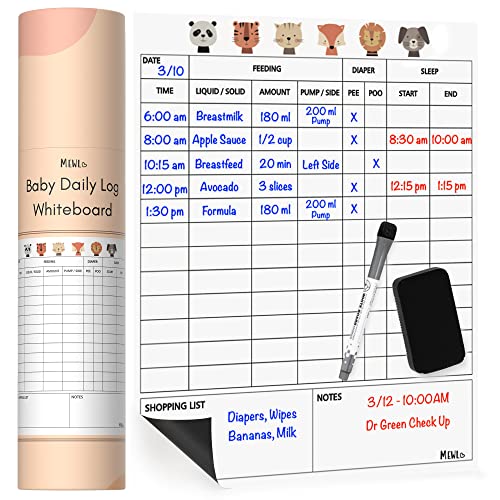
Mewl Baby Daily Log Whiteboard – Reusable Baby Tracker to Log Feeding, Diapers & Sleep – Newborn Baby Journal & Schedule Chart for New Parents, Nanny, Babysitter – Pregnancy & New Mom Gift
ALL IN ONE BABY TRACKER – Understand your baby’s routine and schedule by logging their feedings, diaper changes,…
As an affiliate, we earn on qualifying purchases.
As an affiliate, we earn on qualifying purchases.

Good Night, Farm: A Touch-and-Feel Storybook
As an affiliate, we earn on qualifying purchases.
As an affiliate, we earn on qualifying purchases.

Baby's Daily Log Book – A5 Baby Care planner for Newborns, Schedule for Tracking Newborn's Daily Routine, 152 Easy to Fill Pages Track and Monitor Nursing, Sleep, Feeding, Diapers, Pumping and More
THOUGHTFUL INFANT CARE – With this daily baby care journal book, you can record various details of baby's…
As an affiliate, we earn on qualifying purchases.
As an affiliate, we earn on qualifying purchases.