
To foster curiosity with simple science fun for toddlers, take them outdoors to explore nature’s wonders. Use everyday objects like leaves, rocks, and flowers to spark their interest, encouraging questions about textures, colors, and patterns. Introduce tools like magnifying glasses and promote hands-on activities such as sorting or collecting natural items. These experiences support early learning, boost observation skills, and build a love for discovery. Keep exploring new ideas, and you’ll find plenty more ways to inspire their natural curiosity.
Key Takeaways
- Use natural objects like leaves, rocks, and flowers to spark curiosity and encourage sensory exploration.
- Incorporate simple tools such as magnifying glasses to examine tiny details and promote scientific thinking.
- Create hands-on activities like sorting, matching, and pouring to develop fine motor skills and understanding of textures.
- Turn outdoor walks into mini science adventures by asking questions about colors, patterns, and textures of nature.
- Keep activities fun, accessible, and cost-effective by integrating exploration into everyday routines and outdoor play.

Introducing simple science fun for toddlers is a great way to spark their curiosity and encourage early learning. One of the best ways to do this is through nature exploration and sensory activities that engage their senses and ignite their sense of wonder. When you take your little one outside, you open the door to countless opportunities for discovery. You can encourage them to observe leaves, rocks, bugs, and flowers, which helps develop their observational skills and introduces basic scientific concepts like textures, colors, and patterns. As they touch different surfaces, they learn about the properties of nature through their fingertips, fostering a natural curiosity about the world around them.
Exploring nature and using sensory activities spark curiosity and early scientific understanding in toddlers.
Sensory activities are especially effective because they actively involve your toddler’s senses—touch, sight, sound, smell, and even taste in some safe contexts. For example, giving them a tray of different natural objects like pinecones, shells, and smooth stones invites them to explore these items through touch and sight. You can also incorporate water play, where they can splash, pour, and observe how water reacts to different objects. These activities aren’t just fun; they help your child understand cause and effect, improve fine motor skills, and build a foundation for scientific thinking. Plus, sensory play is inherently calming and helps children process new information more effectively.
You can enhance nature exploration and sensory activities with simple tools like magnifying glasses, which allow your toddler to examine tiny details of leaves or insects more closely. Collecting natural objects on walks and then sorting or comparing them provides additional learning moments. Encourage your child to ask questions—what does this leaf feel like? Why does this rock look different? Their curiosity can be nurtured by patiently exploring answers together, turning each outing into a mini science adventure. According to early childhood development theories, engaging children in exploratory activities significantly supports their cognitive growth and curiosity.
Incorporating these activities into your routine doesn’t require elaborate setups or expensive equipment. Sometimes, all it takes is a walk in the park or a handful of natural materials from your backyard. These moments teach your toddler about the natural world in a hands-on way, making science feel accessible and exciting. As they observe, touch, and wonder, you’re helping them develop critical thinking skills and a lifelong love of discovery. By making nature exploration and sensory activities a regular part of your child’s day, you’re laying the groundwork for future scientific curiosity and fostering a joyful, inquisitive mindset right from the start.
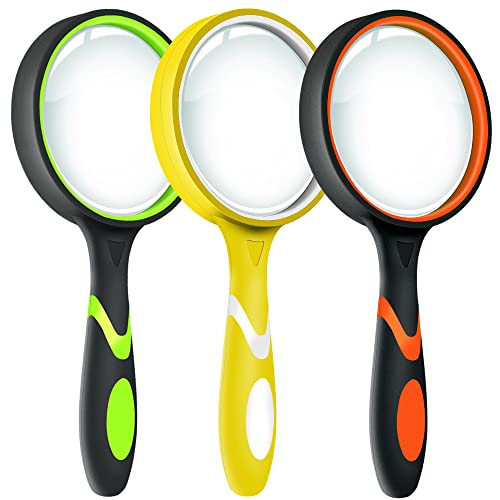
Leffis 3 Pack Magnifying Glass, 10X Non-Slip Handheld Reading Magnifier for Kids and Seniors, 75mm Magnifying Glass Lens for Reading, and Nature Exploration
Thick and Durable Glass Lens: Leffis magnifying glass is made of high-quality glass. And it has an anti-scratch…
As an affiliate, we earn on qualifying purchases.
As an affiliate, we earn on qualifying purchases.
Conclusion
By encouraging your toddler’s curiosity through simple science activities, you’re nurturing their love for learning from an early age. Did you know that children who explore science early on tend to develop stronger problem-solving skills later? So, keep experimenting, asking questions, and discovering together. These small moments of curiosity not only make learning fun but also lay the foundation for a lifelong passion for discovery. Your involvement truly makes a difference in their educational journey.
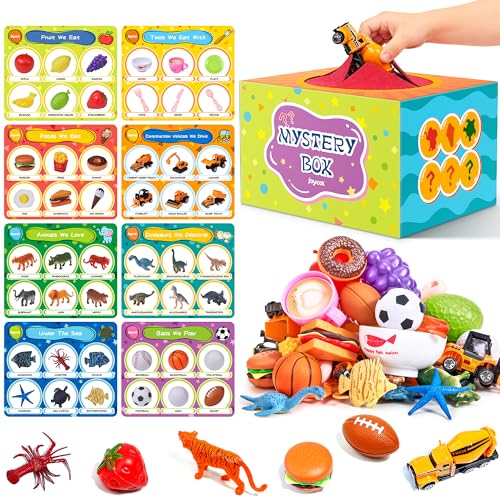
JoyCat Sorting Toys for Toddlers – Sensory Play Box with 48 Sorting Objects, Montessori Preschool Learning Toy to Support Early Cognitive & Speech Development for Ages 2–5
Sensory Sorting Toy for Early Learning: Designed as a hands-on sensory sorting toy, this play set helps toddlers…
As an affiliate, we earn on qualifying purchases.
As an affiliate, we earn on qualifying purchases.

National Geographic Junior Chemistry Set – Complete Early Learning Lab Kit with 50 Science Experiments for Kids and 20+ Lab Tools, Chemistry Set, Science Experiments for Kids 4-6
A COMPLETE CHEMISTRY LAB FOR YOUNG SCIENTISTS – Perfectly crafted for budding scientists aged 4 and up, this…
As an affiliate, we earn on qualifying purchases.
As an affiliate, we earn on qualifying purchases.

SMILESSKIDDO Kids Explorer Kit, 27 Pcs Outdoor Explorer Kit & Bug Catching Kits – Kid Nature Kits Outdoor Camping Adventure Toys for Kids 3+ Years Old
Complete kids adventure kit – This toddler explorer kit will fulfill kids' needs for outdoor exploration, the kids…
As an affiliate, we earn on qualifying purchases.
As an affiliate, we earn on qualifying purchases.