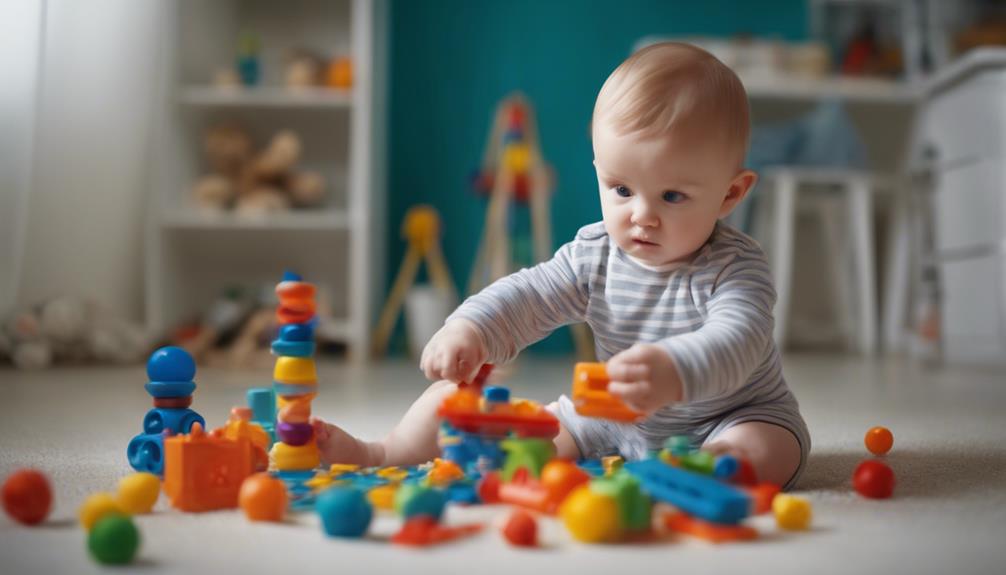

Understanding early brain development in babies is essential. The neural tube forms around 2 weeks post-conception, with myelination starting in the second trimester. Limbic system development affects emotions and memory, while gyri and sulci appear on the brain's surface. Neurons enhance brain function through communication. Positive experiences enhance brain health, shaping neural connections. The first three years are vital for brain plasticity. Trauma can hinder proper brain growth. Screen time should be limited to encourage interactive play. Nutrition and varied interactions support cognitive functions. Ultimately, early experiences form the basis for future cognitive capabilities.

Turn the school run and nap time into listening time
- Thousands of audiobooks, podcasts and originals
- Listen on your phone, tablet or Echo — also offline
- Cancel anytime
Key Takeaways
- Early experiences significantly impact brain development.
- Positive interactions shape neural connections.
- Trauma can hinder proper brain growth.
- Quality caregiving fosters optimal brain development.
- Limit screen time to promote interactive play.
Key Stages of Brain Development
During early development, your baby's brain undergoes important stages that are essential for their cognitive growth and overall functioning. From the formation of the neural tube around 2 weeks after conception to the myelination process starting in the second trimester of pregnancy, your baby's brain rapidly progresses.
Beneath the cerebral cortex, the limbic system, responsible for emotions and memory, develops during these early stages. As the gyri and sulci appear on the brain's surface in the second trimester, brain functionality is enhanced.
Understanding the intricate details of brain anatomy and neuron communication is essential in comprehending the cognitive and behavioral changes that occur during this period. These early stages lay the foundation for your baby's future cognitive abilities and behavior, highlighting the significance of proper brain development from the very beginning.
Impact of Early Experiences

Early experiences wield a significant influence on children's brain development. The impact of these early experiences can shape a child's brain in important ways, influencing their cognitive and emotional abilities throughout life.
Research shows that positive early experiences, such as quality early learning and responsive caregiving, can contribute to a child's healthy brain development. The concept of 'Serve and return' highlights the importance of interactions between caregivers and children in shaping neural connections.
During the critical period of the first three years, a child's brain exhibits high plasticity, making it particularly receptive to environmental influences. Conversely, negative early childhood experiences can have detrimental effects on a child's brain development, potentially leading to long-term consequences.
It's essential to provide a nurturing and stimulating environment for children during their early years to support excellent brain development and set the foundation for future success and well-being.
Role of Trauma in Development

Understanding the impact of trauma on brain development in babies and young children is vital for recognizing potential long-lasting effects and providing necessary support. Trauma, such as birth trauma or inappropriate experiences during early childhood, can greatly impede proper brain development.
The effects of trauma on a developing brain can be profound and enduring, potentially leading to various challenges in cognitive, emotional, and social development. It's important to acknowledge that early childhood trauma, whether due to medical procedures, environmental stressors, or other factors, can have detrimental consequences that extend into later stages of life if not addressed appropriately.
Recognizing the impact of trauma on young children's brain development highlights the importance of implementing effective interventions and support systems. By offering appropriate support tailored to the individual needs of each child, it becomes possible to mitigate the negative effects of trauma and promote healthier developmental outcomes.
Early identification and intervention can play a pivotal role in fostering resilience and facilitating optimal brain growth in the face of challenging experiences.
Promoting Brain Growth

Promoting brain growth in young children involves providing safe exploration opportunities and fostering nurturing relationships. To enhance early brain development, consider the following strategies:
- Limit Screen Time: Excessive screen time can hinder brain growth in children. Encourage interactive play and real-world experiences instead.
- Ensure Proper Nutrition: A well-balanced diet is essential for young brain development. Nutrient-rich foods support the development of brain architecture and cognitive functions.
- Encourage Varied Interactions: Social interactions play an important role in promoting brain growth. Encourage children to engage with peers, adults, and the environment to stimulate different areas of the brain.
Brain Development and Experience

To foster ideal brain development in young children, it's essential to recognize the significant impact that experiences and interactions have on shaping their cognitive growth. During the early years, when the brain is rapidly developing, millions of neural connections are formed based on the touch, talk, sight, and sound provided by caregivers. These interactions play a pivotal role in influencing brain development and laying the foundation for future learning capabilities.
Quality early learning environments also play a critical role in shaping brain development. By providing infants with repetitive routines and positive relationships, caregivers create an excellent setting for healthy growth. These environments not only stimulate the formation of neural connections but also help children develop essential cognitive skills.
Frequently Asked Questions
Does 90% of Brain Growth Happen Before Kindergarten?
Yes, 90% of brain growth happens before kindergarten. Your child's brain doubles in size in the first year and reaches 80% of adult size by age 3. Early childhood is essential for forming lasting brain connections.
How Do I Know My Baby's Brain Is Developing?
As you watch your little one bloom, notice their curiosity, responsiveness, and new skills. Celebrate their milestones and seek positive interactions. Engage in talking, singing, and playing to nurture their growing brain.
At What Stage Does Baby Brain Development Start?
Baby brain development kicks off around 2 weeks after conception with the neural tube formation. That's the start of the amazing journey where your little one's brain grows and evolves, setting the stage for future learning and development.
What Is the Most Critical Time for Brain Development?
Your brain's growth is like a rocket launch with the most important time being the early years. From birth until about age 3, your brain is turbocharged for development, setting the stage for lifelong learning.
Conclusion
To sum up, understanding the intricate process of baby brain development is essential for providing the best possible environment for growth and learning.
By recognizing the key stages, impact of early experiences, and promoting brain growth through positive interactions, we can help shape the foundation for a child's future.
Remember, every interaction, every moment, plays a role in shaping the developing brain, so make each one count.
Your efforts today will have a lasting impact tomorrow.
Fall Picks
fall essentials
As an affiliate, we earn on qualifying purchases.