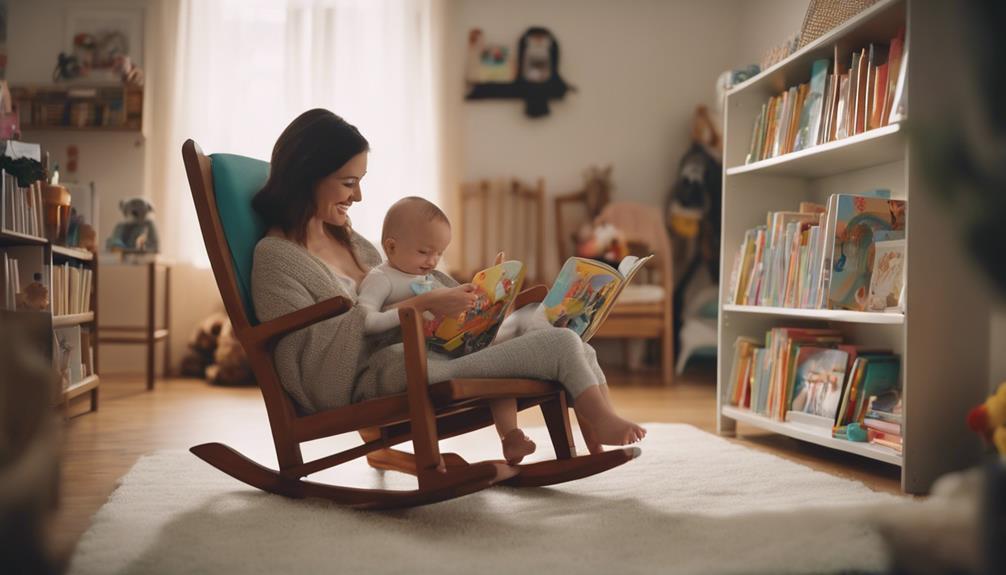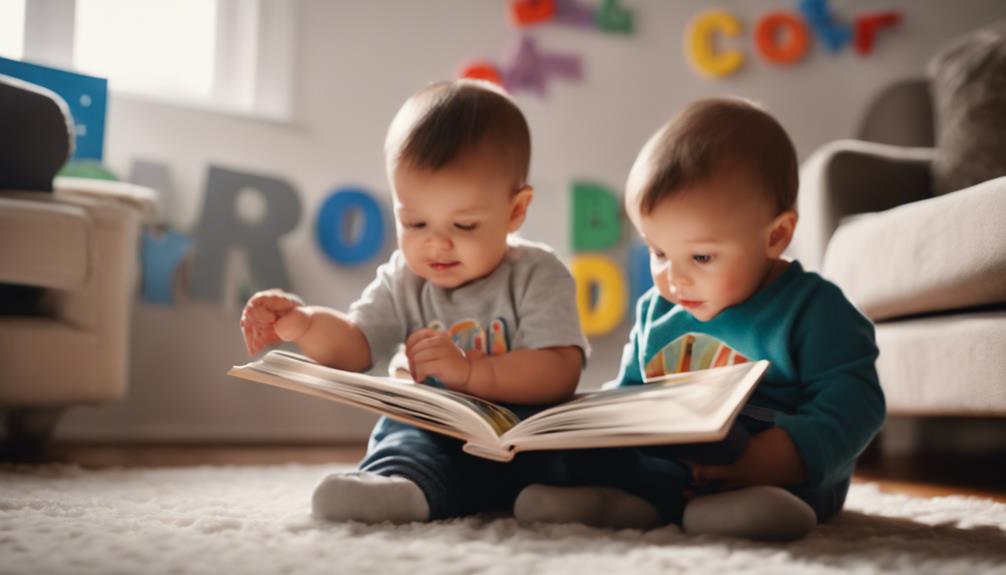

Re-reading a book helps your child deepen their understanding, build confidence, and expand their vocabulary. Each time they revisit the story, they notice new details, clarify confusing parts, and connect ideas more easily. This repetition makes them more comfortable with the language, improves sound recognition, and encourages fluency. By engaging actively, your child develops essential skills that support lifelong learning. Keep exploring, and you’ll discover even more ways re-reading boosts their growth.
Key Takeaways
- Re-reading deepens comprehension and helps children notice new details or clarify confusing parts of the story.
- It accelerates vocabulary development by reinforcing exposure to new words in context.
- Repetition builds confidence and fluency, making children more comfortable with storytelling and language use.
- Multiple readings foster active engagement, critical thinking, and a stronger connection to the material.
- Re-reading supports foundational literacy skills, encouraging a lifelong love of reading and academic success.

Re-reading plays a crucial role in helping children learn because it reinforces understanding and builds confidence. When you encourage your child to revisit the same book multiple times, you’re providing opportunities for interactive engagement that deepen their connection to the story and its language. Each re-read allows your child to notice new details, clarify confusing parts, and solidify their grasp of the material. This process not only makes reading feel more familiar and enjoyable but also actively involves them in the learning process, making the experience more meaningful.
As your child becomes more comfortable with a book through repeated readings, their vocabulary development naturally accelerates. Kids pick up new words by hearing them repeatedly in context, which helps them understand subtle meanings and usage. For example, a word that once seemed unfamiliar might become part of their everyday vocabulary after several readings. This exposure to varied language within a familiar story boosts their ability to recognize and use new words confidently. When you read the same book again and again, you’re giving your child the chance to internalize vocabulary, making it easier for them to recall and apply new words in different situations.
Re-reading also supports your child’s comprehension skills. Each time they revisit a story, they gain a deeper understanding of the plot, characters, and themes. This repeated exposure helps them connect ideas and see patterns they might have missed initially. As a result, they become more active participants in the reading process, asking questions and predicting outcomes, which fosters critical thinking. Furthermore, re-reading helps children develop a sense of mastery and independence. When they recognize the words and follow the storyline with less effort, their confidence grows, encouraging a positive attitude toward reading.
You might notice that your child begins to anticipate parts of the story or even recite lines from memory. These are signs that they are internalizing the story and engaging with it on a deeper level. Re-reading also provides a safe space for your child to experiment with language, practice pronunciation, and improve fluency. With every repetition, they refine their reading skills and build a stronger foundation for more complex texts down the line. Additionally, repeated reading can support literacy development, which is essential for overall academic success. Overall, re-reading isn’t just about familiarity; it’s a powerful tool for fostering interactive engagement, enriching vocabulary, and developing a lifelong love of reading.
Top picks for "same book lesson"
Open Amazon search results for this keyword.
As an affiliate, we earn on qualifying purchases.
Conclusion
Re-reading turns a simple story into a treasure chest of understanding, revealing new insights with each visit. As you guide your child through familiar pages, you’re planting seeds of confidence and curiosity that grow stronger over time. Remember, every re-read is like peeling back another layer of an onion—revealing deeper meaning and fostering a lifelong love for learning. So, keep turning those pages; each read is a step closer to a world of endless discovery.