Using touch-and-feel and lift-the-flap books with your baby encourages sensory engagement and exploration. As you guide them through different textures and surprises, you promote their tactile skills, curiosity, and language development. These interactive books also foster emotional bonding and patience during shared play. By making storytime fun and engaging, you help your baby build confidence and learn about their world. Keep exploring to discover even more ways to make these experiences enriching for your little one.
Key Takeaways
- Use touch-and-feel books to stimulate tactile senses and enhance fine motor skills through exploring different textures.
- Incorporate lift-the-flap books to encourage active participation, curiosity, and problem-solving during storytime.
- Guide your baby to touch, lift, and explore to promote sensory development and early vocabulary growth.
- Share interactive reading experiences to strengthen emotional bonds and teach patience and turn-taking.
- Choose age-appropriate books to support cognitive, emotional, and cultural awareness through engaging tactile and visual elements.

Have you ever wondered how books can become more than just words on a page? When you introduce your baby to interactive books, you’re opening the door to a world of sensory exploration and developmental growth. These books are specially designed to engage your little one’s senses through touch, sight, and even sound. By doing so, they don’t just entertain—they help your baby develop essential skills that lay the foundation for future learning.
Touch-and-feel books are perfect for encouraging sensory exploration. As your baby runs their fingers over different textures—soft fur, bumpy ridges, or smooth surfaces—they’re not only discovering new sensations but also strengthening their tactile perception. This hands-on experience boosts their ability to differentiate textures and enhances fine motor skills. Lift-the-flap books take this engagement even further, inviting your baby to actively participate by uncovering surprises beneath flaps. This interaction fosters curiosity, patience, and problem-solving skills, all while making reading a fun, dynamic activity.
Touch-and-feel books boost tactile skills and curiosity through sensory exploration and interactive discovery.
Using these books regularly offers numerous developmental benefits. For starters, they improve hand-eye coordination as your baby reaches, grasps, and lifts the flaps or touches various textures. They also promote language development because you can describe what’s happening, introduce new words, and encourage your baby to mimic sounds or repeat words. The interactive nature of these books helps your little one associate words with actions or objects, speeding up their vocabulary growth. Furthermore, these activities support cognitive development by encouraging your baby to anticipate what might happen next or remember where certain flaps hide a surprise.
Introducing interactive books early on can also bolster emotional development. When your baby explores these books with your guidance, they learn about patience and turn-taking. Celebrating their discoveries builds confidence and a sense of achievement. Plus, the shared experience of reading together strengthens your bond, making story time a cherished daily routine. Additionally, understanding the importance of cultural narratives through stories can help your child develop a broader awareness of the world around them.
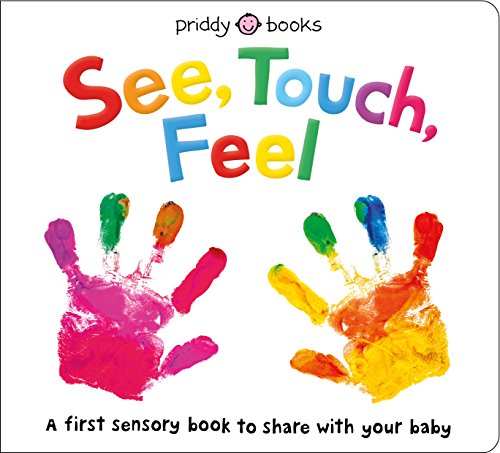
See, Touch, Feel: A First Sensory Book
As an affiliate, we earn on qualifying purchases.
As an affiliate, we earn on qualifying purchases.
Conclusion
Incorporating touch-and-feel and lift-the-flap books into your baby’s reading routine creates a playful, engaging experience that sparks curiosity. Think of it as your little one’s own version of a virtual reality adventure—minus the headset, of course. These books help develop their senses and motor skills while making storytime fun. So, grab a book, maybe even a vintage one from grandma’s attic, and watch your baby’s eyes light up with wonder, just like discovering a secret message from the past.

Let's Go With Elmo – A First Lift-a-Flap Sound Book for Babies and Toddlers
As an affiliate, we earn on qualifying purchases.
As an affiliate, we earn on qualifying purchases.
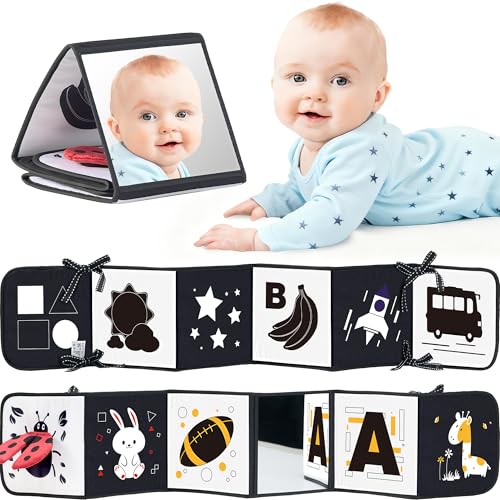
Black and White Baby Books for Newborn – Tummy Time Mirror & Sensory Toys Soft Montessori Toy for Infant Visual Stimulation, Brain Development & Early Learning – High Contrast Toys for 0-6 Months
Stimulate Your Baby’s Senses: This black and white baby book, designed for babies 0-6 months, features high-contrast black…
As an affiliate, we earn on qualifying purchases.
As an affiliate, we earn on qualifying purchases.

Baby Einstein – My First Library Board Book Block 12-Book Set – First Words, Alphabet, Numbers, and More! – PI Kids
As an affiliate, we earn on qualifying purchases.
As an affiliate, we earn on qualifying purchases.