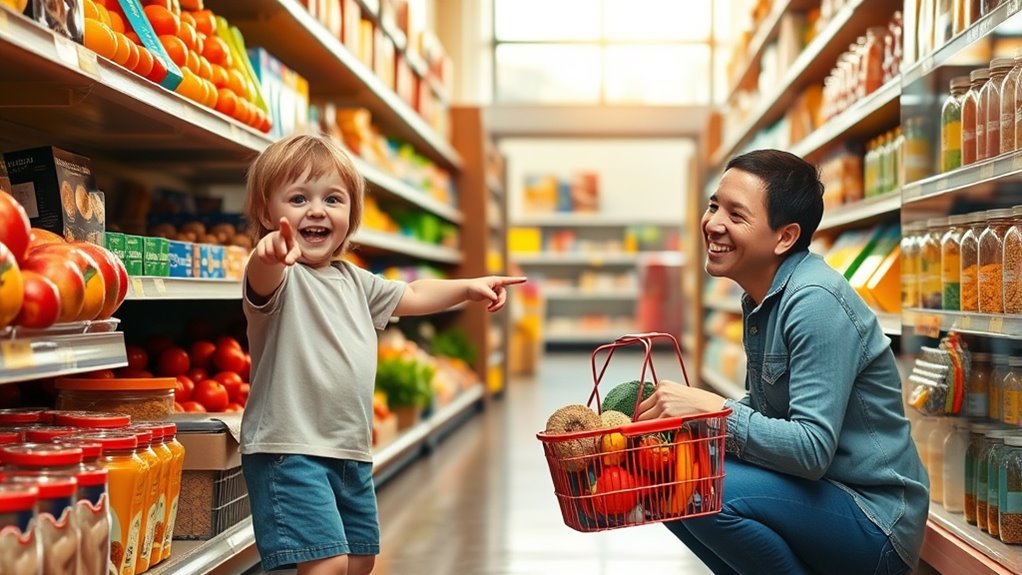

Turn your grocery shopping into a fun, educational experience by treating each aisle as a mini classroom. Compare brands and produce to learn about nutrition and ingredients, practice price comparison to sharpen budgeting skills, and stay open to trying new items that fit your budget. Use labels to identify hidden ingredients and consider sales or seasonal offers to make smarter choices. Keep an eye on small lessons that can boost your health and finances—you’ll discover more with each trip.

Turn the school run and nap time into listening time
- Thousands of audiobooks, podcasts and originals
- Listen on your phone, tablet or Echo — also offline
- Cancel anytime
Key Takeaways
- Approach each aisle as a mini classroom by comparing products for nutritional value and ingredient quality.
- Use price comparisons and label reading to teach budgeting and mindful spending in real time.
- Stay flexible with your shopping list to explore new items and make the experience engaging and educational.
- Read nutrition labels to identify hidden additives, fostering critical thinking about food choices.
- View shopping as a growth opportunity by reflecting on lessons learned to improve future health and financial decisions.
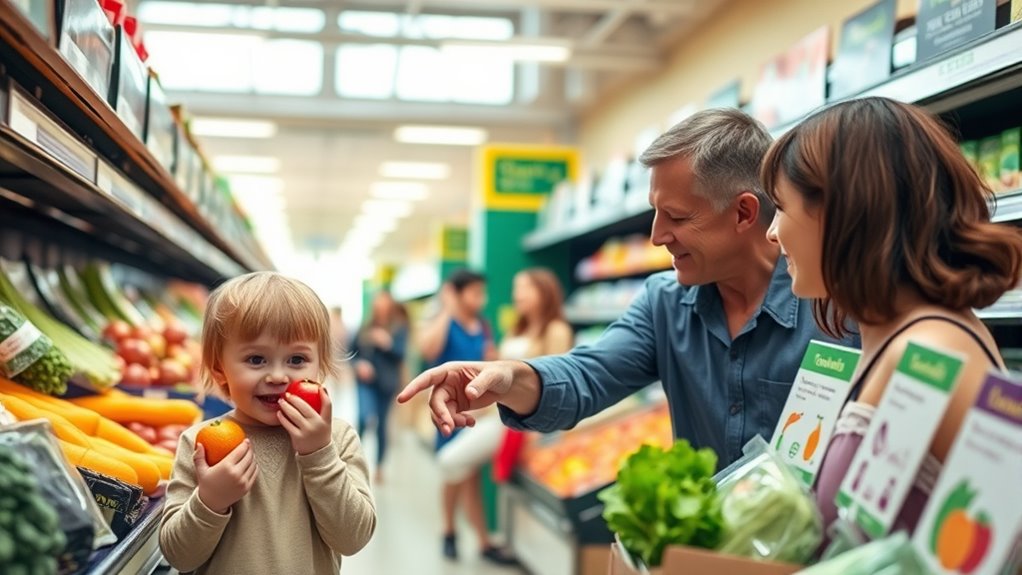
Have you ever found yourself learning something new on the fly, without prior planning? Grocery shopping is a perfect opportunity to turn a routine chore into an impromptu learning experience. Instead of just grabbing what’s on your list, think of it as a chance to pick up valuable skills like nutrition tips and budgeting strategies. When you approach shopping with a curious mindset, every aisle becomes a classroom. For example, as you compare different brands or types of produce, you can learn about their nutritional value, ingredients, and how they fit into your dietary goals. This quick assessment helps you make smarter choices, ultimately improving your health without needing a dedicated lesson.
Budgeting strategies can also be practiced on the spot. When you glance at the price tags, you’re naturally comparing costs, which enhances your ability to get the most value for your money. You might notice that store-brand items are often cheaper and just as good as name-brand products, reinforcing the importance of reading labels and understanding quality versus cost. Over time, these small observations sharpen your financial skills, helping you stay within budget while still buying nutritious foods. Plus, by planning your purchases based on sales, discounts, or seasonal items, you develop an instinct for smarter shopping, which translates into better money management overall.
Practicing on-the-spot budgeting by comparing prices boosts your financial savvy and promotes smarter shopping habits.
As you move through the store, consider your shopping list as a guide but stay flexible. If you see a different vegetable on sale or a new snack that fits within your budget, embrace the opportunity to try something new. This encourages a mentality of experimentation, which keeps grocery shopping engaging rather than tedious. It also teaches you to adapt quickly, a useful skill in many areas of life. Learning to balance what you need with what’s available helps you develop an intuitive understanding of how to maximize both your nutrition and your spending.
Using your time in the grocery store to think critically about your choices can boost your overall knowledge. For instance, reading nutrition labels on packaged foods can reveal hidden sugars, preservatives, or unhealthy fats. These small lessons help you refine your eating habits over time. Meanwhile, comparing prices and store layouts teaches you to make strategic decisions, saving you money on future shopping trips. By turning this routine activity into an impromptu education session, you’re building a toolkit of practical skills that serve you well beyond the grocery store. Each visit becomes an opportunity to learn, adapt, and improve your approach to food, health, and finances—all without formal lessons or extra effort. Engaging in such mindful shopping practices also aligns with the principles of the Law of Attraction by fostering a positive mindset about your health and financial goals.
As an affiliate, we earn on qualifying purchases.
Frequently Asked Questions
How Can I Adapt Impromptu Learning for Different Age Groups?
You can adapt impromptu learning for different age groups by using age-appropriate strategies and adaptive learning techniques. For younger kids, focus on simple counting or color recognition, turning shopping into a fun game. For older children, include budgeting or nutrition discussions, encouraging critical thinking. Tailoring activities to their developmental level keeps them engaged and helps them learn effectively, no matter their age.
What Are Some Common Challenges During Grocery Store Lessons?
Imagine you’re teaching kids about nutrition, but they get distracted by colorful displays. Common challenges include managing time effectively and handling distractions. You might find yourself rushing or losing focus, which hampers learning. To overcome this, plan your route, set clear objectives, and keep kids engaged through quick questions or activities. Staying organized and attentive helps you maintain control and makes the lesson enjoyable for everyone.
How to Ensure Safety While Engaging Kids in Shopping Activities?
To guarantee safety during shopping activities, you should always prioritize child supervision, keeping a close eye on your kids at all times. Teach them basic safety rules and make sure they understand what to do in emergencies. Be prepared for unexpected situations by carrying a first aid kit and knowing store emergency exits. By staying vigilant and prepared, you create a safe environment where kids can learn and have fun.
Are There Specific Topics Best Suited for Grocery Store Lessons?
When considering topics for grocery store lessons, focus on practical skills like creating a shopping list and understanding nutrition tips. You can teach kids how to read labels, identify healthy options, and compare prices. These lessons make shopping educational and fun, helping kids develop essential life skills. By engaging them in choosing nutritious foods and planning meals, you turn an ordinary trip into an enriching experience.
How Do I Assess Learning Outcomes From Impromptu Lessons?
Imagine your lessons are seeds; assessment strategies help you gauge their growth. To assess learning outcomes, you can observe your child’s engagement, ask open-ended questions, or have them explain concepts back to you. Use learning evaluation techniques like quick quizzes or reflections. These methods reveal what they’ve absorbed and which areas need reinforcement, making your impromptu lessons both fun and effective—transforming everyday moments into meaningful learning experiences.
Conclusion
Next time you’re wandering the grocery aisles, see it as a classroom waiting to happen. Picture your little one’s eyes lighting up as they spot colorful fruits or count bright cereal boxes. Turn an everyday chore into a lively lesson, filling their mind with curiosity and wonder. With just a little imagination, grocery shopping becomes a fun adventure, teaching lessons that stick long after you’ve left the store. Embrace these moments—they’re your child’s next big discovery.
Cold & flu season Picks
humidifiers
As an affiliate, we earn on qualifying purchases.