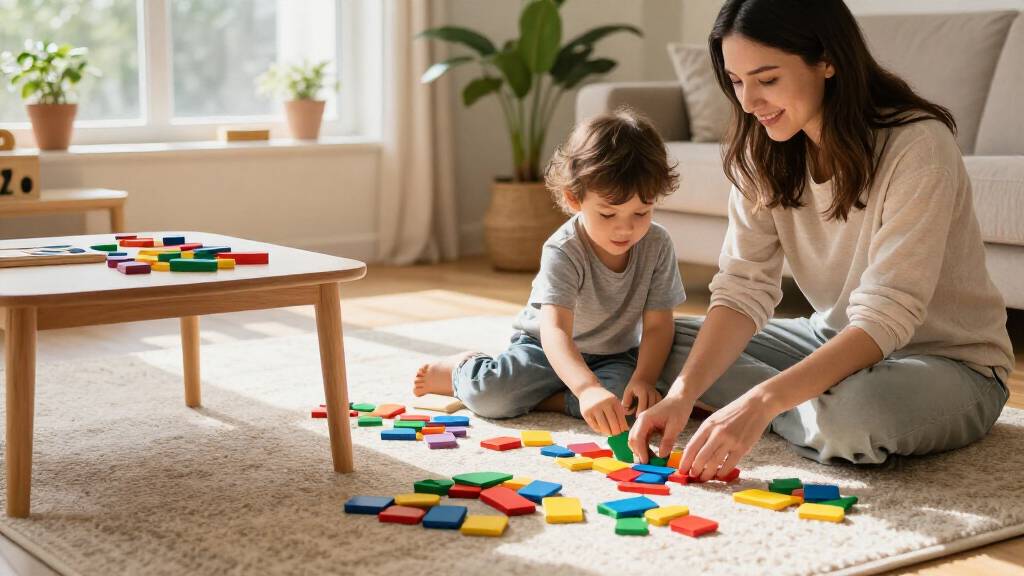

The best color matching game overall is SmartGames Color Code, which stands out for turning color and shape recognition into a layered logic puzzle. For lively group play, Hues and Cues invites players to describe colors and compare interpretations, while MasterPieces Colors & Shapes Match builds early matching skills with a simpler format. The main tradeoff is between quick, tactile rounds and games that ask players to reason, describe, or plan several moves ahead. Age, player count, and whether you want solo or social play can change which option fits best. Read on for the full breakdown of all 15 games and a guide to choosing the right kind of challenge.

Give the gift of listening to the whole family
- Choose a 1-, 3-, 6- or 12-month membership
- They pick the audiobooks they love
- Easy to send by email
Complete the kit


Key Takeaways
- SmartGames Color Code stands apart from the stacking sets: its transparent tiles create a visual logic puzzle that rewards planning rather than speed.
- Hues and Cues is the clearest pick for groups who want conversation and subjective color interpretation, not a single matching answer.
- Several listings use similar names for two-pack stacking challenges; compare the stated player count and included pieces instead of assuming the sets are identical.
- Trend Colors and Shapes Match Me and MasterPieces Colors & Shapes focus on matching more than color alone, which can better suit young learners building shape recognition too.
- The two Vodolo bottle-color sets offer a distinct hands-on sorting format, while the caterpillar and Pete the Cat games add familiar themes for children who respond to character-led play.
| Color Stack Challenge Color Matching Game |  | Best Overall for Quick Head-to-Head Puzzles | Brand: WHAT DO YOU MEME? | Model: CG4138 | Recommended age: 6 years and up | VIEW LATEST PRICE | See Our Full Breakdown |
| Color Challenge Game, 2-Pack Color-Matching Stacking Puzzle |  | Best for Card Variety | Brand: Hcusus | Players: 2 | Minimum age: 6 years | VIEW LATEST PRICE | See Our Full Breakdown |
| Trend Colors and Shapes Match Me Game |  | Best for Preschool Groups | Brand: Trend Enterprises | Model: 58103 | Age range: 3–6 years | VIEW LATEST PRICE | See Our Full Breakdown |
| SmartGames Color Code Transparent Tile Logic Puzzle |  | Best for Solo Logic Play | Brand: SmartGames | Model: SG 090US | Age range: 5 years to adult | VIEW LATEST PRICE | See Our Full Breakdown |
| Hues and Cues Color Guessing Board Game |  | Best for Color-Guessing Parties | Brand: USAOPOLY | Players: 3–10 | Recommended age: 8 years and up | VIEW LATEST PRICE | See Our Full Breakdown |
| FLLOBE Color Challenge Game, 2-Pack |  | Best for Adjustable Solo or Head-to-Head Play | Brand: FLLOBE | Model: SCDD002 | Players: 1 or 2 | VIEW LATEST PRICE | See Our Full Breakdown |
| MasterPieces Colors & Shapes Matching Game for Kids |  | Best for Early Color-and-Shape Learning | Brand: MasterPieces | Model number: 11949 | Age range: 3 years and up | VIEW LATEST PRICE | See Our Full Breakdown |
| The Very Hungry Caterpillar Rainbow Picnic Color Matching Game, Ages 3+ |  | Best for Preschool Group Play | Brand: Briarpatch | Age range: 3 years and up | Players: 2 to 4 | VIEW LATEST PRICE | See Our Full Breakdown |
| Minoskia Color Matching Challenge Game, 2-Pack, 2–4 Players |  | Best for Flexible Group Modes | Brand: Minoskia | Model: 207-94D | Players: 2–4 | VIEW LATEST PRICE | See Our Full Breakdown |
| Educational Insights Pete the Cat I Love My White Shoes Game |  | Best for Character-Led First Games | Manufacturer: Educational Insights | Model number: 3470 | Players: 2–4 | VIEW LATEST PRICE | See Our Full Breakdown |
| Color Matching Challenge Stacking Game, 2-Pack |  | Best for Travel-Friendly Head-to-Head Play | Brand: modopia | Set: 2-pack | Players: 2–4 | VIEW LATEST PRICE | See Our Full Breakdown |
| Learning Resources Color Cubed Strategy Game |  | Best for Strategic Card-Based Matching | Players: 2–6 | Recommended age: 5+ | Included components: 40 cards and activity guide | VIEW LATEST PRICE | See Our Full Breakdown |
| Vodolo Bottle Color Matching Game Set, 20 Pieces |  | Best for Preschool Color Sorting | Brand: Vodolo | Model number: CA-287 | Pieces: 20 bottles | VIEW LATEST PRICE | See Our Full Breakdown |
| 2-Pack Color Matching Challenge Game for 2–4 Players |  | Best for Younger Ring-Stacking Players | Brand: BBnote | Model: 207-94D | Players: 2–4 across two sets; 1–2 per set | VIEW LATEST PRICE | See Our Full Breakdown |
| Vodolo Bottle Color Match Game, 20-Piece Family Matching Set |  | Best for Adjustable Two-Player Matching | Brand: Vodolo | Model: CA-287 | Set contents: 20 bottles in 10 colors, 2 sorting boxes, storage bag | VIEW LATEST PRICE | See Our Full Breakdown |
| color matching game | Brand | Included components | Material | Players |
|---|---|---|---|---|
| Color Stack Challenge Color Ma | WHAT DO YOU MEME? | 2 racks, 80 rings, 50 challenge cards, instructions | — | — |
| Color Challenge Game | Hcusus | — | — | 2 |
| Trend Colors and Shapes Match | Trend Enterprises | 48 game pieces, 8 double-sided game boards, storage box | Paper | 1–8 |
| SmartGames Color Code Transpar | SmartGames | Game board, tile pieces, challenge booklet | Plastic | — |
| Hues and Cues Color Guessing B | USAOPOLY | Game board, 100 color cards, 30 player pieces, scoring frame, rulebook | — | 3–10 |
| FLLOBE Color Challenge Game | FLLOBE | 2 stack racks, 100 challenge cards, 120 rings, 1 bell, 1 storage bag, instructions | — | 1 or 2 |
| MasterPieces Colors & Shapes M | MasterPieces | Colors & Shapes Matching Jigsaw Puzzles | Cardboard | — |
| The Very Hungry Caterpillar Ra | Briarpatch | 4 rainbow boards, 24 food items and stands, game board, 36 cards, instructions | Cardboard | 2 to 4 |
| Minoskia Color Matching Challe | Minoskia | — | Plastic | 2–4 |
| Educational Insights Pete the | — | 4 Pete the Cat boards, 16 colored tokens, guitar-shaped color randomizer, game board | Cardboard | 2–4 |
| Color Matching Challenge Stack | modopia | 2 stack racks, 80 rings, 50 challenge cards (25 easy, 25 hard), connectors, instructions | Plastic | 2–4 |
| Learning Resources Color Cubed | — | 40 cards and activity guide | Plastic | 2–6 |
| Vodolo Bottle Color Matching G | Vodolo | Two sorting boxes and storage bag | ABS plastic | — |
| 2-Pack Color Matching Challeng | BBnote | 2 bases, 12 cylinders, 80 colorful rings, 1 snap fastener, 50 challenge cards, 1 instruction manual | Plastic | 2–4 across two sets; 1–2 per set |
| Vodolo Bottle Color Match Game | Vodolo | — | Acrylonitrile Butadiene Styrene (ABS) plastic | — |
More Details on Our Top Picks
Color Stack Challenge Color Matching Game
Color Stack Challenge earns my overall pick for buyers who want color matching to feel like a quick puzzle rather than a sit-down learning activity. Players move rings onto matching-color or empty posts to copy a challenge card, so each round combines visual sorting with a simple planning problem. Its easy and hard cards give families a way to adjust the challenge, while solo play means one person can use it without waiting for a group. Compared with Color Challenge Game, 2-Pack, it has fewer rings and cards, but the rules stay focused and the set is suited to short rounds. The main tradeoff is that head-to-head play is limited to two players, and ring movement follows fixed post rules rather than open-ended construction.
Pros:- Supports both solo puzzle solving and two-player competition.
- Easy and hard challenge cards let players adjust the difficulty.
- Quick rounds make it easy to fit into short play sessions.
- The ring-and-rack format gives color sorting a hands-on planning element.
Cons:- Head-to-head play accommodates only two players.
- The move rules restrict where players can place rings.
Best for: Families with a child age six or older who want short solo puzzles and direct two-player competition.
Not ideal for: Larger groups or players who want free-form building, since play is limited to two competitors and rings can move only to matching-color or empty posts.
- Brand:WHAT DO YOU MEME?
- Model:CG4138
- Recommended age:6 years and up
- Play modes:Solo and 2-player
- Included components:2 racks, 80 rings, 50 challenge cards, instructions
- Challenge levels:Easy and hard
Our verdict“Choose Color Stack Challenge for quick, structured color puzzles that work equally well alone or with one opponent.”
Color Challenge Game, 2-Pack Color-Matching Stacking Puzzle
Color Challenge Game, 2-Pack is the better fit for buyers who want a larger supply of pattern prompts and a clear race format. Its 100 cards split evenly between easy and hard challenges give players plenty of setups to work through, while the bell adds a decisive finish to head-to-head rounds. Two racks can also be used together for a solo challenge, a useful option that the product’s two-player listing might otherwise obscure. Compared with Color Stack Challenge, this set includes more rings and twice as many cards, but it takes up a defined 10-by-7-inch playing area and remains centered on two-player play. That makes it less suited to a big family table; the compact board can also feel cramped when players are racing to move pieces.
Pros:- Includes 100 challenge cards, divided between easy and hard modes.
- Two racks support a head-to-head race or a combined solo challenge.
- The bell gives competitive rounds a clear finish.
- A drawstring bag provides a designated storage option.
Cons:- The game is listed for two players, limiting group participation.
- The 10-by-7-inch dimensions may leave limited room for active play.
Best for: Families with two children who want a competitive stacking game with many card patterns and separate difficulty levels.
Not ideal for: Groups seeking a game for three or more players, or players who want generous space for moving pieces.
- Brand:Hcusus
- Players:2
- Minimum age:6 years
- Challenge cards:100 (50 easy, 50 hard)
- Rings and poles:120 rings and 16 poles
- Stack racks:2
- Dimensions:10 × 7 inches
- Included accessories:Bell, drawstring storage bag, instructions
Our verdict“Pick this set over Color Stack Challenge when a larger card supply and bell-based race matter more than flexible group play.”
Trend Colors and Shapes Match Me Game
Trend Colors and Shapes Match Me Game stands apart from the ring-stacking picks by making color matching accessible to younger children and larger groups. The lotto-style boards pair colors with shapes, giving preschoolers more visual cues than color alone; three ways to play and double-sided boards also let an adult adjust the activity as skills develop. Its range of one to eight players is a major advantage over Color Stack Challenge and the Hcusus set, both designed around two-player competition. The tradeoff is that this is a matching-and-memory activity, not a fast spatial puzzle, so older kids may outgrow its challenge sooner. The pieces are described as sturdy, but the paper material may be less forgiving under rough handling than plastic components.
Pros:- Accommodates one to eight players, making it suitable for classrooms and family groups.
- Double-sided boards offer ways to vary the matching challenge.
- Three play options can help maintain interest as children learn.
- Combines color and shape recognition with memory and motor practice.
Cons:- Paper components may not hold up as well to rough handling as plastic pieces.
- The stated age range of three to six limits its appeal for older players.
- Its lotto-style matching is less competitive and spatial than the stacking games.
Best for: Preschool teachers and families with children ages three to six who want a flexible color-and-shape activity for solo play or a group.
Not ideal for: Older children looking for timed competition or layered spatial puzzles, and families who need components suited to rough handling.
- Brand:Trend Enterprises
- Model:58103
- Age range:3–6 years
- Players:1–8
- Included components:48 game pieces, 8 double-sided game boards, storage box
- Ways to play:3
- Material:Paper
- Dimensions:9.19 × 12.25 × 1.5 inches
Our verdict“Choose Match Me for preschoolers and groups that need accessible color-and-shape play rather than a head-to-head puzzle.”
SmartGames Color Code Transparent Tile Logic Puzzle
SmartGames Color Code turns color matching into a layered visual logic problem: players stack transparent tiles in the right order and orientation to reproduce a target design. That gives it a different kind of challenge from Color Stack Challenge, where players rearrange rings on posts, and makes it a stronger choice for someone seeking quiet, independent puzzle-solving. Its 100 challenges across four difficulty levels provide a gradual route from simpler designs to more demanding spatial reasoning. The same precision is also the main drawback: choosing the right tiles, order, shape, and orientation can frustrate players who want quick, social rounds. It is primarily a single-player game, so it does not replace the group-friendly format of Hues and Cues.
Pros:- One hundred challenges provide a substantial sequence of puzzles.
- Four difficulty levels suit a broad age and skill range.
- Transparent tiles make layering and orientation part of the solution.
- The single-player format allows play at an individual pace.
Cons:- Finding the correct tile order and orientation can be demanding.
- Designed primarily for one player rather than shared group play.
Best for: Children age five and up, teens, or adults who enjoy self-paced visual logic puzzles with a range of difficulty.
Not ideal for: Buyers seeking a party game, direct competition, or a color-matching activity that does not require careful spatial planning.
- Brand:SmartGames
- Model:SG 090US
- Age range:5 years to adult
- Game type:Single-player logic game
- Tiles:18 see-through tiles
- Challenges:100
- Difficulty levels:4
- Included components:Game board, tile pieces, challenge booklet
- Material:Plastic
Our verdict“Choose Color Code for a solo spatial-logic challenge, not for the quick competitive matching offered by the ring games.”
Hues and Cues Color Guessing Board Game
Hues and Cues is the social pick in this lineup: instead of physically arranging pieces to match a pattern, players describe a target hue and let the group interpret the clue. Its board offers 480 colors, and one- or two-word clues make communication and personal associations part of the challenge. Unlike the solo logic of SmartGames Color Code or the two-player races in Color Stack Challenge, this game is built for three to ten people, making it the better fit for a gathering. That breadth comes with a different tradeoff: success depends on how well players can distinguish and interpret nearby hues, which may make rounds less accessible for some. It also takes about 30 minutes, so it is not the quickest option for a short play break.
Pros:- Supports groups of three to ten players.
- A board with 480 colors gives clues a broad range of possible interpretations.
- Short word clues encourage creative communication.
- Its party-game format differs from the lineup’s solo and two-player puzzles.
Cons:- Distinguishing or interpreting similar colors may be difficult for some players.
- The listed playing time is about 30 minutes, longer than a quick ring-puzzle round.
- Requires a group of at least three to play as intended.
Best for: Hosts, families, and friend groups of three to ten who enjoy word clues, discussion, and subjective color interpretation.
Not ideal for: Solo players, groups wanting a brief puzzle, or players who may find subtle color distinctions difficult.
- Brand:USAOPOLY
- Players:3–10
- Recommended age:8 years and up
- Playing time:30 minutes
- Number of colors:480
- Game mechanics:Word game
- Included components:Game board, 100 color cards, 30 player pieces, scoring frame, rulebook
- Language:English
Our verdict“Choose Hues and Cues for a group that wants to talk through color clues rather than race to match pieces.”
FLLOBE Color Challenge Game, 2-Pack
The FLLOBE set suits buyers who want color matching with a skill ramp, rather than a single fixed puzzle format. Its easy mode uses four colors and six poles, while hard mode adds colors and poles, giving a child room to take on more complex ring patterns over time. With 100 challenge cards, players can work alone or race another person using the second rack and bell. That makes it more flexible for practice than The Very Hungry Caterpillar Rainbow Picnic, which is built around a group race and needs at least two players. The tradeoff is its two-player limit, and the listed rack and pole counts are inconsistent, so buyers may want to confirm what is included. The storage bag helps keep the rings and cards together, but this is still a stacking challenge, not a broad group game.
Pros:- Easy and hard modes create a clear progression in color and stacking difficulty.
- Supports solo challenges as well as two-player races.
- Includes 100 challenge cards for varied pattern rounds.
- Drawstring bag makes the pieces easier to store and carry.
Cons:- Play is limited to one or two players, unlike The Very Hungry Caterpillar Rainbow Picnic, which accommodates up to four.
- The component details give inconsistent counts for the racks and poles.
- Ring stacking focuses on pattern copying and may offer less variety than games that mix colors with shapes or vocabulary.
Best for: Families with one or two children who want a color-and-pattern game that can shift from solo practice to a timed head-to-head challenge.
Not ideal for: Households hoping to include three or more players at once, or buyers who need fully consistent component-count information before purchasing.
- Brand:FLLOBE
- Model:SCDD002
- Players:1 or 2
- Recommended age:6 years and up
- Game modes:Easy: 4 colors and 6 poles; Hard: 6 colors and 8 poles
- Included components:2 stack racks, 100 challenge cards, 120 rings, 1 bell, 1 storage bag, instructions
Our verdict“Choose FLLOBE for adjustable solo practice or two-player pattern races, but skip it if you need a larger-group game or clearer component details.”
MasterPieces Colors & Shapes Matching Game for Kids
For preschoolers, MasterPieces broadens color matching by pairing it with shape recognition. That added category can help young children practice distinguishing more than color alone, while handling the cardboard puzzles also supports fine motor practice and spatial awareness. Its ages 3 and up recommendation makes it a younger starting point than FLLOBE Color Challenge Game, which is aimed at children six and older and asks players to copy ring patterns. The materials are a selling point for caregivers who prefer thick recycled board and soy-based, non-toxic inks. The main drawback is limited product detail: the listing gives no piece count or puzzle dimensions, so it is hard to judge the activity’s scale or storage needs before buying. It also appears less suited to competitive play than a race-style game such as Rainbow Picnic.
Pros:- Combines color matching with shape recognition for two related early-learning skills.
- Hands-on puzzle pieces support fine motor practice and spatial awareness.
- Uses thick recycled cardboard and non-toxic, soy-based inks.
- Includes a missing-piece replacement guarantee.
Cons:- The listing does not specify puzzle piece count or dimensions.
- Its matching-puzzle format offers less head-to-head competition than FLLOBE Color Challenge Game.
- Recommended for ages three and up, so it is not intended for younger toddlers.
Best for: Caregivers of preschoolers who want a screen-free tabletop activity that practices both basic colors and shapes through hands-on puzzle play.
Not ideal for: Buyers seeking a timed race, a clearly specified puzzle size, or a game suited to children below age three.
- Brand:MasterPieces
- Model number:11949
- Age range:3 years and up
- Material:Cardboard
- Board material:Thick recycled material
- Ink:Non-toxic, soy-based
- Included components:Colors & Shapes Matching Jigsaw Puzzles
Our verdict“Pick MasterPieces for preschool color-and-shape practice, not for competitive rounds or buyers who need detailed size and piece-count information.”
The Very Hungry Caterpillar Rainbow Picnic Color Matching Game, Ages 3+
Rainbow Picnic is the strongest fit here for a family or preschool group that wants color matching with a shared race. Players draw cards and collect foods in different colors to fill their rainbow boards, with the first to gather six colors winning. The picnic theme gives children a concrete reason to name and sort colors, while the food pieces can prompt vocabulary practice. Unlike FLLOBE Color Challenge Game, which is built for solo challenges or a two-person stacking race, Rainbow Picnic supports two to four players and has a more social, turn-based feel. That group focus is also its main limitation: it requires at least two players, so it is not a solo activity. The roughly 20-minute playing time may suit a short family session, though the card-and-piece format involves more setup than a simple matching puzzle.
Pros:- Supports two to four players, making it more group-friendly than FLLOBE Color Challenge Game.
- Collecting six differently colored foods gives color matching a clear goal.
- Food pieces and cards can support vocabulary alongside color recognition.
- Includes four rainbow boards and components for a shared game.
Cons:- Requires at least two players and does not offer a solo mode.
- The race format is less suited to quiet, self-paced practice than MasterPieces Colors & Shapes Matching Game.
- The cardboard game pieces require setup and care during storage.
Best for: Families or preschool groups with two to four children who want a short, themed color-recognition game with a clear race to finish.
Not ideal for: A child who usually plays alone, or buyers looking for a one-player puzzle or a stacking challenge that adjusts in difficulty.
- Brand:Briarpatch
- Age range:3 years and up
- Players:2 to 4
- Playing time:20 minutes
- Included components:4 rainbow boards, 24 food items and stands, game board, 36 cards, instructions
- Educational objectives:Color recognition, patience, gross-motor skills, vocabulary development
- Dimensions:10.5 x 8 inches
- Material:Cardboard
- Warranty:1 year against manufacturer defects
Our verdict“Choose Rainbow Picnic for a short, themed color race with a small group, but not for solo play or independent pattern practice.”
Minoskia Color Matching Challenge Game, 2-Pack, 2–4 Players
Minoskia stands out among the stacking options for offering more ways to play together. Its two portable ring-stacking sets can be used for solo practice, cooperative matching, timed races, or team challenges, so a group can choose between working on patterns and competing. Compared with the FLLOBE Color Challenge Game, Minoskia is listed for two to four players and offers cooperative and team modes, while FLLOBE clearly specifies two difficulty levels and includes 100 challenge cards. Minoskia’s listing does not describe a comparable card set or a tiered difficulty system, making the learning progression less clear. Its small listed dimensions make it easier to carry and set up, but the game is for indoor use and its age range ends at ten. The broad range of modes is useful, though buyers should not expect the same documented challenge-card structure as FLLOBE.
Pros:- Two included sets support shared, team, and competitive play.
- Offers solo, cooperative, timed, and team modes.
- Compact listed dimensions make the set portable and quick to set up.
- Supports color recognition, concentration, and fine motor practice.
Cons:- The listed age range ends at ten years, limiting its fit for older players.
- Indoor use only, unlike a game that can move between indoor and outdoor settings.
- The product details do not specify challenge-card quantities or distinct difficulty levels as FLLOBE does.
Best for: Families with two to four children who want portable color-stacking pieces that can support cooperative play, teams, or timed races.
Not ideal for: Older children or adults seeking a long-term challenge beyond the listed age range, or anyone wanting a clearly specified set of pattern cards and difficulty levels.
- Brand:Minoskia
- Model:207-94D
- Players:2–4
- Age range:36 months–10 years
- Included sets:2
- Material:Plastic
- Dimensions:5.5 × 2.5 in
- Play modes:Solo practice, cooperative play, timed races, team challenges
Our verdict“Choose Minoskia for a compact two-set game with flexible group modes, but choose FLLOBE if explicit difficulty levels and challenge cards matter more.”
Educational Insights Pete the Cat I Love My White Shoes Game
Pete the Cat gives young children a simple entry into color recognition and turn-taking: players spin a guitar-shaped randomizer, match Pete’s shoes to a color, and collect tokens. The familiar character and straightforward loop may help preschoolers follow a shared game without the pattern-copying demands of FLLOBE Color Challenge Game. It also fits the same broad age band as Rainbow Picnic, but Pete the Cat is a more direct color-match activity; Rainbow Picnic adds food collecting and vocabulary practice. The box doubles as the game board, which can make setup and cleanup less cumbersome for families. Its limits are equally clear: it requires two to four players, and the recommended age range is only three to six. Buyers looking for solo play, adjustable difficulty, or a game for older children should choose another format.
Pros:- Simple spin-and-match play supports early color recognition.
- Turn-taking and token collection provide practice with shared play and sportsmanship.
- The guitar-shaped color randomizer gives the matching task a playful theme.
- Game board doubles as the box for setup, cleanup, and storage.
Cons:- Requires two to four players and has no listed solo mode.
- The recommended age range of three to six is narrower than the FLLOBE game’s age range.
- Its simple color match offers less pattern complexity than the stacking challenges from FLLOBE or Minoskia.
Best for: Caregivers of children ages three to six who want a character-themed first board game for practicing color matching, turn-taking, and sportsmanship.
Not ideal for: Families needing a solo activity, a game for children older than six, or a color challenge with adjustable difficulty and pattern cards.
- Manufacturer:Educational Insights
- Model number:3470
- Players:2–4
- Recommended age:3 years and up
- Included components:4 Pete the Cat boards, 16 colored tokens, guitar-shaped color randomizer, game board
- Material:Cardboard
- Warranty:1 year against manufacturer defects
Our verdict“Choose Pete the Cat for an easy, character-led first color game for preschoolers, but skip it if you need solo play or lasting challenge for older children.”
Color Matching Challenge Stacking Game, 2-Pack
Two stack racks and 50 challenge cards give this set a useful mix of solo pattern puzzles and competitive rounds. With 25 easy and 25 hard cards, players can start with simpler color sequences and move to more demanding matches without changing games. Compared with the Learning Resources Color Cubed Strategy Game, this pick is more hands-on: players build patterns with rings instead of scanning cards for color combinations. Its compact package and quick setup suit travel or short party rounds, while the two racks make direct play easier to organize. The tradeoff is that its competitive format is aimed at 2–4 players, and the plastic pieces offer less tactile variety than a card-based game. I’d choose it for families who want quick, repeatable stacking challenges rather than broad group strategy.
Pros:- Includes solo puzzles and competitive play options
- Two difficulty levels let players build from easier to harder patterns
- Compact components and quick setup suit travel and short play sessions
- Two stack racks support direct play between players
Cons:- Competitive play is limited to 2–4 players
- Plastic construction may not suit buyers seeking more tactile materials
Best for: Families with children 8 and older who want portable, quick-start pattern races plus solo challenges.
Not ideal for: Buyers seeking a non-plastic game or a competitive format for more than four players.
- Brand:modopia
- Set:2-pack
- Players:2–4
- Recommended age:8 years and up
- Included components:2 stack racks, 80 rings, 50 challenge cards (25 easy, 25 hard), connectors, instructions
- Material:Plastic
- Dimensions:8.86 × 1.97 × 9.06 inches
- Operation mode:Manual
Our verdict“Choose this set for compact, replayable ring-stacking challenges, especially when you want both solo puzzles and a head-to-head option.”
Learning Resources Color Cubed Strategy Game
Color Cubed shifts color matching from building a pattern to planning where each card goes: players place cards to match as many colors as possible. That makes it a better fit for families who want visual scanning and simple strategy together, rather than the quick hand movements of the Color Matching Challenge Stacking Game, 2-Pack. Its 40 cards and activity guide support different ways to play, and the listed range of 2–6 players ages 5+ makes it easier to bring a larger family to the table. The tradeoff is that success depends on distinguishing and scanning color patterns, which may frustrate some younger players or anyone who prefers physical pieces. The age listing also skews young, so older children looking for a deeper strategy challenge may find the play less engaging than a dedicated logic puzzle.
Pros:- Combines color matching with strategic card placement
- Activity guide offers support for varied play
- Accommodates 2–6 players, more than the two-player Vodolo bottle sets
- Targets color recognition, visual scanning, critical thinking, and addition
Cons:- Visual pattern scanning is central to play and may not suit every child
- The listed age range may make it less appealing to older children seeking greater complexity
Best for: Families with children around five and older who want a card-based color game that adds planning and basic addition.
Not ideal for: Players who prefer tactile stacking, have difficulty scanning color patterns, or want a more advanced challenge for older children.
- Players:2–6
- Recommended age:5+
- Included components:40 cards and activity guide
- Card height:3 inches
- Box dimensions:4.5 × 4.5 inches
- Item weight:0.34 kg
- Material:Plastic
- Language:English
- Educational objectives:Color recognition, matching, critical thinking, and addition
Our verdict“Pick Color Cubed for a larger group that wants strategic card placement and learning goals rather than a physical stacking race.”
Vodolo Bottle Color Matching Game Set, 20 Pieces
Ten colors across 20 small bottles make this a concrete sorting-and-matching choice for young children, with a storage bag that keeps the pieces together for indoor or outdoor play. Players swap bottle positions and can work with 5-pair or 10-pair challenges, giving caregivers a way to start simpler and add more matching demands later. Compared with the ring-and-card approach of the BBnote 2-Pack Color Matching Challenge Game, the bottles offer a more direct object-sorting activity, but less of a structured pattern-racing format. One limitation is the two-player listing, which narrows its fit for playdates or larger families. The age guidance is also inconsistent: the specs state 36 months to 4 years, while the description mentions older children and adults. I’d treat it primarily as a preschool pick.
Pros:- Offers 5-pair and 10-pair difficulty options
- Storage bag and sorting boxes help contain pieces during travel
- Portable format is listed for indoor and outdoor use
- Bottle pieces provide a tangible alternative to card-based color matching
Cons:- Listed for two players, limiting larger-group play
- Age guidance conflicts between the stated preschool range and broader description
- ABS plastic construction may not appeal to buyers avoiding plastic game pieces
Best for: Caregivers seeking a portable, hands-on color-sorting activity for a preschooler and one play partner.
Not ideal for: Families wanting a clearly defined multiplayer game, a challenge aimed at older children, or age guidance without conflicting details.
- Brand:Vodolo
- Model number:CA-287
- Pieces:20 bottles
- Colors:10
- Included components:Two sorting boxes and storage bag
- Number of players:2
- Material:ABS plastic
- Recommended age:36 months–4 years
- Operation mode:Manual
Our verdict“Choose this for simple, portable bottle sorting with a preschooler, but check the age guidance and don’t expect a large-group format.”
2-Pack Color Matching Challenge Game for 2–4 Players
Two bases, 80 rings, and 50 challenge cards make this a flexible stacking set: players can use the boards for head-to-head rounds or combine them for a larger solo puzzle. That dual setup gives it a broader play format than the single-board feel of many pattern games, while its listed age guidance starts at 3+, younger than the modopia Color Matching Challenge set. There is a meaningful catch: each individual set is listed for just 1–2 players, so the full 3–4-player format depends on using both sets. The plastic components are also a familiar tradeoff for this category. Compared with the Vodolo Bottle Color Matching Game Set, BBnote emphasizes reproducing visual patterns with rings rather than swapping colored objects, making it a better fit for children ready to follow challenge cards.
Pros:- Two bases support head-to-head play or a combined solo challenge
- 50 challenge cards provide repeatable pattern prompts
- 80 rings give players plenty of pieces for color arrangements
- Younger listed age range than the modopia stacking set
Cons:- A 3–4-player game requires both sets; each individual set is listed for 1–2 players
- Plastic construction may be a drawback for buyers seeking other materials
Best for: Families with younger children who want ring-based pattern matching that can work as either a two-player race or a solo challenge.
Not ideal for: Buyers who need a straightforward 3–4-player game from one set or want to avoid plastic pieces.
- Brand:BBnote
- Model:207-94D
- Players:2–4 across two sets; 1–2 per set
- Recommended age:3 years and up
- Included components:2 bases, 12 cylinders, 80 colorful rings, 1 snap fastener, 50 challenge cards, 1 instruction manual
- Material:Plastic
- Game size:16.9 × 2.5 × 7 inches
- Color box size:8.2 × 2.3 × 8.4 inches
- Educational objective:Cognitive skills and hand-eye coordination
Our verdict“Pick BBnote for younger players who want flexible ring-pattern play, provided you’re comfortable using both boards for a larger group.”
Vodolo Bottle Color Match Game, 20-Piece Family Matching Set
Twenty bottles in 10 colors and two difficulty settings give this set a straightforward way to scale a matching round: start with five pairs, then use ten for a tougher sequence. The sorting boxes and storage bag make it more travel-ready than a loose-piece activity, while the manual bottle swapping offers a different kind of play from the Learning Resources Color Cubed Strategy Game, which focuses on placing cards to maximize color matches. This Vodolo set is a narrower choice: its listed format is for two players, and the manufacturer age range of 36 months to 4 years conflicts with the title’s suggested ages of 8–12. The described sturdy, drop-resistant ABS may suit active handling, but it remains plastic. I’d favor it for a pair seeking portable, adjustable bottle matching, not for a broad family group.
Pros:- Two difficulty options let players choose 5-pair or 10-pair challenges
- Sorting boxes and storage bag support organization and travel
- Bottle pieces create hands-on matching rather than card-only play
- ABS plastic is described as thick, sturdy, and drop-resistant
Cons:- Designed for two players, so it does not suit larger groups as well as Color Cubed
- Manufacturer age range conflicts with the title’s suggested ages of 8–12
- Plastic construction may not suit buyers seeking non-plastic components
Best for: Two-player households seeking a compact bottle-matching game with an easier and a harder challenge setting.
Not ideal for: Families needing play for more than two people or buyers who want consistent age guidance, especially for older children.
- Brand:Vodolo
- Model:CA-287
- Set contents:20 bottles in 10 colors, 2 sorting boxes, storage bag
- Difficulty options:5 pairs or 10 pairs
- Number of players:2
- Age range:36 months–4 years (manufacturer recommended)
- Material:Acrylonitrile Butadiene Styrene (ABS) plastic
- Language:English
- Operation mode:Manual
Our verdict“Choose this Vodolo set for portable, adjustable matching between two players, but verify the intended age before buying for an older child.”
How We Picked
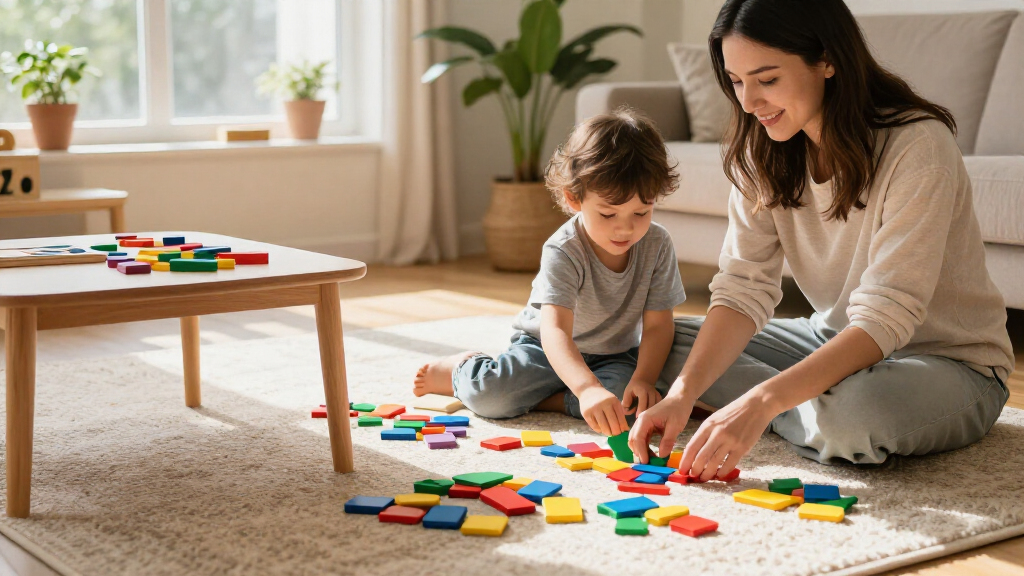
I ranked these games by how clearly their central activity develops or uses color recognition, how easy it is to understand the rules, and how well the format suits its likely audience. I also weighed interaction style, replay potential, component-based play, and whether a game offers something distinct beyond pairing colors. Those factors matter because a fast stacking challenge, a preschool matching game, and a social guessing game serve different needs.
The ranking favors options with a clear identity and a strong fit between their activity and intended players. SmartGames Color Code leads for its structured visual reasoning; Hues and Cues follows for its distinctive group discussion; and straightforward matching games rank well when accessibility for young children is the priority. Similar two-pack stacking titles are placed by the details available in their names and formats, not treated as interchangeable. Where a listing gives limited detail, I avoid assuming extra features and recommend checking the age guidance and included components before choosing.
| color matching game | Material |
|---|---|
| Color Stack Challenge Color Ma | — |
| Color Challenge Game | — |
| Trend Colors and Shapes Match | Paper |
| SmartGames Color Code Transpar | Plastic |
| Hues and Cues Color Guessing B | — |
| FLLOBE Color Challenge Game | — |
| MasterPieces Colors & Shapes M | Cardboard |
| The Very Hungry Caterpillar Ra | Cardboard |
| Minoskia Color Matching Challe | Plastic |
| Educational Insights Pete the | Cardboard |
| Color Matching Challenge Stack | Plastic |
| Learning Resources Color Cubed | Plastic |
| Vodolo Bottle Color Matching G | ABS plastic |
| 2-Pack Color Matching Challeng | Plastic |
| Vodolo Bottle Color Match Game | Acrylonitrile Butadiene Styrene (ABS) plastic |
Factors to Consider When Choosing Best Color Matching Games
Color matching games can look alike while asking for very different kinds of attention. Before choosing, decide whether the goal is early learning, a quick competitive round, quiet solo problem-solving, or a group activity built around discussion. These factors help prevent a common mismatch: buying a game that teaches the right skill but uses a play style the intended players will not enjoy.
Match the challenge to the skill you want to build
Some games ask children to spot identical colors, while others combine color with shape, sequence, spatial reasoning, or verbal description. If a child is still learning basic color names, a rule-heavy puzzle can add frustration rather than useful challenge. For more experienced players, simple pair-and-match rounds may feel repetitive unless the game adds planning or interpretation. Choose the primary skill first, then check whether the game layers in other tasks that make play harder. A mixed color-and-shape activity can be a good fit for broader early learning, but it may be less focused if color recognition alone is the goal. Avoid choosing by the word “educational” on a listing without checking what players actually do each turn.
Choose for the group size and social style
A game designed for two players may not work as a shared family activity, even if extra pieces are included. Guessing games suit groups who enjoy talking through clues and accepting that players may interpret a shade differently. Stacking challenges tend to emphasize quick visual decisions and turn-taking, while logic puzzles can work well alone or with a partner. Think about how many people will usually play, not just the largest player count listed. If siblings have different ages, look for a format where younger players can participate without slowing the whole game. A mismatch in group size or pace can leave a well-made game sitting unused.
Consider speed, focus, and tolerance for competition
Fast rounds can keep energetic players engaged, but they can put pressure on children who need more time to identify colors or plan a move. A calm matching game or a solo tile puzzle gives players room to think without racing an opponent. Competition can make repetition exciting, yet it may also distract from learning if winning becomes the only focus. For mixed abilities, check whether players can take turns without relying on speed to decide the winner. If a child enjoys a challenge but dislikes time pressure, favor a game built around solving or matching rather than racing. The best pace is the one that keeps the intended players willing to try another round.
Check age fit and the role of themes
Character themes can help young children connect with a game, but a familiar character does not guarantee that the rules or components fit their abilities. Review the recommended age and look for signs of what a player must manage: small pieces, multi-step instructions, or abstract clues. A simple theme-led matching game may be easier to introduce than a puzzle with several possible moves. Older children may prefer less dependence on familiar characters and more room for strategy or interpretation. When buying for siblings, ask whether the theme appeals to everyone who will play. A game that feels approachable to one child can feel too basic or too complicated to another.
Compare similar sets by what is actually included
Product names in this roundup include several closely worded two-pack color challenge and stacking games, so a shared title is not enough to identify the better fit. Check the number and type of pieces, player range, and whether the listing describes one shared game or two separate sets. A larger-looking bundle is not automatically more replayable if both sets support the same short activity. Also check how pieces are stored and whether the format seems practical for the places the game will be used. For bottle-color sets, pay attention to the listed piece count and intended play style rather than assuming they work like board games. When details are sparse, compare the product page’s component list before treating two similarly named options as equivalent.
Decide when a more involved game is worth it
A more layered game can offer longer-lasting challenge, but only if players enjoy rules that take more explanation. A transparent-tile logic puzzle makes sense for someone who likes solving visual arrangements; it is less suitable if the aim is a quick, noisy group round. A conversation-led guessing game earns its place when the group enjoys interpreting clues, while a basic matching set can be the better choice for short play with younger children. Consider how often the game will be played and whether the intended players will grow into its extra complexity. More pieces or more rules do not automatically mean better value for a household. Pay for added challenge only when it matches the way your group likes to play.
Frequently Asked Questions
Which type of color matching game is best for a child just learning colors?
Start with a game whose main task is recognizing or pairing colors, rather than one that also demands strategy or verbal clues. A straightforward matching format can help a child focus on naming and spotting colors without juggling several rules. If the child is also learning shapes, a combined color-and-shape game may add useful practice, though it asks them to sort by more than one feature. Check the age guidance and the number of steps in a turn before buying. A game that is easy to explain is often a better first choice than one with more components but a steeper learning curve.
Are stacking color games a better choice than a matching board game?
Neither format is automatically better; they reward different play habits. Stacking challenges often suit players who like tactile pieces, quick decisions, and head-to-head turns. Board-style matching can be easier to introduce when the goal is steady practice and players need more time. A stacking game may feel repetitive if its main appeal is speed, while a board game may feel slow to someone seeking a lively contest. Choose based on the pace and physical interaction the intended players enjoy, not just the category name.
Can a color guessing game work for players who see shades differently?
A clue-based game such as Hues and Cues can make differences in color interpretation part of the conversation, rather than requiring every player to name an exact shade. That can be engaging for groups who enjoy explaining how they read a clue. Still, a game centered on subtle shades may be less comfortable for someone who finds those distinctions difficult. If accessibility is a concern, look for activities that pair colors with shapes, positions, or other visual cues. It can also help to agree that clue descriptions are open to interpretation rather than treating one person’s perception as the only correct answer.
How can I choose between the similarly named two-pack color challenge games?
Compare each listing’s component details and player guidance instead of relying on the shared “color challenge” wording. Confirm how many pieces are included, what players do with them, and whether the set is intended for two players or a larger group. Some listings may describe similar stacking activities while differing in their contents or packaging. If the product page does not spell out a detail, avoid assuming it matches another set with a near-identical name. Selecting by the stated activity and player range is more reliable than choosing by title alone.
Should I choose a solo logic puzzle or a group color game for a mixed-age family?
Think about whether family members are likely to play together or take turns using the game independently. A solo puzzle can offer a quiet challenge without requiring everyone to share the same pace, but it does not create much group interaction. A guessing or matching game can bring people together, though age differences may affect how quickly players understand clues or rules. For a family that wants both, consider which use matters more and make that the deciding factor. Do not assume a game labeled for children will keep older players engaged; look for a meaningful challenge or a social element that appeals across ages.
Conclusion
For the strongest blend of color play and structured challenge, I recommend SmartGames Color Code as the best overall. Choose Hues and Cues as the best group pick if conversation and interpreting clues matter more than having a single matching solution. For beginners and younger children, look first at MasterPieces Colors & Shapes or the theme-led Very Hungry Caterpillar and Pete the Cat games, matching the choice to the child’s interests and readiness. The best value candidates are the two-pack challenge listings, but compare their stated pieces and player range carefully before deciding. For a specific hands-on sorting need, consider the Vodolo bottle-color sets; for quieter individual problem-solving, Color Code is the more fitting premium-style choice. Pick the game whose pace, player count, and type of color challenge match how your household will actually play.