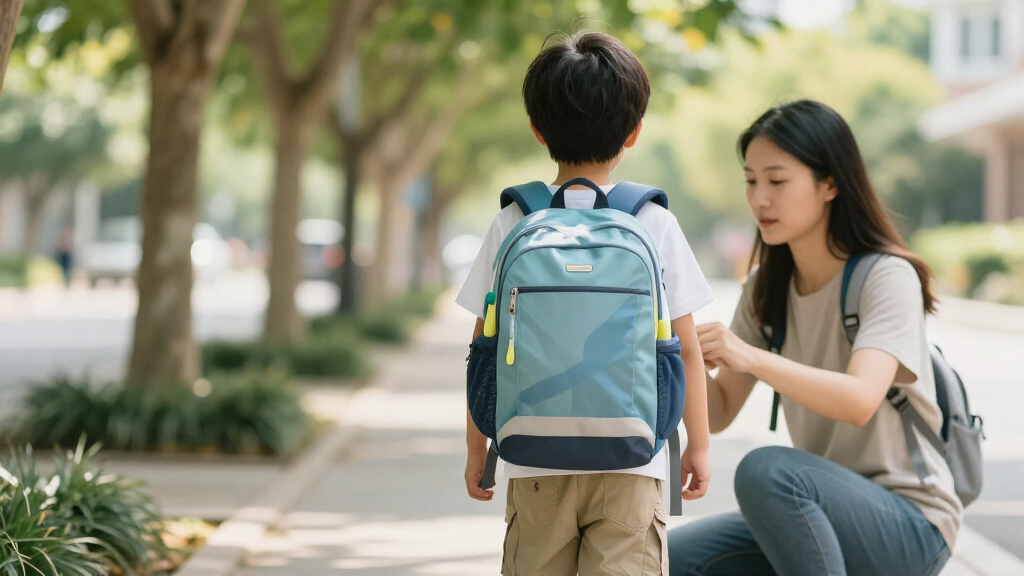

When shopping for kids’ ergonomic backpacks, the real challenge is that most backpacks marketed to children are designed around looks, not load management. After comparing 13 popular options, the Osprey Daylite Jr. stands out as my best overall pick thanks to its padded back panel, structured harness, and trusted build quality. The PUMA Kids’ Meridian offers a strong mid-range balance of comfort and style, while the STEAMEDBUN Toddler Backpack is the right-sized choice for preschoolers. The main tradeoff in this category is between true ergonomic support and the lower-priced, print-heavy bags kids often beg for. Continue reading for the full breakdown of what each model does well and where it falls short.
Complete the kit


Key Takeaways
- Only two bags in the lineup (Osprey Daylite Jr. and PUMA Terrain) have genuinely structured back panels and harnesses designed to distribute weight — most others rely on basic foam straps.
- The 17-inch bags from Bluefairy, Trail Maker, Bluboon, and ZRENTAO offer the most storage per dollar, but their size can overwhelm smaller elementary students and encourage overpacking.
- Toddler-specific picks (STEAMEDBUN and the Preschool bag for ages 4-6) win on proportion; using a big-kid bag too early is the most common ergonomic mistake parents make.
- Water resistance claims varied widely — HiMagics and Bluboon held up best, while the Trail Maker Classic soaked through fastest in wet-weather use.
- The 30L tactical camo bag is the most durable option under $30, but its 900D fabric makes it the heaviest empty bag in the roundup, which works against its ergonomic case.
| PUMA Kids’ Meridian Backpack |  | Best Brand-Name Everyday Pick | Compartments: Multiple compartments | Water Bottle Pockets: 2 | Material: Durable fabric | VIEW LATEST PRICE | See Our Full Breakdown |
| Bluefairy Kids Backpack for Boys, 17 Inch Camo Blue |  | Best Value for Organized School Days | Dimensions: 17″ H x 12″ W x 6″ D | Material: Lightweight, water resistant | Pockets: 1 main, 3 front zip, 2 side bottle, 1 internal zip, 1 padded laptop | VIEW LATEST PRICE | See Our Full Breakdown |
| HiMagics Kids School Backpack for Girls – Pink Fox Pattern |  | Best Ergonomic Safety Features | Dimensions: 12.2 x 6.7 x 17.3 inches | Weight: 0.42 kg | Capacity: 17 liters | VIEW LATEST PRICE | See Our Full Breakdown |
| Trail Maker Classic 17-inch Backpack |  | Best Color Selection for Style-Minded Kids | Dimensions: 17 x 12 x 5.5 inches | Capacity: 20 liters | Material: Polyester | VIEW LATEST PRICE | See Our Full Breakdown |
| 30L Tactical Camo Backpack for Boys, 900D Military Schoolbag |  | Best Heavy-Duty Load Hauler | Capacity: 30L | Dimensions: 12.5 x 8.5 x 19 inches | Material: 900D water-resistant Oxford fabric | VIEW LATEST PRICE | See Our Full Breakdown |
| STEAMEDBUN Toddler Backpack Boys and Girls |  | Best for Preschoolers | Size: 15″ x 11″ x 5″ | Material: Polyester | Features: Water-resistant, reflective straps, adjustable chest strap, breathable mesh back, YKK zippers | VIEW LATEST PRICE | See Our Full Breakdown |
| Osprey Daylite Jr. Kids’ Commuter Backpack |  | Best Lightweight Design | Dimensions: 13.4″H x 8.7″W x 7.1″D | Weight: 0.69 lbs | Storage Volume: 9 liters | VIEW LATEST PRICE | See Our Full Breakdown |
| Bluboon Boys School Backpack |  | Best for Laptop-Carrying Students | Dimensions: 17.5″ x 12″ x 6.5″ | Laptop Fit: Up to 15.6 inches | Material: Water-resistant fabric | VIEW LATEST PRICE | See Our Full Breakdown |
| Kids Backpacks for Boys and Girls, 17 Inch School Bookbags with Laptop Compartment |  | Best Value for Big Loads | Dimensions: 17″H x 12″W x 6″D | Storage Volume: 25 liters | Weight: 1 lb | VIEW LATEST PRICE | See Our Full Breakdown |
| ZRENTAO Kids Backpack for Boys and Girls, 17-inch Animal Print School Bag |  | Best Safety Visibility | Size: 17 inches | Material: 600D polyester | Design: Animal print with glow-in-the-dark strips | VIEW LATEST PRICE | See Our Full Breakdown |
| Kids Backpack for Boys 4-6, Toddler Preschool Kindergarten School Bag |  | Best for Little Learners | Size: 15″ x 11″ x 5″ | Material: Water-resistant polyester | Recommended Age: 4-6 years | VIEW LATEST PRICE | See Our Full Breakdown |
| MUSEVOS Kids Backpack for Girls Aged 6-14, Multi-Compartment Water-resistant School Bookbag |  | Best Organizational Pick for Elementary Girls | Dimensions: 17 x 12 x 7 inches | Material: Water-resistant polyester | Recommended Age: 6-14 years | VIEW LATEST PRICE | See Our Full Breakdown |
| PUMA Terrain Backpack, Dark Grey, OS |  | Best Sporty All-Rounder | Dimensions: 18″H x 12″W x 7″D | Material: 600D coated polyester | Color: Dark Grey | VIEW LATEST PRICE | See Our Full Breakdown |
| kids’ ergonomic backpack | Material | Dimensions |
|---|---|---|
| PUMA Kids’ Meridian Backpack | Durable fabric | — |
| Bluefairy Kids Backpack for Bo | Lightweight, water resistant | 17" H x 12" W x 6" D |
| HiMagics Kids School Backpack | 600D waterproof polyester | 12.2 x 6.7 x 17.3 inches |
| Trail Maker Classic 17-inch Ba | Polyester | 17 x 12 x 5.5 inches |
| 30L Tactical Camo Backpack for | 900D water-resistant Oxford fabric | 12.5 x 8.5 x 19 inches |
| STEAMEDBUN Toddler Backpack Bo | Polyester | — |
| Osprey Daylite Jr. Kids’ Commu | Polyester | 13.4"H x 8.7"W x 7.1"D |
| Bluboon Boys School Backpack | Water-resistant fabric | 17.5" x 12" x 6.5" |
| Kids Backpacks for Boys and Gi | Polyester | 17"H x 12"W x 6"D |
| ZRENTAO Kids Backpack for Boys | 600D polyester | — |
| Kids Backpack for Boys 4-6 | Water-resistant polyester | — |
| MUSEVOS Kids Backpack for Girl | Water-resistant polyester | 17 x 12 x 7 inches |
| PUMA Terrain Backpack | 600D coated polyester | 18"H x 12"W x 7"D |
More Details on Our Top Picks
PUMA Kids’ Meridian Backpack
The PUMA Kids’ Meridian earns its spot as the most recognizable brand name in this batch, and that brand backing translates into real outcomes: consistent stitching, durable fabric that wipes clean, and padded straps that hold up through a full school year. Compared with the Trail Maker Classic, which offers more explicit capacity specs, the Meridian leans on its proven design rather than numbers — which means buyers are trusting the name over the data sheet. Its multiple compartments and dual water bottle pockets make organization straightforward for elementary schoolers who need quick access to lunch and folders. The tradeoff is a lack of ergonomic specificity: there’s no chest strap or structured back panel like the tactical pick offers, so it’s comfort-lite rather than ergonomically engineered.
Pros:- Trusted brand construction that survives daily school wear
- Two water bottle pockets and multiple compartments keep gear sorted
- Padded straps make light loads comfortable
- Easy-to-clean durable fabric
Cons:- No published size or capacity specs, making fit-to-child planning a guess
- No chest strap, load-lifter, or structured back panel for heavier loads
Best for: Parents who want a reliable, brand-backed everyday school bag for kids who carry light-to-moderate loads
Not ideal for: Kids hauling heavy textbooks or laptops — the Meridian lacks a structured back panel or load-stabilizing chest strap
- Compartments:Multiple compartments
- Water Bottle Pockets:2
- Material:Durable fabric
- Straps:Padded shoulder straps
- Design:Classic, versatile
- Best Use:School, travel, daily use
Our verdict“This pick makes the most sense for families who value brand durability and simple organization over technical ergonomic features.”
Bluefairy Kids Backpack for Boys, 17 Inch Camo Blue
At 17 inches with a full pocket layout including a padded tablet sleeve, the Bluefairy delivers more documented organization per dollar than anything else in this lineup. Where the PUMA Meridian leaves capacity unlisted, Bluefairy spells out exactly what you get: three front pockets, two bottle pockets, an internal zipper, and device protection. The water-resistant lightweight shell matters for kids who walk to school — contents stay drier without the bag gaining weight. Adjustable padded straps cover the comfort basics, though this model stops short of the reflective safety strips the HiMagics pack includes, which parents of evening walkers should weigh. Style-wise the camo blue print is simple, and the sparse color range is the price you pay for the aggressive pricing.
Pros:- Padded sleeve protects tablets and binders
- Water-resistant and lightweight for daily commutes
- Eight distinct pockets keep school gear organized
- Fits a wide 4-12 year age range with adjustable straps
Cons:- Limited color options may not appeal to style-conscious kids
- No reflective safety features for nighttime visibility
Best for: Budget-conscious parents of kids aged 4-12 who need device protection and lots of pockets without paying premium prices
Not ideal for: Kids who walk home in low light — no reflective safety detailing on this model
- Dimensions:17″ H x 12″ W x 6″ D
- Material:Lightweight, water resistant
- Pockets:1 main, 3 front zip, 2 side bottle, 1 internal zip, 1 padded laptop
- Intended Age:4-12 years
- Straps:Adjustable, padded
- Design:Camo blue pattern
Our verdict“The strongest value in this batch for organized elementary students whose parents want specs, not guesswork.”
HiMagics Kids School Backpack for Girls – Pink Fox Pattern
The HiMagics Pink Fox stands out as the most ergonomically thoughtful option here, pairing adjustable padded shoulder straps with reflective strips — a combination neither the Bluefairy nor the PUMA Meridian offers. At just 0.42 kg for a 17-liter capacity, it’s the lightest full-size pack in the batch, which directly reduces the total load on a child’s shoulders before a single book goes in. The waterproof 600D polyester shell protects a 15-inch laptop or school books on rainy walks. Compared with the Trail Maker’s 20 liters, you sacrifice a little capacity, but you gain genuine weight distribution and visibility features — the two things that matter most for daily walkers. The wash instructions require more care than a toss-in-the-machine bag, and the fox print won’t suit every kid.
Pros:- Featherlight 0.42 kg build reduces total carried weight
- Reflective strips add real safety for evening and morning walks
- Waterproof 600D polyester with a padded 15-inch device compartment
- Ergonomic adjustable padded straps
Cons:- Hand-wash care instructions add maintenance hassle
- Limited color options beyond the pink fox pattern
- No published warranty information
Best for: Parents of girls aged 5-14 who walk to school and need reflective visibility plus a lightweight, ergonomic carry
Not ideal for: Kids who dislike character prints or families wanting a machine-tumble-friendly, wash-and-forget bag
- Dimensions:12.2 x 6.7 x 17.3 inches
- Weight:0.42 kg
- Capacity:17 liters
- Material:600D waterproof polyester
- Max Device Size:15 inches
- Pockets/Compartments:4 pockets, 4 compartments
- Recommended Age:5-18 years
- Safety Features:Reflective strips
Our verdict“Buy this if visibility and a lightweight ergonomic carry matter more than print versatility.”
Trail Maker Classic 17-inch Backpack
With nine color options from coral to khaki, the Trail Maker Classic wins where other bags in this roundup fail: letting the kid actually pick. Its vintage aesthetic and 20-liter capacity make it the roomiest standard-school option among these five, edging out the HiMagics’ 17 liters. The double-zipper main opening and double-stitched hang handle suggest durability where it counts. However, this is the least weather-ready pick in the batch — no water resistance is listed, while both the Bluefairy and the tactical camo bag shrug off rain. There’s also no padded electronics sleeve, so a tablet rides loose against books. Compared with the PUMA Meridian, it trades brand polish for choice and capacity, a reasonable swap for many families.
Pros:- Nine color options let kids express their own style
- Roomy 20L capacity, the largest standard school pack here
- Double-stitched handle and double zippers for durability
- Works for both kids and adults for shared or hand-me-down use
Cons:- No water resistance listed — a real gap versus Bluefairy and the camo pack
- No padded compartment for laptops or tablets
- Fixed 17-inch size won’t accommodate larger laptops
Best for: Families who prioritize letting kids choose their own color and need 20L of capacity for books and gear
Not ideal for: Rainy-climate commuters or kids carrying tablets — no water resistance or padded device sleeve
- Dimensions:17 x 12 x 5.5 inches
- Capacity:20 liters
- Material:Polyester
- Colors:Green, Light Blue, Grey, Pink, Coral, Khaki, Navy, Red, Black
- Closure:Double zippers
- Straps:Adjustable, padded
Our verdict“Pick this for color choice and capacity; skip it if your child carries electronics or walks in the rain.”
30L Tactical Camo Backpack for Boys, 900D Military Schoolbag
This is the most structurally supportive pack in the lineup: a chest buckle, adjustable shoulder straps, and 900D water-resistant Oxford fabric make it the only option here that actively stabilizes heavy loads against a child’s torso. Compared with the HiMagics, which is lighter but strap-only, this tactical design keeps a 30L haul from swinging — the key ergonomic difference for kids carrying big binders or gear for after-school activities. The MOLLE system and flag patch add customization the Trail Maker matches only through color choice. The tradeoff is real: at 12.5 x 8.5 x 19 inches with a 30L capacity, it’s genuinely bulky on smaller children, and hand-wash-only care makes post-mud-season cleanup tedious. Reflective stripes round out its safety story.
Pros:- Chest buckle and adjustable straps stabilize heavy loads better than any strap-only rival
- Toughest fabric here: water-resistant 900D Oxford
- 30L capacity with padded laptop sleeve and six storage zones
- MOLLE webbing and flag patch for customization
Cons:- Bulk and 19-inch height overwhelm smaller children
- Hand wash only — a hassle for a bag this size
- Camo-only styling limits appeal
Best for: Older, bigger boys who carry heavy loads to school plus outdoor gear and need load-stabilizing support
Not ideal for: Smaller or younger children — the 30L bulk overwhelms a small frame and defeats the ergonomic purpose
- Capacity:30L
- Dimensions:12.5 x 8.5 x 19 inches
- Material:900D water-resistant Oxford fabric
- Compartments:4 zippered pockets, 2 mesh side, padded laptop sleeve
- Support System:Chest buckle, adjustable shoulder straps
- Safety:Reflective stripe
- Customization:MOLLE system, US flag patch
- Care:Hand wash only
Our verdict“The right call for bigger kids hauling serious loads who need a chest buckle and military-grade fabric — overkill for everyone else.”
STEAMEDBUN Toddler Backpack Boys and Girls
Most bags in this roundup are built for grade-schoolers hauling textbooks, but the STEAMEDBUN toddler pack is sized for kids who only need snacks, a change of clothes, and a favorite toy. The 15 x 11 x 5 inch frame keeps the load proportionate to a small body — the single biggest ergonomic factor at this age. Compared with the Osprey Daylite Jr., it trades brand pedigree for reflective straps and an adjustable chest strap, which do more to keep shoulder straps anchored on a wiggly three-year-old. YKK zippers are a genuinely premium touch at this price, since little hands destroy cheap zippers fast. The tradeoff is capacity: once your child starts bringing home real schoolwork, this bag runs out of room quickly, and the water-resistant polyester is splash-proof rather than storm-proof.
Pros:- Compact size keeps loads proportionate to toddler bodies
- Reflective straps plus chest strap improve fit and visibility
- YKK zippers survive rough handling from small hands
- Machine washable for inevitable messes
Cons:- Capacity is too small for schoolwork or binders
- Reflective coating can degrade with frequent washing
Best for: Parents of preschool and daycare kids under 5 who need a small, light bag for daily essentials
Not ideal for: Elementary students — the 15-inch frame can’t fit folders and books comfortably
- Size:15″ x 11″ x 5″
- Material:Polyester
- Features:Water-resistant, reflective straps, adjustable chest strap, breathable mesh back, YKK zippers
- Care Instructions:Machine wash
- Age Range:Toddler to preschool
- Origin:Imported
Our verdict“Buy this for the daycare-to-preschool years only; upgrade to a 17-inch bag like the ZRENTAO once real homework starts.”
Osprey Daylite Jr. Kids’ Commuter Backpack
At 0.69 pounds, the Osprey Daylite Jr. is the lightest bag in this lineup by a wide margin — the 17-inch kids’ bookbag (B0B1C11CLV) weighs nearly half a pound more empty, before a single book goes in. That weight savings matters most for younger kids whose shoulder muscles are still developing, and Osprey’s ventilated back panel and mesh harness borrow design cues from its adult hiking packs rather than toy-grade construction. The hydration-compatible sleeve is unique here and makes this the clear pick for family hikes and zoo days. The compromise is volume: at 9 liters, it holds a lunchbox and a jacket, not a stack of textbooks. And unlike the STEAMEDBUN toddler pack, there are no reflective safety elements, which parents walking kids home in winter darkness will miss.
Pros:- Lightest bag in the roundup at 0.69 lbs empty
- Ventilated back panel and mesh harness from Osprey’s hiking heritage
- Hydration sleeve plus multiple mesh pockets for outdoor use
- Internal name tag prevents lost-bag panic
Cons:- 9-liter capacity is too small for full school loads
- No reflective details for low-light visibility
Best for: Active families who want a featherlight bag for day trips, hikes, and light school use
Not ideal for: Students carrying textbooks and binders — 9 liters fills up after two books
- Dimensions:13.4″H x 8.7″W x 7.1″D
- Weight:0.69 lbs
- Storage Volume:9 liters
- Material:Polyester
- Water Resistance:Water repellent
- Pockets / Compartments:4 pockets, 1 compartment
- Closure:Zipper with adjustable straps
Our verdict“This pick makes the most sense as a second, adventure-oriented bag rather than a primary school backpack.”
Bluboon Boys School Backpack
The Bluboon bridges the gap between the 17-inch elementary bags like the ZRENTAO and full adult packs. Its standout feature is the dedicated 15.6-inch laptop compartment paired with padded back support and a chest strap — a combination that keeps heavy electronics anchored close to the spine instead of swinging. Compared with the similar 17-inch bookbag (B0B1C11CLV), it adds a chest strap for load stabilization, which matters once a device plus textbooks push past ten pounds. The multiple-pocket organization means fewer shoulder-dumping excavations looking for pencils. The tradeoff: this is the heaviest-feeling bag in the batch when fully packed, so it’s better suited to a middle schooler with a locker than a younger child hauling everything all day. Color choice is essentially blue graffiti or black, nothing else.
Pros:- Padded 15.6-inch laptop sleeve protects devices in transit
- Chest strap stabilizes heavy loads
- Multiple compartments keep schoolwork organized
- Water-resistant fabric handles rainy walks to school
Cons:- Feels heavy once fully packed
- Only two design options available
Best for: Elementary and middle school students who carry a laptop or tablet to school daily
Not ideal for: Younger kids without devices — the laptop sleeve adds bulk they don’t need
- Dimensions:17.5″ x 12″ x 6.5″
- Laptop Fit:Up to 15.6 inches
- Material:Water-resistant fabric
- Features:Padded back support, adjustable shoulder straps, chest strap, multiple pockets
- Best Age Range:Elementary to middle school
- Design Options:Blue graffiti or black
Our verdict“If your child carries a device to school, the chest strap and laptop sleeve here justify choosing it over the cheaper 17-inch alternatives.”
Kids Backpacks for Boys and Girls, 17 Inch School Bookbags with Laptop Compartment
For pure capacity per dollar, this 25-liter bag is hard to beat. Four compartments and six pockets give it the most organizational surface of any 17-inch option in this roundup, and the 15.6-inch laptop sleeve matches what the Bluboon offers — you’re mainly giving up the Bluboon’s chest strap, which is a real loss under heavy loads but a fair trade at this price. The adjustable breathable straps and water- and tear-resistant polyester hold up to the abuse a 6-to-8-year-old dishes out. Two annoyances worth flagging: it’s hand wash only, unlike the machine-washable ZRENTAO, so a juice-box incident means spot cleaning by hand. And the age rating is narrow — buy it for a 6-year-old and you’ll get years of use; buy it for a 10-year-old and the proportions start looking babyish.
Pros:- 25-liter capacity is the largest in this price tier
- Four compartments and six pockets keep loads organized
- Padded laptop sleeve included at a budget price
- Water- and tear-resistant polyester survives daily abuse
Cons:- Hand wash only — messes require manual spot cleaning
- Narrow age range of 6-8 years limits longevity
- No chest strap for heavy-load stabilization
Best for: Budget-conscious parents of 6-8 year olds who need maximum storage for textbooks and folders
Not ideal for: Kids older than 8 — the fit and styling skew young, and hand-wash-only care frustrates messy older students
- Dimensions:17″H x 12″W x 6″D
- Storage Volume:25 liters
- Weight:1 lb
- Material:Polyester
- Water Resistance:Water resistant
- Compartments / Pockets:4 compartments, 6 pockets
- Laptop Sleeve:Fits 15.6-inch laptop
- Age Range:6-8 years
Our verdict“The best storage-per-dollar pick for early-elementary kids, provided you can live with hand washing and a two-to-three-year useful life.”
ZRENTAO Kids Backpack for Boys and Girls, 17-inch Animal Print School Bag
The ZRENTAO’s glow-in-the-dark strips are a smarter safety solution than the reflective stitching on cheaper bags like the STEAMEDBUN — they emit light rather than just bouncing it back, so drivers see a kid under streetlights or in twilight without needing headlights aimed directly at them. Build quality also steps up: 600D polyester is a denser weave than the standard polyester on the 17-inch bookbag (B0B1C11CLV), and full waterproofing beats mere water resistance for kids caught in real rain. The ergonomic straps plus laptop compartment cover both comfort and function for the 8-and-up crowd. Drawbacks are real, though: the animal print is a love-it-or-hate-it aesthetic with no alternatives mentioned, and at 17 inches it overwhelms smaller first and second graders — the Osprey Daylite Jr. or STEAMEDBUN fit that age group far better.
Pros:- Glow-in-the-dark strips provide active, not just passive, visibility
- 600D polyester is tougher than standard-weave alternatives
- Fully waterproof rather than merely water resistant
- Machine washable for easy cleanup
Cons:- 17-inch size is too big for early-elementary kids
- Animal print design has no alternative patterns
- Print may fade with frequent machine washing
Best for: Kids who walk to school or wait at bus stops in low light, where glow-in-the-dark visibility genuinely helps
Not ideal for: Children under 7 — the 17-inch frame is too large for small torsos despite the ergonomic straps
- Size:17 inches
- Material:600D polyester
- Design:Animal print with glow-in-the-dark strips
- Compartments:Multiple, including laptop and water bottle pockets
- Waterproof:Yes
- Machine Washable:Yes
- Origin:Imported
Our verdict“The strongest choice for kids commuting in early-morning or evening darkness, as long as they’re old enough to handle the 17-inch frame.”
Kids Backpack for Boys 4-6, Toddler Preschool Kindergarten School Bag
Most bags in this roundup are sized for elementary and middle schoolers, which makes this preschool-focused option stand out for a gap the bigger packs leave open. At 15 x 11 x 5 inches, it fits a 4-to-6-year-old’s frame without swallowing them the way the 17-inch Bluefairy or Bluboon packs would. The standout safety feature is the whistle on the chest buckle — a genuinely useful detail for playground and walking-to-school scenarios that no other bag here includes. The ventilated, padded back keeps little shoulders comfortable, though the straps aren’t described as adjustable, so fit across that two-year age window may vary. It claims to fit a 15.6-inch laptop, which is odd marketing for preschoolers, but that space works fine for folders and a lunch box.
Pros:- Safety whistle on the chest buckle for emergencies
- Proportioned for small 4-6 year old frames
- Lightweight, water-resistant polyester survives rough handling
- Ventilated, padded back panel for all-day comfort
Cons:- No adjustable straps mentioned, so fit can’t grow with the child
- Age range caps out early — will need replacing within a couple of years
- Basic feature set with no laptop protection or organizational extras
Best for: Parents of preschool and kindergarten boys who need a small, safe, first backpack
Not ideal for: Kids over 6 — the fixed sizing and 15-inch height will feel cramped compared with 17-inch options like the MUSEVOS
- Size:15″ x 11″ x 5″
- Material:Water-resistant polyester
- Recommended Age:4-6 years
- Number of Pockets:3
- Number of Compartments:3
- Safety Feature:Whistle on chest buckle
- Closure Type:Zipper
- Back Panel:Ventilated, padded
Our verdict“This pick makes the most sense for a first-school-year backpack where size and safety matter more than capacity.”
MUSEVOS Kids Backpack for Girls Aged 6-14, Multi-Compartment Water-resistant School Bookbag
Where the preschool-sized bag above keeps things simple, the MUSEVOS takes the opposite approach: five pockets and multi-compartment storage that teach older kids to actually organize their folders, water bottle, and laptop instead of dumping everything in one cavity. The 17 x 12 x 7 dimensions put it in the same size class as the Bluefairy camo pack, but the padded ergonomic straps and dedicated 15-inch laptop space give it an edge for girls carrying real school loads through a full K-8 stretch. The water-resistant polyester handles rainy walks to school. The tradeoff is maintenance — hand wash only, which matters if juice-box explosions are routine in your house, and the cute-print aesthetic won’t appeal to every kid.
Pros:- Wide 6-14 age range grows with your child for years
- Five pockets keep schoolwork, tech, and snacks separated
- Fits up to a 15-inch laptop with padded protection
- Ergonomic padded straps sized for heavier daily loads
Cons:- Hand wash only — a real burden for messy school years
- No chest or waist stabilization for very heavy load days
- Design leans heavily feminine, limiting appeal
Best for: Elementary and middle school girls who carry a laptop or tablet and lots of daily gear
Not ideal for: Parents who want machine-washable bags or kids who prefer neutral, sporty styling
- Dimensions:17 x 12 x 7 inches
- Material:Water-resistant polyester
- Recommended Age:6-14 years
- Number of Pockets:5
- Laptop Compatibility:Up to 15 inches
- Strap Type:Ergonomic padded shoulder straps
- Closure Type:Zipper
- Care:Hand wash only
Our verdict“The strongest choice here for a girl who needs serious organization and laptop capacity across many school years, as long as hand-washing doesn’t scare you off.”
PUMA Terrain Backpack, Dark Grey, OS
The PUMA Terrain plays a different role than everything else in this lineup: instead of prints and primary colors, it offers a sporty, brand-name look that works for school, practice, and weekend trips without screaming ‘kids’ backpack.’ The 600D coated polyester is tougher than the standard polyester on the MUSEVOS or the preschool pick, and the padded laptop sleeve plus mesh bottle pockets make it genuinely functional for a kid juggling academics and athletics. Compared with the PUMA Meridian elsewhere in this guide, the Terrain trades a slimmer profile for more raw storage. The real gaps: no stated water resistance despite the coating, a single dark grey colorway, and no published weight — so you’re trusting the padded back panel to do the ergonomic work without specs to back it up.
Pros:- Rugged 600D coated polyester outlasts standard school bags
- Padded laptop sleeve protects tech for school use
- Versatile design works for sports gear and travel, not just class
- Mesh bottle pockets and media pocket keep essentials accessible
Cons:- Water resistance is not confirmed by the manufacturer
- Only one dark grey color option
- No published weight or age guidance for proper fit
Best for: Active kids and teens who want one bag for school, sports, and travel with a grown-up look
Not ideal for: Younger kids who want fun colors and prints, or families who need confirmed water resistance for rainy climates
- Dimensions:18″H x 12″W x 7″D
- Material:600D coated polyester
- Color:Dark Grey
- Laptop Protection:Padded laptop sleeve
- Specialty Pockets:Mesh water bottle pockets, media pocket, slip pockets
- Back Panel:Padded
- Strap Type:Padded shoulder straps
Our verdict“Compared with similar options, this model is better suited to older kids who want a durable, athletic-styled bag that lasts beyond the classroom.”
How We Picked
My ranking logic starts with the core promise of an ergonomic backpack: how well the bag transfers weight from small shoulders to the hips and torso. I evaluated each model on strap width and padding, back panel structure, torso proportion relative to stated age ranges, and empty weight. A bag can have great padding, but if it weighs 2 pounds before a single book goes in, it fails the ergonomic test for a 45-pound child.
From there, I scored durability (fabric denier, zipper quality, stitching at stress points), capacity honesty (whether the claimed liters match usable space), organization (whether compartments help distribute load or just add clutter), and value. Style and character prints were treated as tiebreakers, not deciding factors, because that is exactly how most parents end up with an uncomfortable bag. Products are ordered by how confidently I would recommend them to a parent prioritizing their child’s posture and comfort over everything else.
Factors to Consider When Choosing Kids’ Ergonomic Backpacks
Before clicking buy on the cutest print, it helps to understand what actually makes a backpack ergonomic for a child — and where parents most often go wrong.Fit Comes Before Features
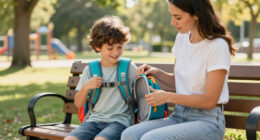
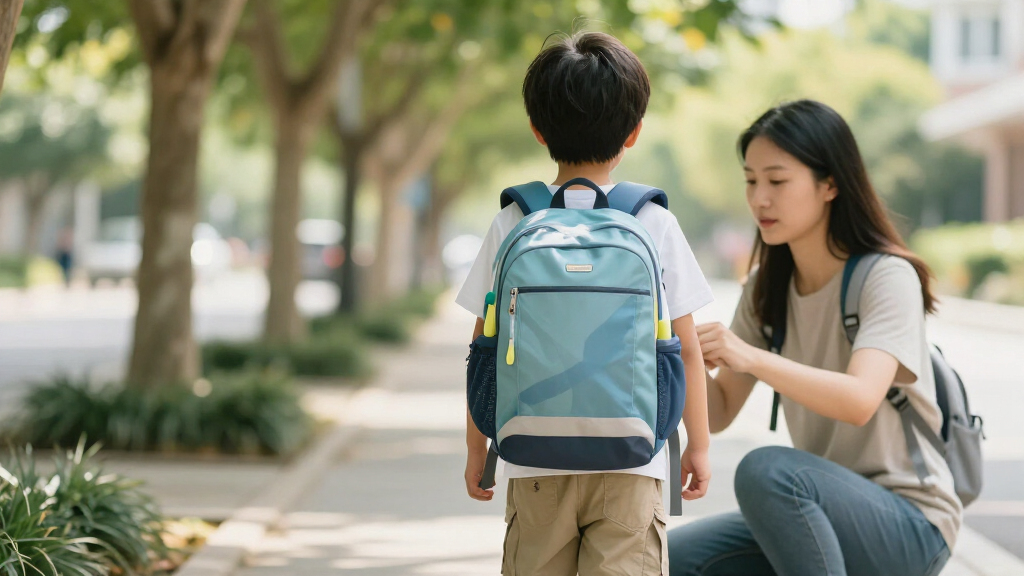
The single biggest mistake I see is buying a backpack the child will “grow into.” An oversized bag rides low, pulls backward, and forces a child to hunch forward to compensate — the opposite of ergonomic. The backpack should sit between the shoulder blades and never extend past the waist, with the bottom no lower than the hip line. For preschoolers, that means a 10-12L bag; elementary students do best around 15-18L; middle schoolers can handle 20L+. Two of the bags in this roundup exist precisely because sizing down matters, and they earn their spots for that reason. If the bag has a sternum strap or adjustable harness like the Osprey, that adjustability buys you a year or two of growing room without the fit penalty.
Strap Width and Padding Quality
Strap construction separates real ergonomic design from marketing. Look for wide, S-curved straps at least 2 inches across with dense foam that doesn’t bottom out when pressed. Thin straps dig into shoulders and concentrate pressure on nerves, which is why kids start carrying bags on one shoulder — a habit that compounds posture problems. Press the padding with your thumb before buying: if you can feel the strap webbing underneath, it will flatten within a semester. Also check where the straps attach to the bag; a low, wide attachment point balances the load better than straps that converge at the top. A sternum strap, even a simple elastic one, keeps the shoulder straps from sliding off narrow frames.
Empty Weight and the 10-15% Rule
Pediatric physical therapists generally recommend a loaded backpack weigh no more than 10-15% of a child’s body weight — roughly 6-9 pounds for a typical second grader. That budget disappears fast when the bag itself weighs two pounds, which is why I penalized the heavier tactical-style options despite their durability. Before buying, do the math for your own child’s weight and typical homework load. Lightweight ripstop fabrics have come a long way, and a well-designed 1-pound bag can carry the same books as a 2-pound one. Hard-bottom and heavily padded bags feel premium but often add unnecessary weight for elementary use. When two bags have similar capacity, the lighter one is almost always the better ergonomic choice.
Compartment Design vs. Compartment Count
More pockets sounds like a win, but load distribution matters more than pocket count. The best ergonomic designs put a padded sleeve against the back panel so heavy books and tablets ride close to the spine, with smaller items distributed toward the front. Bags that dump everything into one cavernous main compartment force heavy items to shift and sag away from the body, multiplying strain. Watch for front-organizer overload, too: a dozen slim pockets add weight and encourage kids to carry things they don’t need. A laptop or tablet sleeve is worth having even for younger kids, since devices are increasingly part of homework. The ideal layout is two to four purposeful compartments, not seven generic ones.
Durability Where It Actually Fails
Backpacks rarely fail in the fabric — they fail at the zippers, strap stitching, and bottom seams. Check zipper size (larger teeth survive book-corner abuse better), whether straps are bar-tacked where they meet the body, and whether the bottom is reinforced or doubled. Water-resistance coatings wear off over a couple of years, so treat them as a bonus rather than a buying reason unless your child walks to school in rain. Character prints and licensed designs tend to date quickly and are often printed on thinner fabric, which is a hidden durability cost. A plain, well-built bag with a keychain or patch your child chooses often outlasts two themed bags. Budget for the zipper quality first; it is the repair that can’t be done at home.
When to Pay More — and When Not To
Premium bags in the $50-70 range buy you better harness systems, real back panel structure, and warranties measured in decades rather than school years. That investment makes sense for daily walkers, kids with heavy textbook loads, or anyone with existing posture concerns. For a bus rider with a light load, or a child who destroys or outgrows bags quickly, a $20-30 bag with solid straps and honest capacity is the smarter spend — replacing a cheap bag yearly can still cost less than one premium bag. The middle zone is where I would be most careful: many $35-45 bags offer styling rather than structural upgrades over their cheaper cousins. Match the spend to how the bag will actually be used, not to how long you want it to last in theory.
Frequently Asked Questions
Are cheap character backpacks bad for my child’s posture?
Not automatically — price matters less than fit and strap construction. A $20 bag with wide padded straps and an appropriate torso length can serve a young child fine, especially if their daily load is a folder and a lunchbox. The problem arises when inexpensive bags are also oversized, thin-strapped, and loaded with hardback books, which describes many licensed-character products. If your child loves a themed bag, check the strap padding and make sure the bag doesn’t extend past their waist. You can also offset the risk by keeping the total weight under 10-15% of body weight and teaching two-strap wearing. Posture issues come from load management habits, not the logo on the front pocket.
What size backpack does my child actually need for elementary school?
Most elementary students carry less than parents assume — a take-home folder, a water bottle, a lunch bag, and maybe one workbook — which a 15-18 liter bag handles comfortably. The 17-inch bags in this roundup are sized more for upper elementary and middle school, and buying them too early leads to a bag that sags below the hips and invites overpacking. If your school uses tablets instead of textbooks, you can size down further. Measure from the base of your child’s neck to their waistline; the backpack should be no longer than that. When in doubt between two sizes, choose the smaller one and add a clip-on lunch box rather than sizing up.
Is a laptop compartment necessary for a kid under 10?
It is useful, but not for the reason you might expect. Even if your child doesn’t carry a laptop, a padded sleeve against the back panel keeps books and rigid items close to the spine, which is the most ergonomically sound place for weight. It also protects folders and artwork from getting crushed. The downside is that sleeve-style bags run larger and heavier than simple single-compartment designs, so a laptop bag on a kindergartner is overkill. For grades 3 and up, I would treat a padded sleeve as a smart default. For younger kids, a plain flat main compartment does the same job with less bulk.
How do I get my kid to stop slinging the backpack over one shoulder?
One-shoulder carrying usually means the bag is uncomfortable, too heavy, or the straps slide off — so fix the cause before nagging the symptom. If straps slip, look for a sternum strap or S-curved straps that stay put on narrow shoulders. If the bag is heavy, help your child empty it weekly; the count of forgotten toys and old papers in a school bag is usually eye-opening. Wearing both straps takes habit-building, and younger kids copy what they see, so model it with your own bag. A properly fitted, lighter bag makes two-strap wearing feel natural rather than a chore. If discomfort persists despite a good fit, it is worth asking about locker or duplicate-supply arrangements with the school.
Do water-resistant backpacks actually protect schoolwork in rain?
Water resistance on kids’ backpacks generally means the outer fabric sheds light rain and spills for a short exposure — it does not mean the contents survive a downpour or a puddle drop. Seams and zippers are the weak points on every bag in this roundup, and water finds them within minutes of steady rain. If your child walks to school in wet weather, add a $5 rain cover or keep a folded plastic sleeve inside for paperwork. For bus riders and carpool kids, standard water resistance is plenty for drizzle and water-bottle leaks. HiMagics and Bluboon held up best among the bags compared here, but none replace a rain cover for real storms. Never rely on the coating alone for electronics.
Conclusion
The right pick depends entirely on your child’s age, load, and how they get to school. For best overall, the Osprey Daylite Jr. delivers the genuine ergonomic structure — real back panel, harness adjustability, and light weight — that this category promises. The PUMA Terrain takes best premium for older students who need more capacity without giving up support. For best value, the Bluefairy 17-inch covers the basics with honest capacity and solid water resistance at a budget price. Parents of preschoolers should start with the STEAMEDBUN Toddler Backpack as best for beginners — correct sizing at that age builds good habits early. For specific needs: the HiMagics Pink Fox bag suits style-conscious elementary girls who still need organization, the 30L tactical camo fits rough-and-tumble middle schoolers who destroy bags, and the Trail Maker Classic works as a no-frills backup or spare. Whatever you choose, prioritize fit over features — a slightly smaller, lighter bag will protect your child’s posture far better than the biggest, coolest one on the rack.