
TL;DR

Turn the school run and nap time into listening time
- Thousands of audiobooks, podcasts and originals
- Listen on your phone, tablet or Echo — also offline
- Cancel anytime
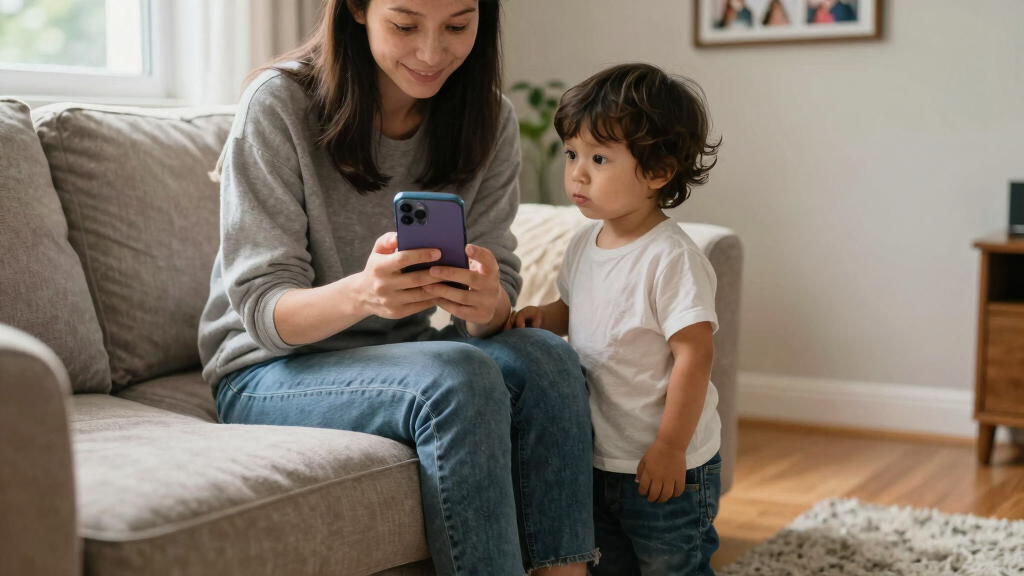
A recent study shows children are increasingly asking their parents if they love their phones more than them. The research highlights growing concerns about digital device use affecting parent-child relationships.
A recent study has found that children are asking their parents, “Mommy, do you love your phone more than me?”, reflecting concerns about the influence of digital device use on family relationships. This development underscores growing parental and societal awareness of the potential emotional impacts of excessive screen time on children.
The study, conducted by the Child Development Research Institute, surveyed over 2,000 families across the United States between 2022 and 2023. It found that approximately 35% of children aged 4 to 12 have directly asked their parents whether they prioritize their phones over family interactions. Researchers noted that these questions tend to increase during periods of heightened parental device use, such as during meals or shared activities.
Experts say these questions are not merely innocent curiosities but may signal underlying worries about parental attentiveness. Dr. Lisa Martinez, a child psychologist involved in the study, stated, “Children are highly perceptive of their parents’ behaviors, and when they notice frequent phone use, they may interpret it as a sign of lesser emotional availability.” The study also found correlations between high parental screen time and increased reports of children feeling neglected or less valued.
Parents interviewed for the study expressed concern but also acknowledged challenges in balancing digital device use with family engagement. The research emphasizes the importance of mindful device habits to foster healthier parent-child relationships.
Impact of Digital Devices on Parent-Child Bonds
This study highlights the emotional toll that excessive phone use can have on family relationships, especially from a child’s perspective. The questions children ask reflect underlying anxieties about parental attention and love, which can affect their emotional development and sense of security. Understanding this dynamic is crucial for parents, educators, and policymakers aiming to promote healthier digital habits and strengthen family bonds in an increasingly connected world.
family screen time management device
As an affiliate, we earn on qualifying purchases.
As an affiliate, we earn on qualifying purchases.
Rising Concerns About Screen Time and Family Interactions
Over the past decade, digital devices have become integral to daily life, with many families experiencing increased screen time. Previous research has linked excessive device use to reduced face-to-face interactions, but this study provides direct insight into children’s perceptions and emotional responses. The questions about parental love emerge amid broader societal debates about balancing technology use with quality family time, especially during the COVID-19 pandemic when screen time surged.
Prior studies have shown that children are sensitive to parental behaviors, but the specific question “Mommy, do you love your phone more than me?” underscores a new level of concern about emotional neglect linked to digital habits. Experts warn that without mindful practices, these perceptions could influence children’s social and emotional development long-term.
“”Children are highly perceptive of their parents’ behaviors, and when they notice frequent phone use, they may interpret it as a sign of lesser emotional availability.””
— Dr. Lisa Martinez, Child Psychologist
Unclear Long-Term Effects of Children’s Questions
It is not yet clear how these questions impact children’s emotional development over time or whether they lead to long-term issues such as attachment concerns or behavioral problems. Researchers acknowledge that more longitudinal data is needed to understand the full implications of these findings.
Monitoring Family Digital Habits and Future Research
Experts recommend that parents become more aware of their screen time and prioritize quality interactions with their children. Future studies are expected to explore how parental awareness and behavior modifications influence children’s perceptions and emotional health. Schools and pediatricians may also incorporate guidance on healthy digital use to mitigate potential negative effects.
Key Questions
What does this study reveal about children’s perceptions of parental love?
The study indicates that children are sensitive to parental digital habits and may question whether they are loved as much as their parents love their phones, reflecting deeper emotional concerns.
Are there recommended ways for parents to address these concerns?
Experts suggest practicing mindful device use, setting aside dedicated family time, and engaging in open conversations to reassure children of their importance and love.
Could these questions lead to long-term emotional issues?
It is currently unclear; more research is needed to determine the long-term impact of children’s concerns about parental attention related to device use.
How widespread are these concerns among families?
The study surveyed over 2,000 families and found that about 35% of children had asked similar questions, indicating a significant but not universal concern.
Source: hn
Fall Picks
fall essentials
As an affiliate, we earn on qualifying purchases.