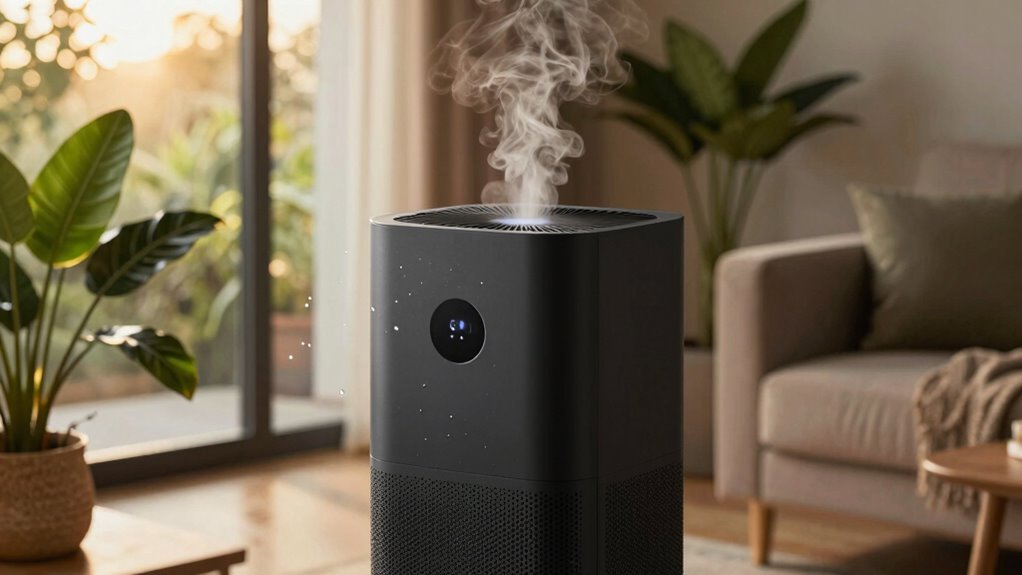

Choosing between a humidifier or an air purifier depends on your home’s specific needs. If you’re dealing with dry air, dry skin, or respiratory issues, a humidifier helps add moisture and comfort. If allergens, odors, or pollution are your concerns, an air purifier will clean the air effectively. Often, using both provides the best results for healthier indoor air. Keep exploring to find out how to pick the right device for your space.
Key Takeaways
- Choose a humidifier for dry environments to add moisture and improve respiratory comfort.
- Select an air purifier to remove allergens, pollutants, and odors from indoor air.
- Use both devices together for comprehensive indoor air quality management.
- Match device capacity to your room size for effective air treatment.
- Understand your specific health concerns to determine whether humidity or air filtration is the priority.

Homvana 3.6L Top-Fill Cool Mist Humidifiers for Bedroom, Large Room & Plants, 23dB Ultra-Quiet, Easy-to-Clean 2-in-1 Baby Humidifier & Oil Diffuser for Congestion Relief, Lasts Up to 4 Nights (Grey)
- 3-in-1 Functionality: Humidifier, aromatherapy, mood light
- Ultra-Quiet Operation: Less than 23dB noise level
- Safe and Certified: BPA-free, auto shut-off, risk-free
As an affiliate, we earn on qualifying purchases.
As an affiliate, we earn on qualifying purchases.
How Do Humidifiers and Air Purifiers Differ?
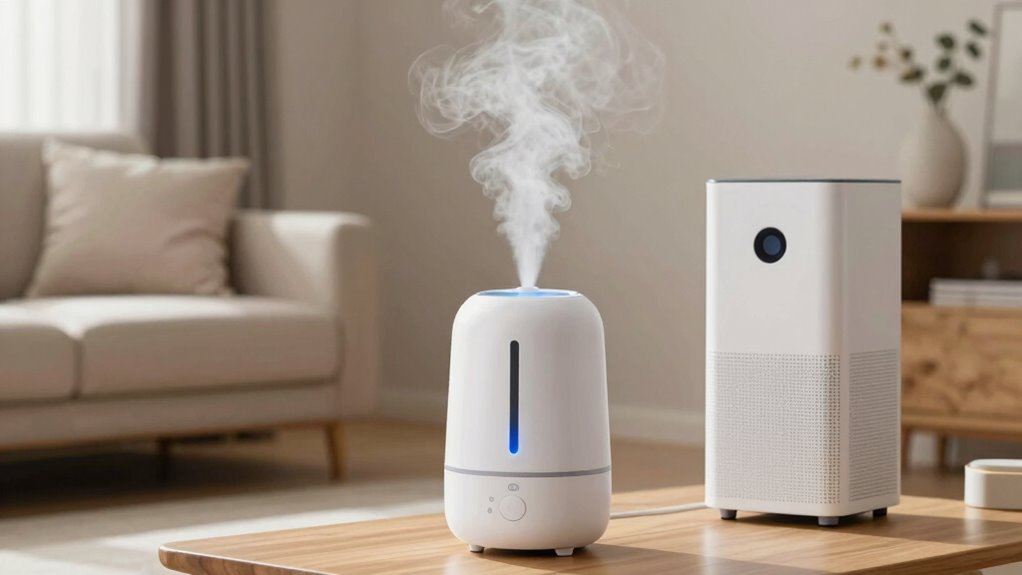
Have you ever wondered how humidifiers and air purifiers actually differ? Many people believe humidifiers only add moisture, but some hold onto humidifier myths that oversimplify their purpose. In reality, humidifier technology focuses on increasing humidity levels in dry environments, helping with skin, breathing, and comfort. Air purifiers, on the other hand, use filters and other technologies to remove airborne pollutants like dust, allergens, and germs. While both devices improve indoor air quality, they serve different roles. Humidifiers don’t filter the air; they simply add moisture. Air purifiers don’t affect humidity but actively clean the air. Understanding these differences helps you choose the right device for your needs, rather than relying on misconceptions or myths about what each device can do. Additionally, knowing the functionality of each device can prevent misconceptions about their capabilities. Recognizing the distinct roles of humidifiers and air purifiers ensures you select the most effective solution for your indoor environment. Proper knowledge about air quality improvements can further guide you in making an informed choice. Being aware of microplastics in dust and other pollutants can also influence which device might be more suitable for your specific concerns.
When Should You Use a Humidifier at Home?
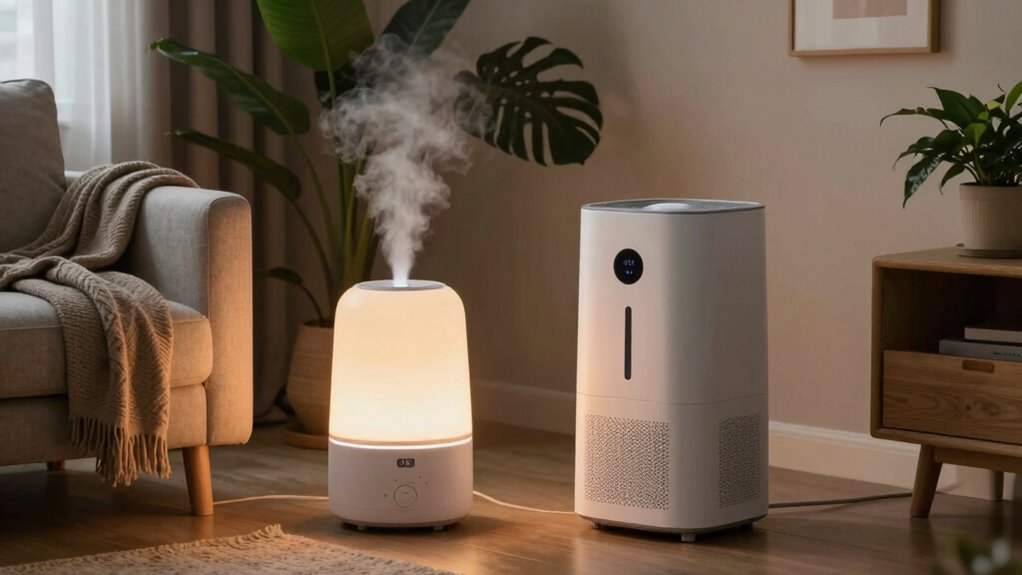
Knowing when to use a humidifier can greatly improve your indoor comfort and health. Use one when the air feels dry, especially during winter or in heated rooms. The humidifier benefits include easing dry skin, reducing static electricity, and alleviating respiratory issues. Consider these scenarios:
Use a humidifier during dry seasons to boost comfort, soothe skin, and reduce static electricity.
- You wake up with a sore throat or chapped lips.
- Your skin feels tight and itchy.
- You notice increased static shocks or cracked wood furniture.
- Incorporating landscaping elements that promote natural moisture can further enhance indoor humidity levels. Additionally, maintaining proper humidity levels with a humidifier can prevent the growth of mold and dust mites, which thrive in overly damp or dry environments. Proper humidity control can also help reduce the spread of airborne viruses, contributing to better overall health. Being aware of the ideal humidity range for your home can help you avoid excessive dryness or dampness, which both pose health risks.
While an air purifier helps remove pollutants, it doesn’t add moisture to dry air. A humidifier provides the moisture your home needs during low-humidity periods, making it a crucial tool for comfort and health when air purifier limitations become apparent.
Are Air Purifiers Better for Allergies or Pollution?
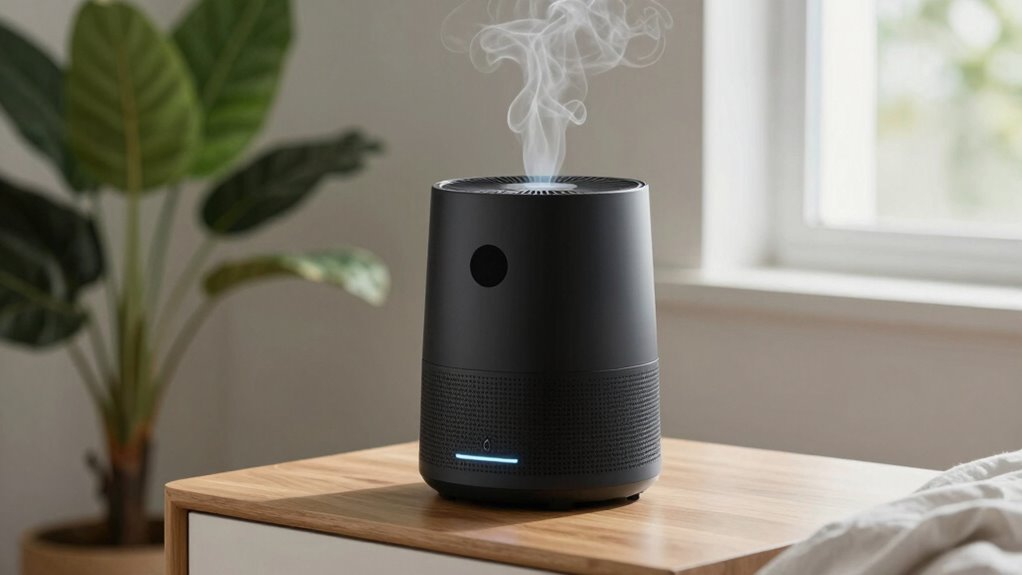
Air purifiers are often praised for their ability to reduce allergens and pollutants in your home. They excel at filtering out airborne particles that trigger allergies, but their effectiveness against pollution varies depending on the model. Considering their filtration capabilities can help you decide if they’re better suited for allergies or pollution concerns. Additionally, some models incorporate advanced filtration technology that can target specific airborne contaminants more effectively. It’s also worth noting that certain Glycolic Acid products emphasize transparency and customer support, reflecting the importance of trustworthy information when making investment decisions.
Effectiveness Against Allergies
When it comes to alleviating allergy symptoms, air purifiers often prove more effective than humidifiers because they actively remove airborne allergens like pollen, pet dander, and dust mites. Many air quality myths suggest humidifiers can reduce allergy triggers, but they mainly add moisture, which can sometimes promote mold growth. Air purifiers, on the other hand, filter out particles at the source. Imagine breathing in:
- Clean, pollen-free air that minimizes allergy flare-ups
- Pet dander trapped before it settles on surfaces
- Dust mites eliminated from the air you breathe
This targeted removal makes air purifiers a better choice for allergy sufferers. They address allergy triggers directly, unlike humidifiers, which may inadvertently worsen symptoms if not maintained properly.
Pollution Filtration Capabilities
While humidifiers mainly add moisture to the air, air purifiers are specifically designed to filter out pollutants like smog, vehicle exhaust, and industrial emissions. They considerably improve air quality by removing harmful particles, ensuring cleaner indoor environments. If you’re concerned about pollution, air purifiers excel at pollutant removal, making them better suited for reducing airborne toxins than humidifiers. Here’s a quick comparison:
| Feature | Humidifier | Air Purifier |
|---|---|---|
| Main Function | Add moisture to the air | Filter out pollutants |
| Best for | Dry air, allergies | Pollution, airborne toxins |
| Key Benefit | Prevent dry skin, congestion | Improve air quality, health |
In short, for pollution concerns, air purifiers offer superior pollutant removal for better air quality. Additionally, technology differences like DLP versus LCD can influence the effectiveness of air filtration systems. Understanding air filtration technology can help you choose the most effective device for your environment.
What Factors Should You Consider When Choosing an Indoor Air Quality Device?
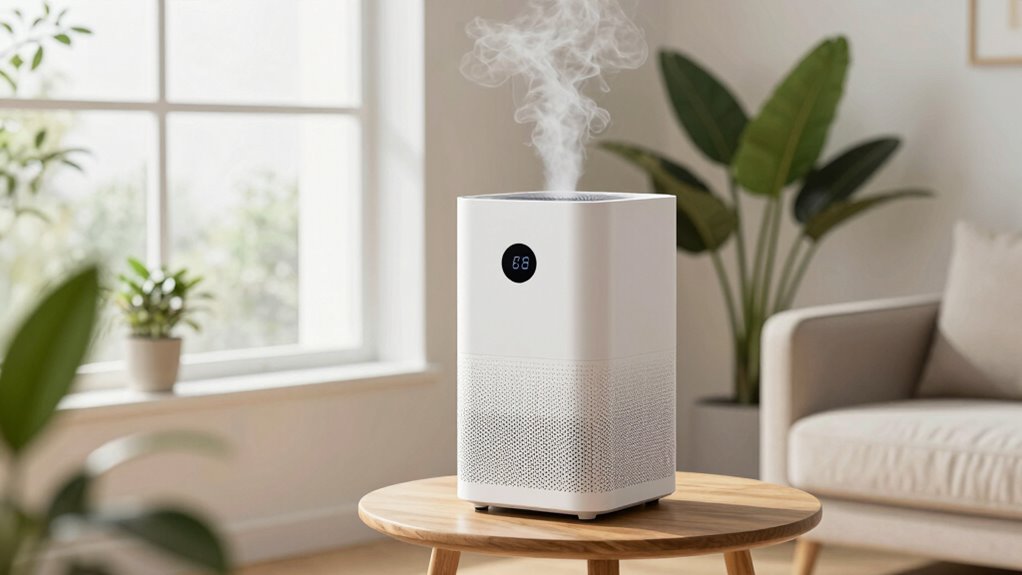
When choosing an indoor air quality device, you should consider if it fits your room size to guarantee effective coverage. Think about your specific concerns, like allergies or pollution, to pick the right features. Don’t forget to check the maintenance needs so you can keep the device running smoothly. Additionally, understanding the digital content formats available can help you select a device that integrates well with your existing technology. Considering the air purification or humidification capabilities can ensure the device addresses your particular indoor air issues effectively. Monitoring air quality data can also assist in evaluating the device’s performance over time. Being aware of nutritional insights from apple juice, such as antioxidant and vitamin C content, can also help you understand how certain air quality devices might support overall wellness indirectly through healthier indoor environments. Proper filter maintenance is essential to sustain the device’s efficiency and prolong its lifespan.
Room Size Compatibility
Choosing the right indoor air quality device depends heavily on the size of the room you want to treat. Large spaces require more powerful equipment, while smaller rooms need compact options. When evaluating devices, envision this:
- A small bedroom, where a compact purifier quietly cleans the air without overwhelming the space.
- A medium living room, demanding a device with sufficient coverage to handle everyday air quality.
- A large open-plan area, needing a high-capacity purifier or humidifier to effectively improve air quality.
Many air quality myths suggest bigger devices always mean better results, but device technology varies based on room size. Properly matching the device to your space ensures ideal performance and avoids unnecessary costs.
Specific Air Concerns
What specific air quality concerns are most relevant to your indoor environment? If you’re worried about allergens, dust, or pet dander, an air purifier with advanced device technology can help. Conversely, if you’re concerned about dry air affecting your skin or respiratory health, a humidifier might be the better choice. Keep in mind that many air quality myths can lead you astray; for example, believing that all purifiers eliminate viruses or that humidifiers always cause mold. Understanding the actual capabilities of each device helps you make an informed decision. Consider your primary concerns—whether filtering out pollutants or balancing humidity—and choose a device designed to target those issues directly. Knowing your specific air concerns guarantees you select the right equipment for a healthier indoor environment.
Maintenance Requirements
Considering the ongoing maintenance requirements of an air quality device is essential to guarantee it functions effectively over time. Regular upkeep ensures your device remains durable and continues to improve air quality. Think about these three key factors:
- Filter Replacement: Visualize changing filters as a quick refresh, maintaining efficiency and clean air.
- Cleaning Cycles: Imagine wiping down surfaces to prevent mold and dust buildup, supporting longevity.
- Component Checks: Picture inspecting parts like fans or humidifiers to catch wear early, avoiding costly repairs.
Choosing a device with straightforward maintenance can save you time and money, while ensuring consistent air quality. Prioritize models with clear instructions and easy access to replaceable parts to keep your indoor environment healthy and your device durable.
How Can You Determine Your Home’s Indoor Air Needs?
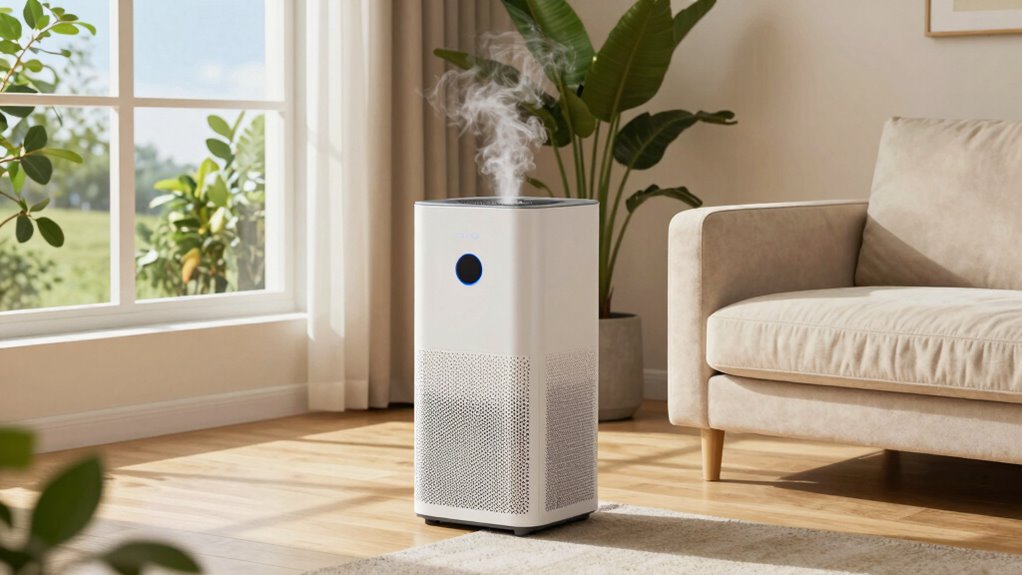
How can you accurately assess your home’s indoor air quality and determine what your space truly needs? Start by observing symptoms like allergies, odors, or dry skin. Use an indoor air quality monitor to measure levels of VOCs and humidity. Indoor plants can naturally improve air quality and aid in VOC reduction. Consider your environment: if you notice lingering smells or chemical fumes, an air purifier may be beneficial. If you experience dryness or respiratory discomfort, a humidifier might help. The table below highlights common air quality indicators and solutions: Additionally, understanding air quality indicators can help you make informed decisions about your home’s ventilation and filtration needs. Recognizing indoor air quality factors can further assist in choosing the right device for your space, especially when considering air filtration options tailored to your specific concerns. Regularly checking air quality levels can ensure your home’s environment remains healthy and comfortable.
Avoid These Common Mistakes When Buying Humidifiers or Air Purifiers
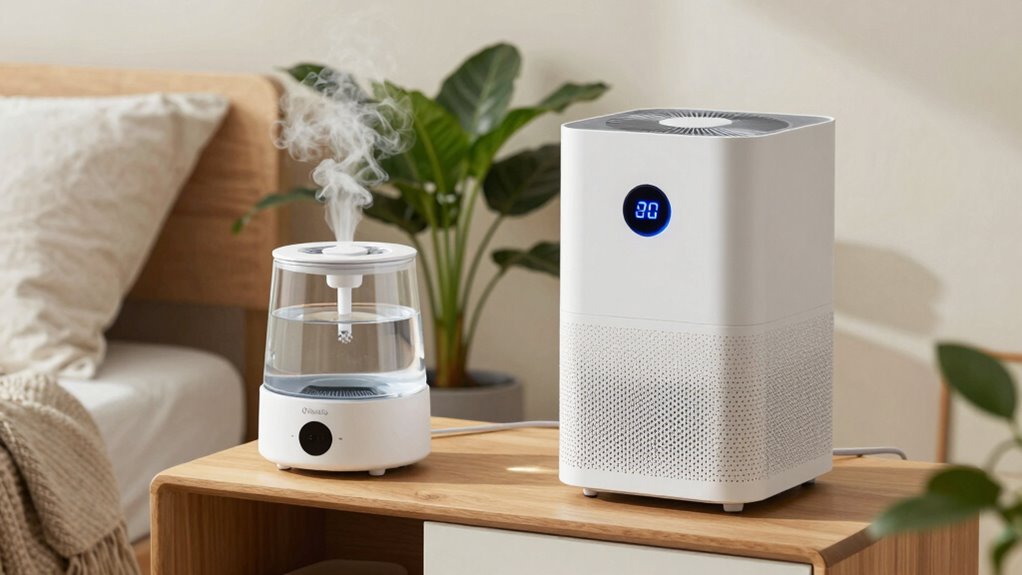
When shopping for a humidifier or air purifier, it’s easy to make costly mistakes that can undermine your indoor air quality goals. First, ignore the available color options—choosing a device that blends with your decor can boost consistent use. Second, overlook brand reputation; reputable brands often ensure better quality and customer support. Third, don’t rush the decision—imagine a sleek, quiet device sitting unobtrusively in your living room, or a model with intuitive controls that make operation simple. Additionally, consider the electric fireplace safety during renovations, as improper setup can affect overall indoor air quality and safety. Proper cabling solutions can also prevent potential hazards and ensure your devices function optimally. Avoid the trap of selecting based solely on price or looks. Instead, prioritize trusted brands and aesthetic options that suit your space. This approach helps you make a smarter, more satisfying investment in your home’s air quality.
Benefits of Using Both a Humidifier and an Air Purifier Together
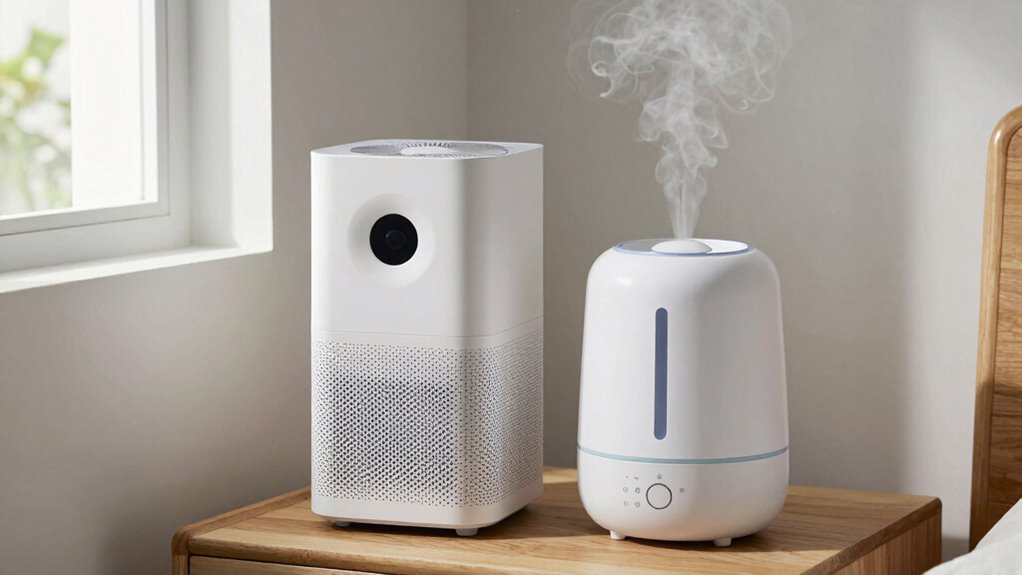
Using both a humidifier and an air purifier together creates an all-encompassing approach to improving indoor air quality. This combo addresses common air quality myths, such as the idea that a single device can handle all air concerns. The humidifier benefits include maintaining ideal moisture levels, which can reduce respiratory irritation and prevent dry skin. Meanwhile, the air purifier clears out airborne allergens, dust, and pollutants, creating a cleaner environment. Together, they promote healthier breathing, especially in dry or polluted spaces. By combining these devices, you’re not just tackling one aspect of air quality—you’re creating a comprehensive solution that supports your overall well-being. This synergy offers a more effective, long-lasting way to breathe easier at home.
Cost, Maintenance, and Long-Term Value: What Matters Most?
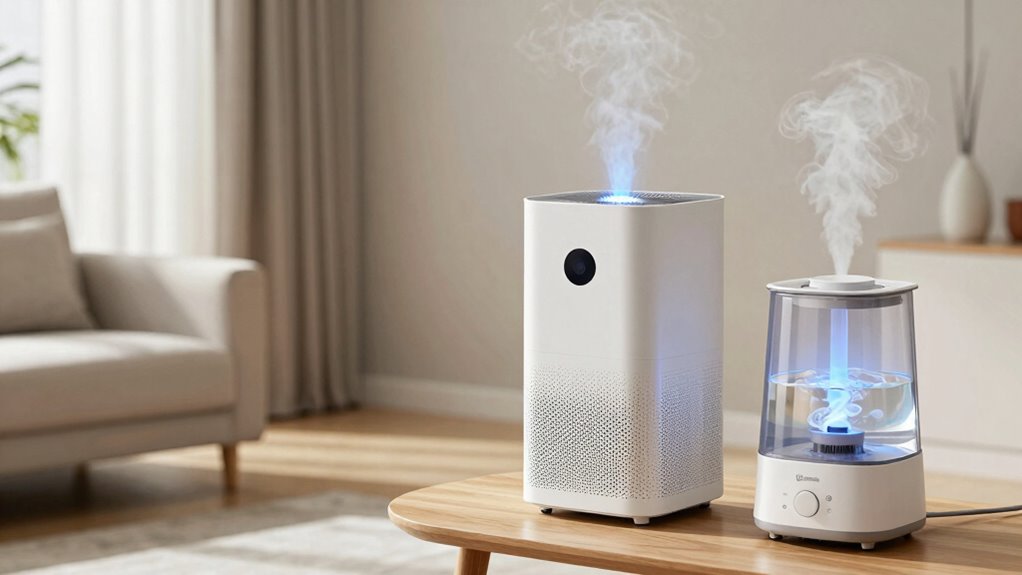
Investing in a humidifier and air purifier requires careful consideration of their costs and ongoing maintenance, as these factors considerably impact their long-term value. A clear cost comparison helps you identify which device fits your budget and needs. Think about:
- Initial purchase price—humidifiers often cost less upfront than high-end air purifiers.
- Replacement filters and parts—air purifiers typically need frequent filter changes, adding to ongoing expenses.
- Energy consumption—humidifiers generally use less power, saving you money over time.
Tips for Getting the Most Out of Your Indoor Air Devices
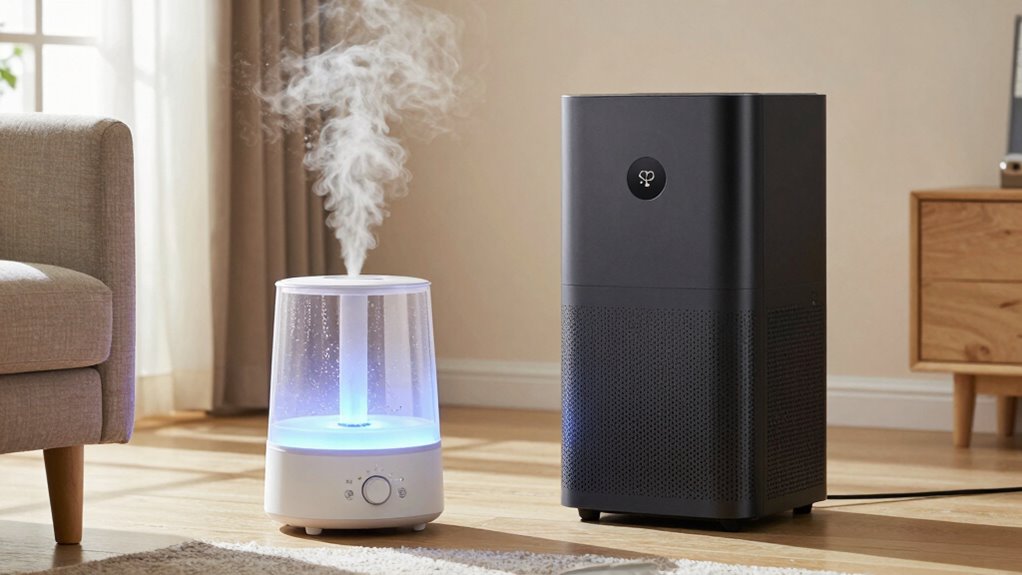
To get the best results from your indoor air devices, start by placing them in the right spots—away from walls and in areas with good airflow. Keep up with regular maintenance, like cleaning filters and emptying water tanks, to guarantee they work efficiently. Finally, use the ideal settings for your space to maximize their benefits without wasting energy.
Proper Device Placement
Proper device placement is essential for maximizing the benefits of your humidifier or air purifier. Position your device where it can improve air quality without obstruction. Imagine placing it:
- Near your indoor plant, to help maintain humidity and support healthier growth.
- Away from walls and furniture, ensuring unobstructed airflow for better circulation.
- In central locations, like the living room, where the device can evenly distribute clean or humidified air throughout the space.
Avoid corners or tight spots, which can trap pollutants or moisture. Proper placement helps the device work efficiently, enhancing overall air quality. Keep in mind, the right spot guarantees your indoor environment stays comfortable and healthy, making your air purifier or humidifier even more effective.
Regular Maintenance Routines
Regular maintenance is key to keeping your humidifier or air purifier working effectively over time. Consistently cleaning and replacing filters guarantees ideal air filtration, helping to remove dust, allergens, and pollutants. For humidifiers, regularly descaling to prevent mineral buildup maintains proper humidity control and prevents bacteria growth. Check water levels daily and use clean, distilled water when possible. For air purifiers, inspect filters monthly and replace them as recommended by the manufacturer. Keeping devices free of dust and debris maximizes their efficiency and prolongs their lifespan. Don’t forget to wipe down exterior surfaces to prevent dust accumulation. Proper maintenance not only improves air quality but also assures your devices operate quietly and efficiently, providing cleaner, healthier indoor air.
Optimal Usage Settings
Adjusting your device settings correctly can make a significant difference in air quality and energy efficiency. First, set your humidifier to maintain indoor humidity between 40-60%, avoiding common air quality myths that higher levels always mean better air. Second, optimize your air purifier’s fan speed—start low for quiet operation and increase during high pollution days or when allergies strike. Third, leverage device technology by scheduling operation times to match your daily routine, ensuring continuous air freshness without wasting energy. Proper settings prevent over-humidifying or over-filtering, which can harm your air quality. Remember, understanding your device’s features and avoiding misconceptions about air quality helps you get the most out of your investment, creating a healthier, more comfortable home environment.
Final Thoughts: How to Pick the Best Air Quality Solution for Your Lifestyle
Choosing the right air quality solution ultimately depends on your unique needs and lifestyle. To make an informed decision, it’s important to recognize and debunk common air quality myths, which can lead to unnecessary expenses or ineffective choices. Consider your environment—do you need to reduce allergens, pollutants, or humidity levels? Your lifestyle may require specific adjustments, like portable devices for small spaces or whole-home systems. Think about maintenance, noise, and energy use, too. Remember, no single solution fits everyone. By understanding your environment and dispelling myths, you can select an air purifier or humidifier that truly enhances your air quality. The key is aligning your choice with your daily routine and health priorities for a healthier, more comfortable space.
Frequently Asked Questions
Can a Humidifier Also Improve Air Quality?
Yes, a humidifier can improve air quality by adding moisture, which helps reduce dust, allergens, and static electricity, enhancing comfort. However, it doesn’t filter out airborne pollutants like an air purifier does, so it has limitations. The humidifier benefits include alleviating dry skin and respiratory issues, but for thorough air cleaning, you might still need an air purifier. Combining both can create healthier indoor air environments.
Are There Health Risks Associated With Using Air Purifiers?
Yes, there are health risks with air purifiers, especially if you have allergies or if the device isn’t maintained properly. Air purifiers can trap allergens, but if filters aren’t changed regularly, they can harbor bacteria, potentially worsening allergies. Also, some air purifiers may circulate dust or mold spores. To stay safe, clean your device often and choose one with HEPA filters to reduce allergy symptoms and prevent humidifier bacteria buildup.
How Loud Are Typical Humidifiers and Air Purifiers?
Humidifiers and air purifiers can be surprisingly loud, rivaling a jet engine or a rock concert at full volume. Most devices have noise levels that range from whisper-quiet to a loud hum, with some newer models designed for near silence. Typically, you’ll find their device noise is manageable—perfect for sleeping or relaxing—but always check the decibel ratings if noise level matters to you.
Do Smart Features Enhance Device Effectiveness?
Smart features do enhance device effectiveness by offering smart integration, allowing you to control and monitor your humidifier or air purifier remotely. These features help optimize performance, ensuring you use energy efficiently and maintain ideal air quality. With automation and real-time adjustments, you save energy and improve comfort. Overall, smart technology makes managing your device easier, more efficient, and tailored to your specific needs.
Can These Devices Help Reduce Indoor Odors?
You might be surprised, but these devices can indeed help reduce indoor odors. They target odor elimination by trapping or neutralizing smells, and some models even feature fragrance diffusion to leave a pleasant scent. When you use them regularly, you’ll notice fresher air and less lingering odors. Keep in mind, choosing one with advanced filtration or scent options can enhance these benefits, making your space more comfortable and inviting.
Conclusion
Choosing between a humidifier and an air purifier depends on your home’s unique needs. For instance, if you struggle with dry skin and sinus issues, a humidifier could be your best bet. Conversely, if allergies or pollution are concerns, an air purifier might serve you better. Sometimes, using both can create an ideal indoor environment—much like a family in a high-pollution city improved their air quality by combining the two. Assess your needs carefully to make the right choice for your lifestyle.