

If you’re experiencing postpartum depression, it can affect your mental health and make it harder to bond with your baby. This can lead to difficulties in responding to your baby’s needs and forming a secure attachment. Such challenges may impact your child’s emotional development long-term. Seeking support, therapy, or joining groups can help you heal and strengthen your connection. Understanding these effects is the first step; discover ways to foster a healthier bond.
Key Takeaways
- Postpartum depression can impair a parent’s ability to bond, affecting the baby’s emotional development and sense of security.
- Maternal depression may lead to reduced eye contact, responsiveness, and nurturing behaviors toward the baby.
- Untreated postpartum depression increases the risk of attachment issues and emotional difficulties in children.
- Support and mental health treatment help mothers recover, promoting healthier interactions and stronger mother-baby bonds.
- Addressing parental mental health early benefits both the parent’s well-being and the child’s long-term emotional growth.

Postpartum depression is a serious mental health condition that affects new mothers, often emerging within the first few weeks after childbirth. If you’re experiencing persistent feelings of sadness, anxiety, or exhaustion, it’s essential to recognize that these symptoms are not a sign of weakness. They can interfere with your ability to bond with your baby and enjoy this special time. One of the most affected areas is mother-baby bonding, which is indispensable for your child’s emotional development. When you’re overwhelmed by depression, it can be difficult to connect with your baby, make eye contact, or respond to their needs. This lack of connection can have lasting effects on your child’s sense of security and attachment. Fortunately, there are ways to support yourself and foster a stronger bond during this challenging time.
Postpartum depression can hinder mother-baby bonding, but support and self-care can help rebuild your connection.
Joining postpartum support groups can be a game-changer. These groups provide a safe space where you can share your feelings without judgment and realize you’re not alone in your struggles. Talking openly with other new mothers who understand what you’re going through can lessen feelings of isolation and shame. Support groups often include mental health professionals who can offer guidance, coping strategies, and resources to help you manage postpartum depression effectively. Engaging in these communities helps you feel supported, understood, and empowered to seek the help you need.
Taking steps to prioritize your mental health can also improve mother-baby bonding. Don’t hesitate to reach out to healthcare providers who can recommend therapy or medication if necessary. Early intervention is key to reducing symptoms of postpartum depression and restoring your ability to enjoy your baby’s early moments. Practicing self-care, even in small ways, can make a big difference. Rest whenever possible, eat nourishing foods, and take time to relax. Remember, caring for yourself isn’t selfish—it’s essential for your well-being and for nurturing your relationship with your baby.
Additionally, understanding the importance of mother-baby bonding and how it influences your child’s long-term emotional health underscores the need to seek support and treatment. Remember that overcoming postpartum depression involves patience, support, and understanding. The more you invest in your mental health, the better you’ll be able to connect with your baby and build a strong, loving bond. Whether through seeking professional help, joining postpartum support groups, or simply giving yourself grace, taking action is the first step toward healing. Your journey is unique, but with the right resources and support, you can navigate this difficult period and foster a healthy, loving environment for both you and your baby.
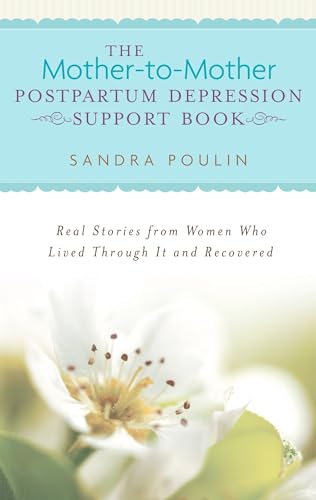
The Mother-to-Mother Postpartum Depression Support Book: Real Stories from Women Who Lived Through It and Recovered
As an affiliate, we earn on qualifying purchases.
As an affiliate, we earn on qualifying purchases.
Conclusion
Remember, your mental health isn’t just about you; it’s the foundation for your baby’s well-being. When you nurture your mind, you’re planting seeds for a healthier, happier future—for both of you. Think of your emotional state as the compass guiding your baby’s growth. By seeking help and taking care of yourself, you’re not just surviving—you’re shaping a brighter tomorrow. Your strength and care can turn the tide, illuminating the path for your little one’s happiest days.