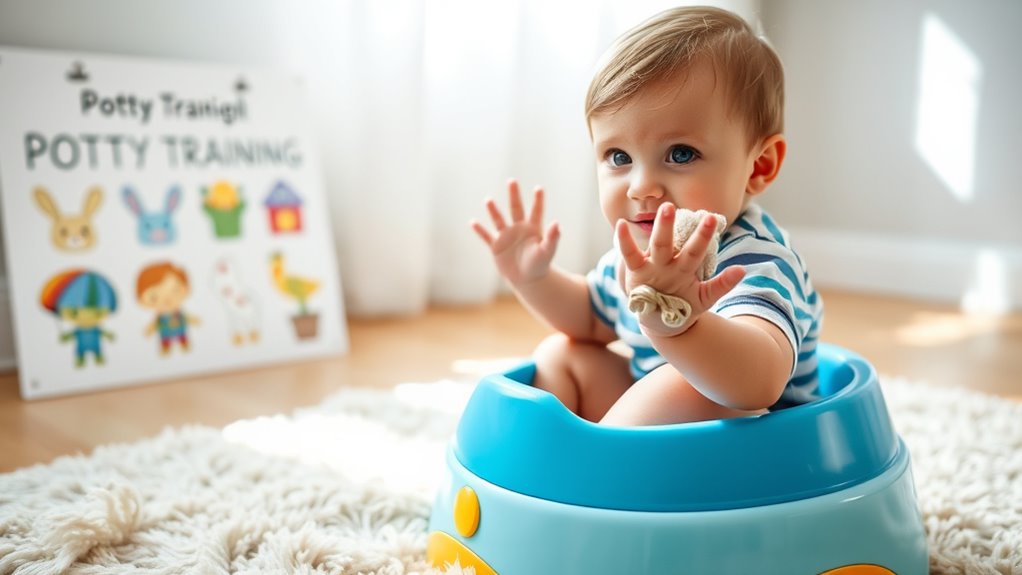

To determine if your toddler is ready for potty training, look for signs like showing independence with diaper changes and feeling comfortable sitting on the potty. Watch for curiosity about the bathroom, imitating family routines, and responding to bodily signals. Their physical and emotional readiness is key. If you notice these cues, your child may be prepared to start. Keep reading to discover more indicators that can help you time it just right.
Listen free for 30 days with Audible
Thousands of audiobooks and originals — cancel anytime.
As an affiliate, we earn on qualifying purchases.
Key Takeaways
- Look for signs of diaper independence, like pulling or removing diapers voluntarily.
- Ensure your toddler shows curiosity about the potty and tries to imitate bathroom routines.
- Confirm they can sit comfortably on the potty for a few minutes and handle bodily sensations.
- Observe if they demonstrate understanding of bodily signals and respond appropriately.
- Consider their overall developmental readiness, including motor skills and emotional comfort with toileting.
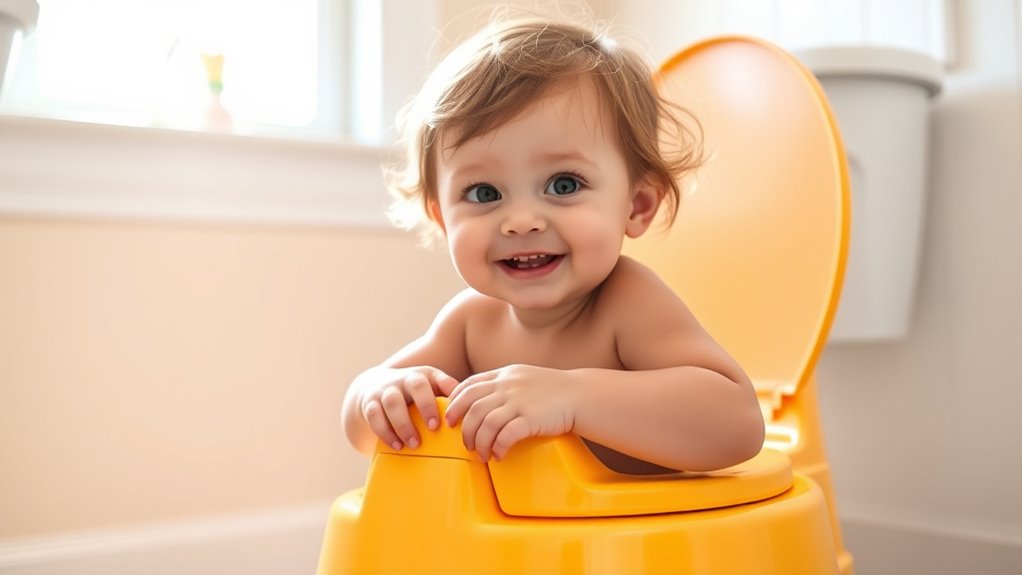
Wondering if your child is ready to start potty training? It’s a common question, and the answer depends on observing their cues more than their age alone. One of the key signs to look for is diaper independence. When your little one begins to show they want to manage their diaper changes, such as tugging at their diaper or trying to remove it, it indicates they’re becoming more aware of their bodily functions. This desire for independence suggests they’re ready to learn how to use the potty instead of relying solely on diapers. Keep in mind, though, that diaper independence isn’t just about wanting to change themselves; it also reflects their growing understanding of their body and its signals.
Another essential factor is sensory readiness. Every child develops at their own pace, but generally, they need to be able to tolerate the sensation of needing to go and sit comfortably on the potty. Sensory readiness involves your child’s ability to sit still for a few minutes, notice the feeling of a full bladder or bowel, and respond appropriately. If they seem uncomfortable or distracted when they’re wet or soiled, they might not be ready yet. Conversely, if they show curiosity about the potty or imitate family members using the bathroom, it’s a good sign they’re beginning to understand and accept the new routine. Sensory readiness also means they can handle the physical sensations involved, like sitting down and getting up without fuss. Recognizing developmental readiness signs can help you determine the best time to start potty training.
potty training seat for toddlers
As an affiliate, we earn on qualifying purchases.
As an affiliate, we earn on qualifying purchases.
Conclusion
Remember, there’s no one-size-fits-all answer to when to start potty training. Trust your child’s cues and be patient—timing is everything. As the saying goes, “Rome wasn’t built in a day,” so celebrate small victories and stay positive. When your little one shows signs of readiness, you’ll both feel proud. Keep encouraging and remember, with patience and practice, potty training will become just another step in their exciting journey toward independence.
NFL season / tailgating Picks
team gear
As an affiliate, we earn on qualifying purchases.