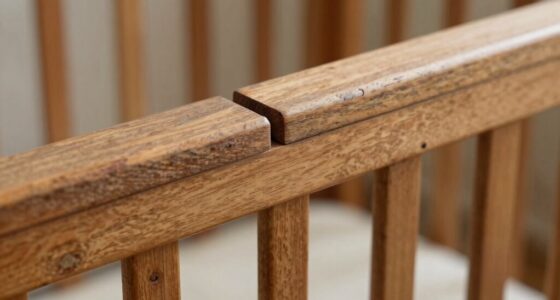

To reduce your baby’s risk of SIDS, always place them on their back to sleep in a safe, flat, and firm sleep surface. Keep the sleep area free of pillows, soft bedding, and toys, and use a fitted sheet. Maintain a comfortable room temperature and dress your baby appropriately, opting for sleep sacks instead of loose blankets. Avoid bed-sharing and keep the environment smoke-free. Staying informed about safe sleep practices can help protect your little one’s health and safety.

Get baby and family essentials delivered free — and shop member deals
- Fast, free delivery on millions of items
- Access to Prime Big Deal Days deals on October 6–7
- Prime Video, Amazon Music and more included
Key Takeaways
- Always place the baby on their back to sleep, never on the stomach or side.
- Use a firm, well-fitting mattress with a fitted sheet in a clutter-free crib.
- Keep the sleep environment smoke-free and maintain a comfortable room temperature.
- Avoid soft bedding, pillows, stuffed animals, and bumper pads in the crib.
- Ensure the baby is dressed appropriately and uses sleep sacks instead of loose blankets.

Are you aware of the essential steps to guarantee your baby sleeps safely? Ensuring your little one’s safety during sleep isn’t just about comfort; it’s about reducing the risk of sudden infant death syndrome (SIDS) and creating a secure environment for their growth. One of the most important aspects is maintaining proper crib safety. You should always choose a sturdy, well-constructed crib that meets current safety standards. The mattress should fit snugly within the crib frame, leaving no gaps where your baby could get trapped or stuck. Avoid using pillows, soft bedding, stuffed animals, or bumper pads inside the crib, as these items can pose suffocation hazards. Keeping the crib free of clutter minimizes risks and creates a safe sleep zone.
When it comes to sleep positioning, your role is vital. Always place your baby on their back to sleep, as this position has been proven to considerably lower the risk of SIDS. Even if your baby rolls over during sleep, it’s best to start them on their back. This position helps keep their airways open and reduces the chance of rebreathing their own exhaled air, which can happen if they sleep face-down on soft bedding. As your baby grows and begins to roll over naturally, you don’t have to reposition them—they’ll usually find their own safe sleep position. However, you should continue to follow safe sleep practices, such as avoiding sleep on soft surfaces or couches, which can increase risks. Creating a safe sleep environment**** is essential for reducing hazards and promoting healthy sleep habits.
Another key point is to pay attention to your baby’s sleep environment. Keep the room at a comfortable temperature—not too hot or cold—and dress your baby appropriately to prevent overheating. Use a fitted sheet on the mattress, and consider using a sleep sack instead of a blanket, since loose blankets can cover their face and interfere with breathing. Maintaining a smoke-free environment is also essential; exposure to cigarette smoke increases the risk of SIDS. Always place your baby on a firm sleep surface and avoid bed-sharing, especially in unsafe circumstances, to reduce the chances of accidental suffocation or entrapment.
As an affiliate, we earn on qualifying purchases.
Conclusion
By following these safe sleep guidelines, you absolutely lower your baby’s risk of SIDS and create a secure environment for their growth. Remember, your vigilance makes all the difference in protecting your little one. Are you willing to take these simple yet crucial steps to ensure your baby’s safety every night? Embracing these practices not only promotes peace of mind but also fosters a healthier, safer start in life.
Halloween Picks
halloween
As an affiliate, we earn on qualifying purchases.